LightBlog

vendredi 1 juillet 2022

OxygenOS 12 Open Beta 1 brings Android 12 to OnePlus 7 and 7T series

We’re quickly approaching Android 13‘s official launch, but some phones are still in line for last year’s software. OnePlus, for example, has focused on updating its more recent devices to Android 12, but it’s finally turned its attention to its 2019 flagships. After a brief closed beta testing period, the company has finally announced the release of the first Open Beta build of OxygenOS 12 for the OnePlus 7 and 7T lineup.

As you might expect, this is a beefy update for OnePlus 7/7 Pro and 7T/7T Pro owners. Not only does OxygenOS 12 sport an all-new look, but the first public beta brings along an enhanced Canvas AOD feature, three adjustable levels in the dark mode, an inbox frame rate stabilizer, and much more. Along with those OnePlus-specific tweaks, this software includes all of Android 12’s various enhancements under the hood.

You can check out the complete list of changes below:

  • System
    • Newly added Smart Battery Engine, a feature that prolongs your battery life based on smart algorithms and biomimetic self-restoration technology
    • Redesigns app icons using new materials to give more depth and a greater sense of space and texture to the icons
    • Revamps the page layout based on the principle of reducing visual noise and optimizes the presentation of text and color to make key information stand out
    • Optimized desktop icons with improved textures, by using a design inspired by brand-new materials and uniting lights and layers
    • Optimized spam block rules: Adds a rule for blocking MMS messages
  • Games
    • Newly added the HyperBoost end-to-end frame rate stabilizer
    • Newly added Voice effect preview to allow you to record your voice effect or check your voice effect in real time
  • Dark mode
    • Dark mode now supports three adjustable levels, bringing a more personalized and comfortable user experience
  • Shelf
    • New additional style options for Cards, making data contents more visual and easier to read
    • Newly added access to OnePlus Scout in Shelf, allowing you to search multiple contents on your phone, including Apps, Settings, Media Data, etc
  • Work Life Balance
    • Work Life Balance feature is now available to all users, allowing you to effortlessly switch between Work and Life mode via quick settings
    • WLB 2.0 now supports automatic Work/Life mode switching, based on specific locations, Wi-Fi network, and time, also bringing customized App notification profiles according to the personalization
  • Gallery
    • Gallery now allows you to switch between different layouts with a two-finger pinch gesture, intelligently recognizing the best-quality pictures, and cropping the thumbnail based on the content, making the gallery layout more pleasing
  • Canvas AOD
    • Canvas AOD brings you new diverse styles of lines and colors, for a more personalized lock screen experience with inspiring visuals
    • Newly added multiple brushes and strokes and support for color adjustment
    • Optimized software algorithm and improved face recognition to better identify the features and skin color of different figures
  • Accessibility
    • Optimized categorization of functions by grouping them into vision, hearing, interactive actions, and general
    • TalkBack supports more system apps including Photos, Phone, Mail, and Calendar

Additionally, the release ships with the June 2022 Android security patches. The underlying build number is H.20 for the OnePlus 7 series, while the OnePlus 7T family gets F.12 as their initial Open Beta. The OxygenOS base is 12.1 for both.

According to OnePlus, this is an early build, released in order to gather feedback before rolling out to the stable channel. As such, expect the beta software to be less stable than normal builds, and so you probably shouldn’t install it on your daily driver. Nonetheless, make sure you backup your stuff before you proceed.

XDA Forums: OnePlus 7 || OnePlus 7 Pro || OnePlus 7T || OnePlus 7T Pro


Download: OxygenOS 12 Open Beta 1 based on Android 12 for the OnePlus 7 and 7T series

For the OnePlus 7 and 7T family of devices, the first OxygenOS 12 Open Beta release is available only for the Indian variants. The installation package for each phone is nearly 4GB in size, so keep that in mind if you’re on a limited data plan. OnePlus also recommends you have at least 30% battery available on your device before attempting the flash.

Although your personal data shouldn’t be affected on upgrading to the Open Beta build, reverting to the stable channel will lead to a wipe, so always take a complete backup beforehand.

OnePlus 7

OnePlus 7 Pro

OnePlus 7T

OnePlus 7T Pro


Source: OnePlus Community Forums (12)

The post OxygenOS 12 Open Beta 1 brings Android 12 to OnePlus 7 and 7T series appeared first on XDA.


from XDA https://ift.tt/xHDJOYA
via IFTTT

jeudi 30 juin 2022

Samsung Gaming Hub is now live

During CES 2022, Samsung announced its Gaming Hub platform, introducing the world to its new gaming strategy going forward for its Smart TVs and monitors. Today, Samsung’s platform goes live, debuting on its Smart TVs for 2022 and its Smart Monitor Series.

No downloads required

Samsung Gaming Hub will bring game streaming content without the need for extra hardware add-ons. The firm has partnered with some of the biggest in the gaming industry like Xbox, Nvidia, Google, and more. That means users will have access to hundreds of games at the touch of a button.

As mentioned previously, in order to take advantage of Gaming Hub, you’ll need to have one of Samsung’s latest TVs or its Smart Monitor Series. The company states:

Players will be able to easily browse and discover games from the widest selection available, regardless of platform.

Despite not being powered by any additional hardware, Samsung Gaming Hub is fully fleshed out thanks to Tizen OS and its optimizations. The combination of software and hardware offers “advanced motion enhancements and latency reducing technology”.

Furthermore, the new TV models also “introduce faster decoding and optimized buffer control technology”, reducing the input lag of the previous model by an average of 30 percent. Samsung also utilizes AI upscaling technology in order to bring the best possible experience when it comes to 4K and 8K content.

In addition to being able to access a wide range of gaming services, the service will also offer support for accessories like Bluetooth controllers and wireless headsets. These devices will seamlessly connect to each supported service within Gaming Hub, without the need to be individually paired to service.

Samsung Gaming Hub is now available with instant access to Xbox, Nvidia GeForce Now, Google Stadia, Utomik, Twitch, YouTube, and Spotify. Support for Amazon Luna will arrive at a later date.

Source: Samsung

The post Samsung Gaming Hub is now live appeared first on XDA.


from XDA https://ift.tt/Oc8BEqD
via IFTTT

Samsung Galaxy S22 vs OnePlus 9RT: Samsung’s flagship takes on OnePlus’s affordable flagship

Buying a flagship smartphone in 2022 shouldn’t cost you a fortune. There are plenty of options to explore that offer a top-notch flagship smartphone experience while being reasonably priced. Take, for example, the OnePlus 9RT, which can be had for ~$699 and has all the bells and whistles you expect from a modern-day flagship, including a gorgeous display, capable main cameras, and flagship processor. But how does it compare to a seasoned flagship phone like the Galaxy S22? There’s only one way to find out.

Samsung Galaxy S22 Vs OnePlus 9RT: Specifications

Specification Google Pixel 6 Pro OnePlus 9RT
Build
  • Aluminum mid-frame
  • Gorilla Glass Victus back
  • Gorilla Glass Victus front
  • Glass back
  • Metallic frame
Dimensions & Weight
  • 146 x 70.6 x 7.6 mm
  • 168 gram
  • 163.2 x 73.2 x 8.7mm
  • 197g
Display
  • 6.1-inch AMOLED 2X Display
  • 2340 x 1080, 425 ppi
  • HDR10+ certified
  • 120Hz refresh rate
  • Always On Display
  • 6.62-inch FHD+ Samsung E4 AMOLED
  • 120Hz refresh rate
  • 600Hz touch sampling rate
  • 1300nits peak brightness
  • 1000000:1 contrast ratio
  • 100% DCI-P3 coverage
  • HDR10+
SoC
  • Qualcomm Snapdragon 8 Gen 1 (the US, China, India, and other regions)
  • Exynos 2200 (Europe, South America, and other regions)
  • Qualcomm Snapdragon 888
    • 1x Kryo 680 (ARM Cortex X1-based) Prime core @ 2.84GHz
    • 3x Kryo 680 (ARM Cortex A78-based) Performance cores @ 2.4GHz
    • 4x Kryo 680 (ARM Cortex A55-based) Efficiency cores @ 1.8GHz
  • Adreno 660 GPU
RAM & Storage
  • 8GB RAM
  • 128GB/256GB UFS 3.1 storage
  • 8GB/12GB LPDDR5 RAM
  • 128GB/256GB UFS 3.1 storage
Battery & Charging
  • 3,700mAh
  • 25W Wired fast charging (charger not included in box)
  • 15W wireless charging
  • 4,500mAh
  • 65W fast charging support
Security Ultrasonic in-display fingerprint scanner In-display fingerprint scanner
Rear Camera(s)
  • Primary: 50MP wide, f/1.8
  • Secondary: 12MP ultra-wide, f.2.2
  • Tertiary: 10MP telephoto, 3x optical
  • Primary: 50MP Sony IMX 766, f/1.8, OIS
  • Ultra-wide: 16MP, f/2.2
  • Macro: 2MP, f/2.4
Front Camera(s) 10MP 16MP, f/2.4
Port(s)
  • USB Type-C
  • No headphone jack
  • No microSD card slot
  • USB Type-C port
  • No headphone jack
  • No microSD card slot
Audio
  • Stereo speakers
  • Stereo speakers
Connectivity
  • 5G: Non-Standalone (NSA), Standalone (SA), Sub6 / mmWave
  • LTE: Enhanced 4×4 MIMO, Up to 7CA, LTE Cat.20
  • Wi-Fi 802.11 a/b/g/n/ac/ax (2.4/5/6GHz)
  • Bluetooth v5.2
  • 5G
  • LTE
  • Wi-Fi 6
  • Bluetooth 5.1
Software
  • Android 12 with One UI 4.1
  • Four major Android OS updates promised
  • Five years of security patches
Other Features
  • IP68 water and dust protection
  • Dual SIM
  • Vapor cooling chamber
  • Alert slider

Design & Display

Both the Galaxy S22 and the OnePlus 9RT are great-looking phones. The Galaxy S22 is on the smaller side, measuring 146 x 70.6 x 7.6 mm and weighing just 168g. It features a minimalistic design with rounded corners and a flat aluminum middle frame, which looks a lot like the current iPhone. The camera island on the back is the most striking element of the Galaxy S22. Both front and back are protected by Gorilla Glass Victus.

Photo of the Galaxy S22's cameras

The OnePlus 9RT looks less exciting than the Galaxy S22, but it’s also made with premium materials, featuring aluminum side rails and a glass back. The back has a silky texture which feels nice to touch. OnePlus has also done a great job with the weight distribution, so the phone is comfortable to hold. OnePlus’ signature alert slider is placed on the right side, while the rectangular camera island on the back houses three cameras.

OnePlus 9RT back

The Galaxy S22 has a 6.1-inch FHD+ AMOLED display with a variable refresh rate of up to 120Hz. The OnePlus 9RT, on the other hand, has a bigger 6.62-inch AMOLED display with a 120Hz refresh rate. Both phones can reach up to 1300 nits in auto-brightness mode, offer 100% DCI-P3 coverage, and support HDR10+ content.

While both displays are neck to neck in terms of raw numbers, the Galaxy S22 has a superior panel compared to the older Samsung E4 panel used by the OnePlus 9RT. The difference is certainly not huge, and unless you have trained eyes and have used a lot of flagships, you’re unlikely to notice

Camera

On paper, both phones boast capable camera hardware. The Galaxy S22 features a triple camera system, comprising a 50MP f/1.8 main shooter, a 12MP f/2.2 ultra-wide camera, and a 10MP f/2.4 telephoto zoom lens with 3x optical zoom. For the OnePlus 9RT, we’re looking at a 50MP Sony IMX766 main sensor, a 16MP ultra-wide shooter, and a 2MP macro lens.

As you can see, the Galaxy S22 has superior hardware as it offers a 10MP zoom lens. You won’t get crazy good zooming like the Galaxy S22 Ultra, but it gets the job done. The OnePlus 9RT doesn’t have a dedicated zoom camera, so any zooming you do will be digital, and the final image may not look as sharp.

The Galaxy S22 and OnePlus 9RT both have a 50MP main shooter. In good lighting conditions, both phones produce sharp images with high dynamic range and accurate color reproduction. But in low-light and dark conditions, the Galaxy S22 is much better and more reliable than the OnePlus 9RT.

The OnePlus 9RT’s 16MP ultra-wide camera is nothing to write home about. It produces serviceable photos in broad daylight, but its low light performance leaves a lot to be desired.

Galaxy S22 camera samples

Photo of a bush with leaves Wide-angle photo of the inside of a mall Photo of the outside of a mall Photo of the inside of a mall Photo of US and North Carolina flags Photo of a gas station

OnePlus 9RT camera samples

OnePlus 9RT Camera Samples

Overall, the Galaxy S22 has a more versatile and reliable camera system. It offers significantly better low-light performance, a better ultra-wide camera, and a dedicated zoom lens. But for a device that costs nearly half the price of the Galaxy S22, the OnePlus 9RT still delivers an impressive camera performance.

Performance

The Galaxy S22 is powered by the top-of-the-line Qualcomm Snapdragon 8 Gen 1 chipset, although it is also sold with the Exynos 2200 SoC in regions where the OnePlus 9RT is not sold in. Meanwhile, the OnePlus 9RT opts for the last year’s Snapdragon 888 SoC. The Galaxy S22 has the OnePlus 9RT beat here as it’s using the newer and more powerful chipset. In particular, the Snapdragon 8 Gen 1 offers 10% faster CPU and GPU performance while reducing the peak power consumption by up to 20%. But make no mistake: the Snapdragon 888 chipset inside the OnePlus 9RT is no slouch and can easily hold its own against other Snapdragon 8 Gen 1-powered phones. OnePlus also puts a lot of effort into optimizing OxygenOS, so the OnePlus 9RT should feel as fast and smooth as any high-end flagship in real-world usage.

The OnePlus 9RT also has a large vapor cooling champer to keep thermals in check during intensive workloads such as gaming.

Battery and Charging

The OnePlus 9RT picks up an easy win here, featuring a larger 4,500mAh battery to the Galaxy S22’s measly 3,7000mAh cell. If you’re a heavy user, the Galaxy S22 will struggle to last you through the day. The OnePlus 9RT doesn’t have an extraordinary battery life by any means, but it will at least get you through the day.

The OnePlus 9RT also blows the Galaxy S22 out of the water when it comes to the charging speed, offering super 67W wired fast charging. The Galaxy S22 tops out at 25W but does support wireless charging, which is missing on the OnePlus 9RT.

Software

The Galaxy S22 runs Android out of the box with One UI 4 on top. Samsung promises up to four years of OS updates and five years of security updates, putting even Google Pixel to shame. The OnePlus 9RT ships with OxygenOS 11 based on Android 11 but is upgradable to Android 12, although many users dislike the Android 12 upgrade on OnePlus devices. OnePlus promises three years of OS updates and four years of security updates, which, while not as impressive as Samsung’s, is still better than what some other affordable flagships on the market offer.

Conclusion

Choosing between the OnePlus 9RT and Galaxy S22 is one of the easiest decisions you’ll make. There’s a significant price gap between the two, and both phones cater to different audiences. The Galaxy S22 starts at ₹72,999, while the OnePlus 9RT is priced at ₹42,999. It’s not a fair comparison at all, and your answer is more than likely dictated by your budget.

    Samsung Galaxy S22
    The vanilla Galaxy S22 offers a beautiful AMOLED display and capable flagship-grade cameras.

The Galaxy S22 has a better display, a faster chipset, and more versatile and capable cameras. It handily beats the OnePlus 9RT in all areas except the battery life and charging speed. It also gives you the best software support on the market, and Samsung generally offers good exchange rates should you decide to jump to a newer Galaxy flagship later down the road. You can also check out the best deals on the Galaxy S22 to save money.

    OnePlus 9RT
    The OnePlus 9RT offers flagship hardware at an affordable price.

If the budget is the constraint, the OnePlus 9RT is a no-brainer. It’s one of the best value-for-money flagships in the Indian market, and when you factor in deals and cashback, it looks even more enticing. You get a beautiful AMOLED display, flagship Snapdragon 888 chipset, capable main shooter, and blazing fast charging speed.

The post Samsung Galaxy S22 vs OnePlus 9RT: Samsung’s flagship takes on OnePlus’s affordable flagship appeared first on XDA.


from XDA https://ift.tt/K7fLizu
via IFTTT

Samsung Galaxy S22 vs OnePlus 9RT: Samsung’s flagship takes on OnePlus’s affordable flagship

Buying a flagship smartphone in 2022 shouldn’t cost you a fortune. There are plenty of options to explore that offer a top-notch flagship smartphone experience while being reasonably priced. Take, for example, the OnePlus 9RT, which can be had for ~$699 and has all the bells and whistles you expect from a modern-day flagship, including a gorgeous display, capable main cameras, and flagship processor. But how does it compare to a seasoned flagship phone like the Galaxy S22? There’s only one way to find out.

Samsung Galaxy S22 Vs OnePlus 9RT: Specifications

Specification Google Pixel 6 Pro OnePlus 9RT
Build
  • Aluminum mid-frame
  • Gorilla Glass Victus back
  • Gorilla Glass Victus front
  • Glass back
  • Metallic frame
Dimensions & Weight
  • 146 x 70.6 x 7.6 mm
  • 168 gram
  • 163.2 x 73.2 x 8.7mm
  • 197g
Display
  • 6.1-inch AMOLED 2X Display
  • 2340 x 1080, 425 ppi
  • HDR10+ certified
  • 120Hz refresh rate
  • Always On Display
  • 6.62-inch FHD+ Samsung E4 AMOLED
  • 120Hz refresh rate
  • 600Hz touch sampling rate
  • 1300nits peak brightness
  • 1000000:1 contrast ratio
  • 100% DCI-P3 coverage
  • HDR10+
SoC
  • Qualcomm Snapdragon 8 Gen 1 (the US, China, India, and other regions)
  • Exynos 2200 (Europe, South America, and other regions)
  • Qualcomm Snapdragon 888
    • 1x Kryo 680 (ARM Cortex X1-based) Prime core @ 2.84GHz
    • 3x Kryo 680 (ARM Cortex A78-based) Performance cores @ 2.4GHz
    • 4x Kryo 680 (ARM Cortex A55-based) Efficiency cores @ 1.8GHz
  • Adreno 660 GPU
RAM & Storage
  • 8GB RAM
  • 128GB/256GB UFS 3.1 storage
  • 8GB/12GB LPDDR5 RAM
  • 128GB/256GB UFS 3.1 storage
Battery & Charging
  • 3,700mAh
  • 25W Wired fast charging (charger not included in box)
  • 15W wireless charging
  • 4,500mAh
  • 65W fast charging support
Security Ultrasonic in-display fingerprint scanner In-display fingerprint scanner
Rear Camera(s)
  • Primary: 50MP wide, f/1.8
  • Secondary: 12MP ultra-wide, f.2.2
  • Tertiary: 10MP telephoto, 3x optical
  • Primary: 50MP Sony IMX 766, f/1.8, OIS
  • Ultra-wide: 16MP, f/2.2
  • Macro: 2MP, f/2.4
Front Camera(s) 10MP 16MP, f/2.4
Port(s)
  • USB Type-C
  • No headphone jack
  • No microSD card slot
  • USB Type-C port
  • No headphone jack
  • No microSD card slot
Audio
  • Stereo speakers
  • Stereo speakers
Connectivity
  • 5G: Non-Standalone (NSA), Standalone (SA), Sub6 / mmWave
  • LTE: Enhanced 4×4 MIMO, Up to 7CA, LTE Cat.20
  • Wi-Fi 802.11 a/b/g/n/ac/ax (2.4/5/6GHz)
  • Bluetooth v5.2
  • 5G
  • LTE
  • Wi-Fi 6
  • Bluetooth 5.1
Software
  • Android 12 with One UI 4.1
  • Four major Android OS updates promised
  • Five years of security patches
Other Features
  • IP68 water and dust protection
  • Dual SIM
  • Vapor cooling chamber
  • Alert slider

Design & Display

Both the Galaxy S22 and the OnePlus 9RT are great-looking phones. The Galaxy S22 is on the smaller side, measuring 146 x 70.6 x 7.6 mm and weighing just 168g. It features a minimalistic design with rounded corners and a flat aluminum middle frame, which looks a lot like the current iPhone. The camera island on the back is the most striking element of the Galaxy S22. Both front and back are protected by Gorilla Glass Victus.

Photo of the Galaxy S22's cameras

The OnePlus 9RT looks less exciting than the Galaxy S22, but it’s also made with premium materials, featuring aluminum side rails and a glass back. The back has a silky texture which feels nice to touch. OnePlus has also done a great job with the weight distribution, so the phone is comfortable to hold. OnePlus’ signature alert slider is placed on the right side, while the rectangular camera island on the back houses three cameras.

OnePlus 9RT back

The Galaxy S22 has a 6.1-inch FHD+ AMOLED display with a variable refresh rate of up to 120Hz. The OnePlus 9RT, on the other hand, has a bigger 6.62-inch AMOLED display with a 120Hz refresh rate. Both phones can reach up to 1300 nits in auto-brightness mode, offer 100% DCI-P3 coverage, and support HDR10+ content.

While both displays are neck to neck in terms of raw numbers, the Galaxy S22 has a superior panel compared to the older Samsung E4 panel used by the OnePlus 9RT. The difference is certainly not huge, and unless you have trained eyes and have used a lot of flagships, you’re unlikely to notice

Camera

On paper, both phones boast capable camera hardware. The Galaxy S22 features a triple camera system, comprising a 50MP f/1.8 main shooter, a 12MP f/2.2 ultra-wide camera, and a 10MP f/2.4 telephoto zoom lens with 3x optical zoom. For the OnePlus 9RT, we’re looking at a 50MP Sony IMX766 main sensor, a 16MP ultra-wide shooter, and a 2MP macro lens.

As you can see, the Galaxy S22 has superior hardware as it offers a 10MP zoom lens. You won’t get crazy good zooming like the Galaxy S22 Ultra, but it gets the job done. The OnePlus 9RT doesn’t have a dedicated zoom camera, so any zooming you do will be digital, and the final image may not look as sharp.

The Galaxy S22 and OnePlus 9RT both have a 50MP main shooter. In good lighting conditions, both phones produce sharp images with high dynamic range and accurate color reproduction. But in low-light and dark conditions, the Galaxy S22 is much better and more reliable than the OnePlus 9RT.

The OnePlus 9RT’s 16MP ultra-wide camera is nothing to write home about. It produces serviceable photos in broad daylight, but its low light performance leaves a lot to be desired.

Galaxy S22 camera samples

Photo of a bush with leaves Wide-angle photo of the inside of a mall Photo of the outside of a mall Photo of the inside of a mall Photo of US and North Carolina flags Photo of a gas station

OnePlus 9RT camera samples

OnePlus 9RT Camera Samples

Overall, the Galaxy S22 has a more versatile and reliable camera system. It offers significantly better low-light performance, a better ultra-wide camera, and a dedicated zoom lens. But for a device that costs nearly half the price of the Galaxy S22, the OnePlus 9RT still delivers an impressive camera performance.

Performance

The Galaxy S22 is powered by the top-of-the-line Qualcomm Snapdragon 8 Gen 1 chipset, although it is also sold with the Exynos 2200 SoC in regions where the OnePlus 9RT is not sold in. Meanwhile, the OnePlus 9RT opts for the last year’s Snapdragon 888 SoC. The Galaxy S22 has the OnePlus 9RT beat here as it’s using the newer and more powerful chipset. In particular, the Snapdragon 8 Gen 1 offers 10% faster CPU and GPU performance while reducing the peak power consumption by up to 20%. But make no mistake: the Snapdragon 888 chipset inside the OnePlus 9RT is no slouch and can easily hold its own against other Snapdragon 8 Gen 1-powered phones. OnePlus also puts a lot of effort into optimizing OxygenOS, so the OnePlus 9RT should feel as fast and smooth as any high-end flagship in real-world usage.

The OnePlus 9RT also has a large vapor cooling champer to keep thermals in check during intensive workloads such as gaming.

Battery and Charging

The OnePlus 9RT picks up an easy win here, featuring a larger 4,500mAh battery to the Galaxy S22’s measly 3,7000mAh cell. If you’re a heavy user, the Galaxy S22 will struggle to last you through the day. The OnePlus 9RT doesn’t have an extraordinary battery life by any means, but it will at least get you through the day.

The OnePlus 9RT also blows the Galaxy S22 out of the water when it comes to the charging speed, offering super 67W wired fast charging. The Galaxy S22 tops out at 25W but does support wireless charging, which is missing on the OnePlus 9RT.

Software

The Galaxy S22 runs Android out of the box with One UI 4 on top. Samsung promises up to four years of OS updates and five years of security updates, putting even Google Pixel to shame. The OnePlus 9RT ships with OxygenOS 11 based on Android 11 but is upgradable to Android 12, although many users dislike the Android 12 upgrade on OnePlus devices. OnePlus promises three years of OS updates and four years of security updates, which, while not as impressive as Samsung’s, is still better than what some other affordable flagships on the market offer.

Conclusion

Choosing between the OnePlus 9RT and Galaxy S22 is one of the easiest decisions you’ll make. There’s a significant price gap between the two, and both phones cater to different audiences. The Galaxy S22 starts at ₹72,999, while the OnePlus 9RT is priced at ₹42,999. It’s not a fair comparison at all, and your answer is more than likely dictated by your budget.

    Samsung Galaxy S22
    The vanilla Galaxy S22 offers a beautiful AMOLED display and capable flagship-grade cameras.

The Galaxy S22 has a better display, a faster chipset, and more versatile and capable cameras. It handily beats the OnePlus 9RT in all areas except the battery life and charging speed. It also gives you the best software support on the market, and Samsung generally offers good exchange rates should you decide to jump to a newer Galaxy flagship later down the road. You can also check out the best deals on the Galaxy S22 to save money.

    OnePlus 9RT
    The OnePlus 9RT offers flagship hardware at an affordable price.

If the budget is the constraint, the OnePlus 9RT is a no-brainer. It’s one of the best value-for-money flagships in the Indian market, and when you factor in deals and cashback, it looks even more enticing. You get a beautiful AMOLED display, flagship Snapdragon 888 chipset, capable main shooter, and blazing fast charging speed.

The post Samsung Galaxy S22 vs OnePlus 9RT: Samsung’s flagship takes on OnePlus’s affordable flagship appeared first on XDA.


from XDA https://ift.tt/miJFc1A
via IFTTT

Xiaomi will launch the Mi Band 7 Pro early next month, here’s what it looks like

After launching the Mi Band 7 this May, Xiaomi is now gearing up to launch a Pro variant of the popular fitness tracker. The company has shared a short teaser of the Mi Band 7 Pro ahead of its official launch and confirmed that it would land with the Xiaomi 12S series early next month.

In a recent post on Weibo, Xiaomi shared a short teaser video of the upcoming Mi Band 7 Pro. The video gives us our first look at the premium fitness tracker, which features a much larger display and better build quality than the non-Pro variant. At first glance, the premium fitness tracker looks a lot like the Redmi Smart Band Pro. However, unlike the Redmi Smart Band Pro, the Mi Band 7 Pro appears to have a more premium metal chassis.

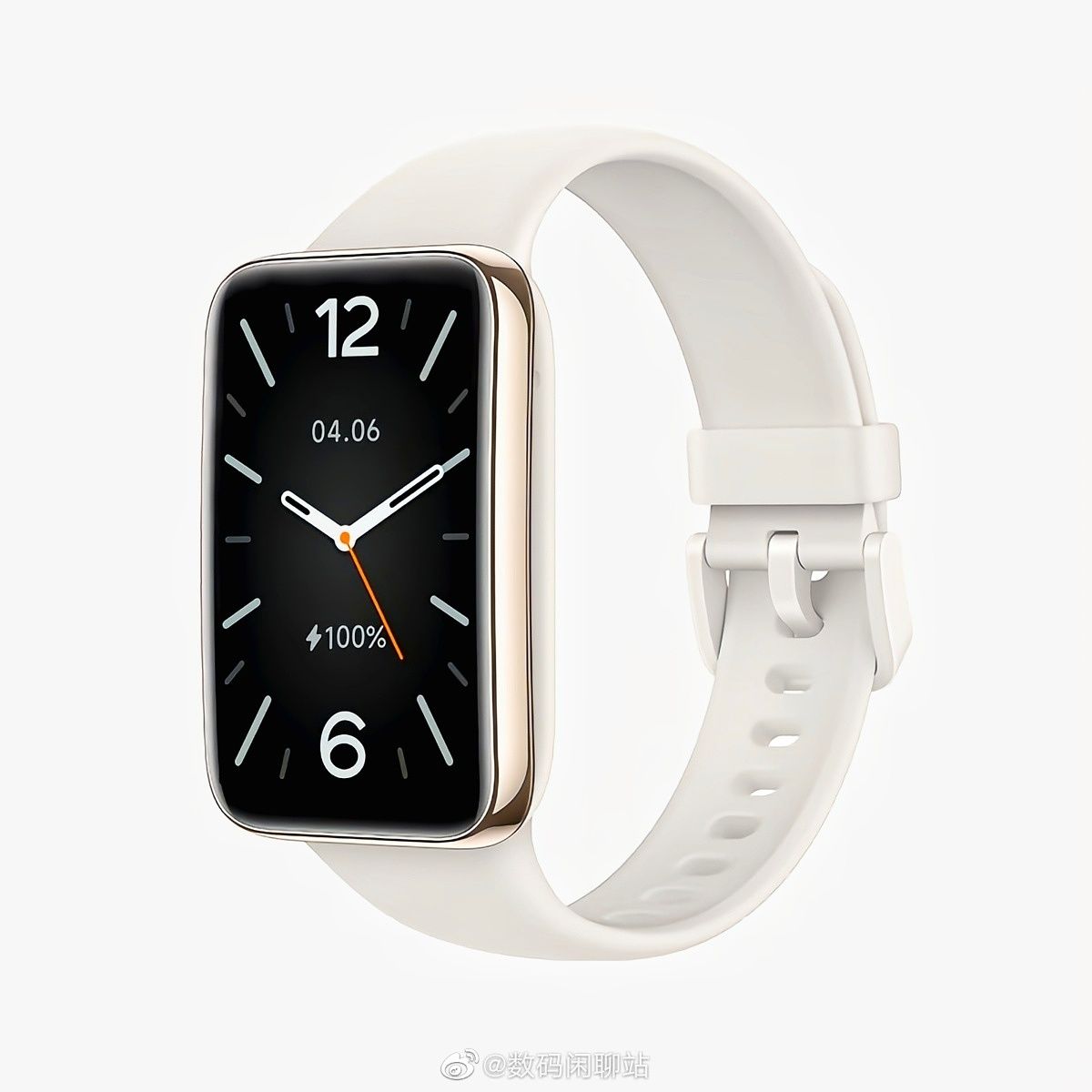
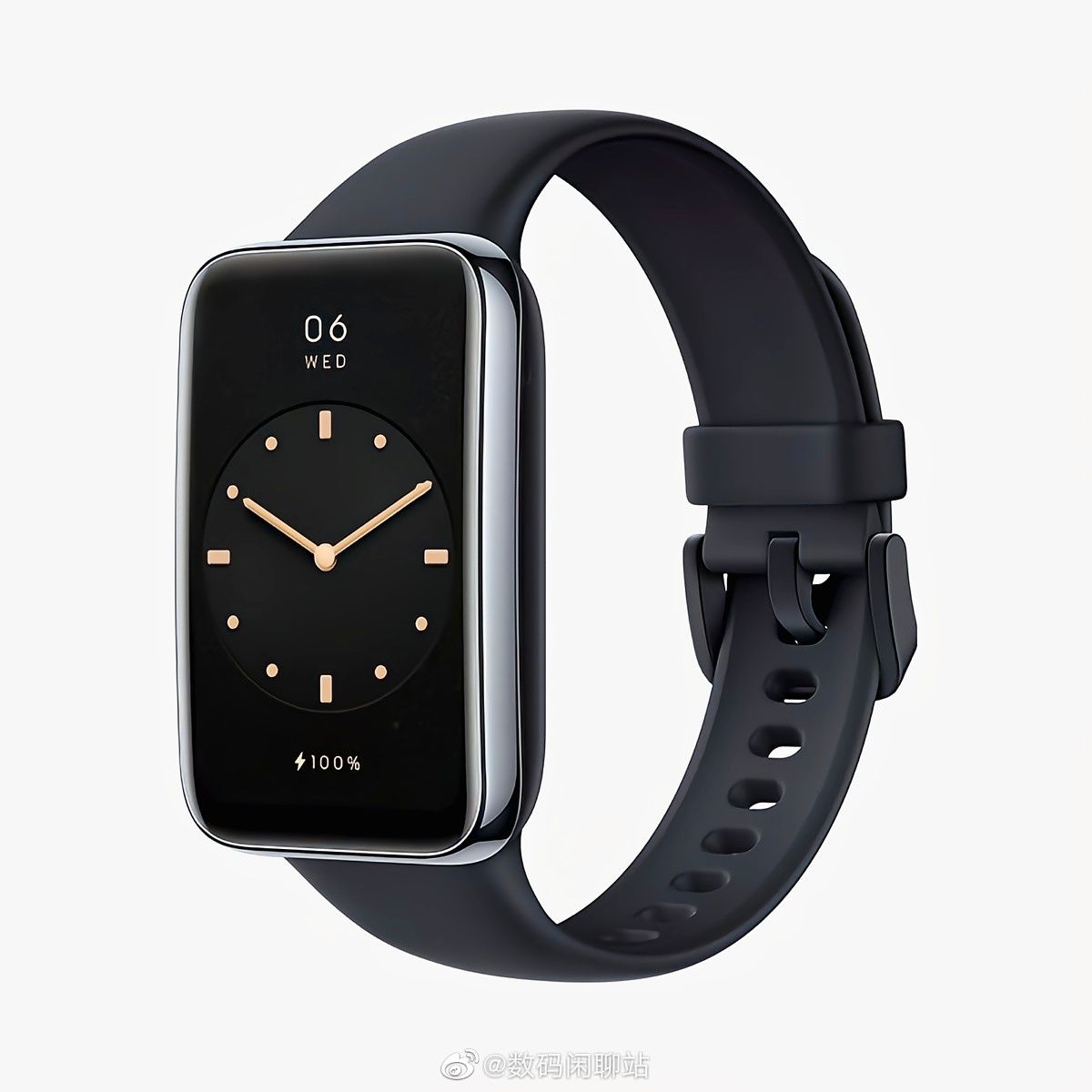
While Xiaomi’s teaser video doesn’t reveal much else about the Mi Band 7 Pro, renowned leaker Digital Chat Station has shared a couple of renders that shed some more light on the fitness tracker. The leaked renders reveal that Xiaomi will launch the Mi Band 7 Pro in two color variants — one featuring a gold bezel around the display and a white band, while the other featuring a gunmetal bezel around the display and a black strap. Both models will come with traditional watch-style bands, unlike the Redmi Smart Band Pro.

Leaked render of the white Mi Band 7 Pro on white background. Leaked render of the black Mi Band 7 Pro on white background.

As mentioned earlier, Xiaomi will unveil the Mi Band 7 Pro alongside the Xiaomi 12S series on July 4. The premium fitness tracker will likely offer all the features found on its more affordable non-Pro counterpart, along with a couple of extras. However, we currently don’t have any info on the additional features it may offer. We’ll make sure to let you know as soon as we learn more.

What do you think of the Mi Band 7 Pro’s design? Are you a fan of the new form factor, or do you think it looks a bit odd? Let us know in the comments section below.


Source: Weibo (1,2)

The post Xiaomi will launch the Mi Band 7 Pro early next month, here’s what it looks like appeared first on XDA.


from XDA https://ift.tt/X8MhkC2
via IFTTT

Xiaomi will launch the Mi Band 7 Pro early next month, here’s what it looks like

After launching the Mi Band 7 this May, Xiaomi is now gearing up to launch a Pro variant of the popular fitness tracker. The company has shared a short teaser of the Mi Band 7 Pro ahead of its official launch and confirmed that it would land with the Xiaomi 12S series early next month.

In a recent post on Weibo, Xiaomi shared a short teaser video of the upcoming Mi Band 7 Pro. The video gives us our first look at the premium fitness tracker, which features a much larger display and better build quality than the non-Pro variant. At first glance, the premium fitness tracker looks a lot like the Redmi Smart Band Pro. However, unlike the Redmi Smart Band Pro, the Mi Band 7 Pro appears to have a more premium metal chassis.

While Xiaomi’s teaser video doesn’t reveal much else about the Mi Band 7 Pro, renowned leaker Digital Chat Station has shared a couple of renders that shed some more light on the fitness tracker. The leaked renders reveal that Xiaomi will launch the Mi Band 7 Pro in two color variants — one featuring a gold bezel around the display and a white band, while the other featuring a gunmetal bezel around the display and a black strap. Both models will come with traditional watch-style bands, unlike the Redmi Smart Band Pro.

Leaked render of the white Mi Band 7 Pro on white background. Leaked render of the black Mi Band 7 Pro on white background.

As mentioned earlier, Xiaomi will unveil the Mi Band 7 Pro alongside the Xiaomi 12S series on July 7. The premium fitness tracker will likely offer all the features found on its more affordable non-Pro counterpart, along with a couple of extras. However, we currently don’t have any info on the additional features it may offer. We’ll make sure to let you know as soon as we learn more.

What do you think of the Mi Band 7 Pro’s design? Are you a fan of the new form factor, or do you think it looks a bit odd? Let us know in the comments section below.


Source: Weibo (1,2)

The post Xiaomi will launch the Mi Band 7 Pro early next month, here’s what it looks like appeared first on XDA.


from XDA https://ift.tt/wTFmiKC
via IFTTT

Pixel Buds A-Series update fixes buggy Bass slider

In December last year, Google rolled out a firmware update for its affordable TWS earbuds — the Pixel Buds A-Series. The update introduced a couple of new features, including a new slider to adjust the bass, a Loudness compensation toggle, improved device switching capabilities, and more. However, since the rollout, we’ve seen several reports about users facing issues with the new Bass slider. Google is now finally addressing the issue with a new Pixel Buds A-Series update.

In a recent post on the Google Pixel Buds Help community forums, Google announced the latest firmware update for the Pixel Buds A-Series. As mentioned earlier, the update (firmware version 3.415) addresses the “toggle button issues with the EQ/bass slider feature where the bass effect continued to revert to original.” It has already started rolling out to Pixel Buds A-Series users worldwide, and Google says that it should reach all users over the course of the next two weeks.

Once the update reaches your device, it should automatically make its way to your Pixel Buds A-Series the next time you use them with a device running Android 6.0 or later. Google says that this process takes about ten minutes and it shouldn’t affect usability. The update will be installed the next time you place the Pixel Buds A-Series in the charging case. Google further notes that the update will only be installed if the earbuds and charging case have sufficient battery life and it may take multiple attempts for the update to complete.

In case the update is still not installed for some reason, you can trigger the process manually by navigating to the Firmware Update section in the Pixel Buds app and selecting the “Update available” option while the earbuds are in the charging case with the lid open.

Have you received the latest Pixel Buds A-series update? Does it successfully address the Bass slider bug? Let us know in the comments section below.


Source: Google Pixel Buds Help
Via: 9to5Google

The post Pixel Buds A-Series update fixes buggy Bass slider appeared first on XDA.


from XDA https://ift.tt/RyQs7dl
via IFTTT