LightBlog

mercredi 26 janvier 2022

How to pass SafetyNet on Android after rooting or installing a custom ROM

SafetyNet bypassing has long been a cat and mouse game between Google and the community. The community loves to modify the software on their phone, a process that usually involves bootloader unlocking as the first step. But this, in turn, trips SafetyNet, which can cause several popular apps to stop working on the phone, some of them understandably so as they rely on a tamper-proof environment for execution.

SafetyNet is meant for app developers, but they can choose to use it or not. For a regular end user, though, you can either give up on the modding potential of Android and pass the SafetyNet compatibility tests, or stay ostracized by the app publishers. If you’re wondering how to pass SafetyNet even after rooting or installing a custom ROM on your device, this guide should help you with that.

Table of Contents:

What is SafetyNet?

Android is designed to run without giving the end user any kind of privileged control over the underlying subsystems. In case a person operating an Android device is able to gain similar access to administrative (AKA “superuser”) permissions as on Linux, they can essentially alter or replace Android system applications and settings. From the perspective of an app developer, it means the device their app is running on can potentially be compromised. There should be some kind of abuse detection system to examine the device’s software and hardware environment and assure the app developers that everything is alright. This is where SafetyNet comes in.

While modding is an integral part of the Android ecosystem, sometimes you need a high degree of rigor in the OS to satisfy the constraints of security policies. SafetyNet is such a set of abuse-detection APIs present in the Google Play Services. By calling the SafetyNet Attestation API, third-party applications can check if the software environment of the device has been tampered with in any way. The API checks for various things like the bootloader unlock status, signs of superuser binaries, and more to compare the current state of the target Android device and verify the integrity of the environment against a known ‘safe’ value on the server-side.

SafetyNet Attestation API protocol

SafetyNet Attestation API protocol


SafetyNet tripping and its consequences

A number of departure events from the stock configuration of an Android device eventually lead to SafetyNet tripping. Even if you just unlock the bootloader of your phone and leave the factory-installed OS untouched, you may still get a “CTS profile mismatch” (where CTS stands for the Compatibility Test Suite) error that causes the SafetyNet check to fail. If you root your Android device or replace the stock firmware with a custom ROM, you will pretty much end up with a SafetyNet failed status. As a result, you can’t use apps and games that employ SafetyNet validation on the device. This is especially true for banking and other financial apps such as Google Pay, as they strictly rely on the SafetyNet Attestation result and won’t allow users to operate the app on a seemingly tampered environment for the sake of security.

Google Pay SafetyNet checker

When it comes to games, developers use SafetyNet for assessing the device’s integrity so that they can prevent rogue players from cheating or modifying in-game variables for unfair advantages. Last but not least, you can also come across examples where publishers are simply misusing Google’s tamper detection mechanism for no practical reason, which is why power users want to evade the detection routines.

In a nutshell, the modding community will have to choose between having access to root/custom ROMs/kernels/etc. or their preferred apps and games. This might sound like the end of aftermarket development on Android, but there is hope.


How to pass SafetyNet attestation on Android devices

Since Google periodically updates the backbone of the SafetyNet Attestation API, there is no true universal method to bypass the checks. Since the restrictions depend on a number of factors, you may pass SafetyNet on a modded environment by spoofing the most significant parameters on legacy devices, but the same trick might not work at all on newer phones. The aftermarket development community has come up with a number of techniques for passing the SafetyNet checks, but keep in mind that a generic implementation isn’t possible due to the ever-changing nature of the anti-abuse API. This is a game of cat-and-mouse — one day you will be ahead, the other day you will not be.

With the gradual move towards the hardware attestation strategy, Google is relying on the security of the phone’s Trusted Execution Environment (TEE) or dedicated hardware security module (HSM) for tamper detection. Finding a critical security vulnerability in the isolated secure environment of a device and exploiting it to spoof SafetyNet’s client-side response can’t be a feasible approach, but there exist other ways to get past the obstacle.

Here are some of the well-known methods to pass SafetyNet:

1. Restoring the original firmware and relocking the bootloader

This is perhaps the simplest way to pass SafetyNet, but it has its own merits and demerits. All you need to do is find the correct firmware for your Android device, flash it, and finally re-lock the bootloader. Of course, you’ll lose most of the bells and whistles of Android modding, but it actually makes sense when you need to use your device in a managed environment with strict security policies or you’re trying to sell your device.

2. Using Magisk

If you own a legacy Android smartphone, Magisk is your best bet to pass SafetyNet without much hassle. Even though the current Canary channel of Magisk doesn’t feature MagiskHide anymore, you can still stick to last stable release (v23.0) and utilize MagiskHide to hide root status from apps. Furthermore, you can install Magisk modules like MagiskHide Props Config to change the device fingerprint in order to pass SafetyNet.

Talking about the Canary channel, the new “DenyList” feature of  Magisk is an interesting development, which allows users to assign a list of processes where Magisk denies further modifications and reverts all changes it had done. With an appropriate configuration, it can also be used to pass SafetyNet in some scenarios.

Magisk XDA Forums

Lastly, there’s Shamiko — a work-in-progress module written on top of Zygisk (Magisk in the zygote process). It reads the list of apps to hide from Magisk’s denylist to hide Magisk root, Zygisk itself, and Zygisk modules to circumvent SafetyNet. However, Shamiko can only work after disabling the DenyList feature.

3. Using Universal SafetyNet Fix

Bypassing Google’s hardware-backed SafetyNet attestation technique is a tad bit difficult, but it’s not entirely impossible. The Universal SafetyNet Fix project by XDA Senior Member kdrag0n cleverly accomplishes this feat by forcing the basic attestation over the hardware-backed checks.

Notably, Universal SafetyNet Fix has a dependency on Magisk when it comes to passing the basic attestation part. The developer offers two different builds of the fix: The Zygisk variant for Magisk Canary and the Riru variant for stable Magisk.

Universal SafetyNet Fix: GitHub Repo |||  XDA Discussion Thread

4. ih8sn

In case you don’t want to rely on Magisk to pass SafetyNet attestation, you can try out an experimental add-on named ih8sn. After applying, it can spoof a plethora of prop values in order to circumvent SafetyNet checks like the MagiskHide Props Config module, but there’s no dependency on Magisk in the first place.

The ih8sn tool is maintained by several LineageOS developers, but the LineageOS project doesn’t officially endorse it yet. To know more, take a look at its codebase by following the link below.

ih8sn GitHub Repo


Verification

After applying one of the aforementioned SafetyNet passing methods, you may wish to verify the result. The Magisk app comes with an option to initiate the SafetyNet checking routine right from its main menu, which is really handy. You can also opt for an open source app named YASNAC (short for Yet Another SafetyNet Attestation Checker) to check the status and (optionally) examine the JSON response.

YASNAC SafetyNet attestation

YASNAC - Yet Another SafetyNet Attestation Checker (Free, Google Play) →


That’s how you can pass SafetyNet on your phone. With a little bit of time and patience, it is possible to restore the true modding potential of Android without bothering about the SafetyNet Attestation failures. We’ll be updating this guide with more SafetyNet passing methods, so check back again in the future!

The post How to pass SafetyNet on Android after rooting or installing a custom ROM appeared first on xda-developers.


from xda-developers https://ift.tt/3AxZzE0
via IFTTT

mardi 25 janvier 2022

These are the Best Android Phones under $500 in 2022!

The budget smartphone segment has matured quite a bit over the last few years. Now, even the sub-$500 Android phones can provide a great experience, and you don’t need to shell out for a flagship to get decent performance. We’ve seen several excellent affordable smartphones launch this year, and if you’re in the market for a new phone, it’s a great time to get one. We’ve picked the best Android phones under $500 that you can consider in your buying decision.

Here are some of the best cheap phones you can buy right now in the US. We’ll also sneak in some non-US devices that are good enough to actually be worth importing, although we’ll mostly focus on devices that will work in the American market.

Navigate this guide:

Best Overall: Google Pixel 5a

Google Pixel 5a with grassy background

The Pixel 5a is our pick for the best Android phone under $500. The phone packs everything you need in a mid-range smartphone, and none of its drawbacks are deal-breakers. You get a very capable Snapdragon 765G SoC that has already shown it can handle everything you throw at it in multiple smartphones. Google has also tried to fix one big complaint with the Pixel phones by including a larger 4,680mAh battery. It’s the largest battery in a Pixel phone.

The same camera setup as the Pixel 5 is present on the Pixel 5a, so you get the best photo quality in this price segment. Software is another area where the phone shines, and with it being a Pixel, you can expect the phone to get timely software updates. In addition, there is IP67 water and dust resistance for added peace of mind.

The only aspect of the phone some people may not appreciate is its 6.39 inch Full-HD+ OLED screen that’s stuck at a 60Hz refresh rate, but otherwise, the Pixel 5a is a good all-rounder with a no-nonsense approach.

    Google Pixel 5a
    The Pixel 5a has everything you need for an excellent performance, from a capable processor to a large battery.

Best for Enthusiasts: OnePlus 8T

OnePlus-8T-Aquamarine-Green-Back-Camera

The OnePlus 8T launched in 2020, and while it may have been outshined by the OnePlus 8 Pro, it was still an amazing phone in its own right. It has a Snapdragon 865 processor, which is still a very capable mobile processor even though the Snapdragon 888 and Snapdragon 8 Gen 1 are already making the rounds. This was one of the phones that showed OnePlus was still able to deliver excellent bang for the buck, with prices for flagship smartphones in a seemingly permanent upward trend. It also enjoys amazing developer support in our forums, making it an amazing deal for enthusiasts.

It was an amazing device then, and still an amazing device now for the price, even with the OnePlus 9 series available and the OnePlus 10 right around the corner. It’s available on the OnePlus website and on Amazon right now for $499, making it an excellent deal for a last-gen flagship.

    OnePlus 8T
    At $499, you're getting one of the best devices of 2020, with a Snapdragon 865 processor, up to 12 GB of RAM, and a 120Hz display. The new launches by OnePlus have only made it an even better deal now than ever.

Best Compact: Google Pixel 5a

Google Pixel 5a on wooden deck

Thanks to the ever-increasing size of an average smartphone, a “compact smartphone” is not what it used to be. When you’re looking for a good budget phone in a compact size, your choices are even more limited, which is why our pick for the best compact phone under $500 is the Pixel 5a 5G. With its sizeable 6.39 inch screen, it isn’t as small as an iPhone SE (2020), but this is the best you can get, and you can blame smartphone makers for it. That said, the Pixel 5a is an excellent mid-range phone.

It doesn’t overpromise or have any flashy features. Instead, the phone gets the basics right and delivers where it needs to. As it shares a lot of its DNA with the Pixel 5, there are quite a few tried and tested things in the 5a. You get the same Snapdragon 765G SoC as the Pixel 5 and the same camera setup.

    Google Pixel 5a
    The Pixel 5a is Google's latest mid-range smartphone. It features a Snapdragon 765G SoC, 6GB of RAM, and a full-HD+ display.

Best Battery Life: Motorola One 5G Ace

Motorola One 5G Ace

The Motorola One 5G from last year turned heads by being one of the cheapest 5G smartphones available in the United States, and the Motorola One 5G Ace follows in those footsteps as well. While the One 5G managed to have a unique footprint and design, the One 5G Ace looks more “normal” but still packs plenty of unique might inside. It comes with a Snapdragon 750G SoC, up to 6 GB of RAM, and up to 128 GB of storage.

Another very unique thing about it is the battery. It has a 5,000 mAh cell, quite outstanding for a device around this price point as bigger batteries are normally relegated to lower-end, budget devices. With an 8nm processor on it, we’re expecting a very good mix between battery life and performance out of this phone. It also has a 48MP quad-camera, Android 10, and comes pretty cheap compared to the alternatives.

    Motorola One 5G Ace
    Starting at $379, you're getting a 5G-enabled Motorola device with a Snapdragon 750G and a massive 5,000 mAh battery that should be more than able to keep up with you and your habits, no matter how exigent they are.

Best Newcomer: TCL 20 Pro 5G

TCL 20 Pro 5G

TCL might not be the first brand you think about when choosing a smartphone, but as it turns out, they’re bigger than you think. They manufactured a lot of devices from BlackBerry quite recently, for example, and they also made the newest Palm ultra-small Android phone. This time, they’re making phones under their own brand. We got to know them last year with the TCL 10L and the TCL 10 Pro, both of which got a state-side release, and while they’ve been out in the market for several months and successors are already on the way, I’m still counting TCL as a “newcomer” because their brand name is still relatively unknown. TCL is now coming back to the market with the TCL 20 Pro 5G.

The TCL 10 Pro comes with a Snapdragon 750G, a very capable mid-range processor, and a marked upgrade over the previous Snapdragon 675 in the previous TCL 10 Pro (and an upgrade that also means the phone supports 5G connectivity), up to 6 GB of RAM, and 256 GB of storage, making it one of the best cheap phones under $500. The phone is running Android 11 with TCL’s own UI on top, and we expect it to get Android 12 once that’s out as well.

TCL is a rising player in smartphones in the USA, and their latest offering is an amazing proposition for what a lot of people will be using a smartphone for.

    TCL 20 Pro 5G
    The TCL 20 Pro 5G retails for $499 and brings excellent value to the table with a Snapdragon 750G, quad cameras on the back, a stunning display, up to 256 GB of storage, and 5G support. It's a fan favorite on Amazon, and we can see why.

Best Bang-for-the-Buck: Samsung Galaxy A32 5G

Front of Galaxy A32

While all our recommendations provide good value for money, if you really want the best bang for your buck, the Galaxy A32 5G is your phone. It packs a host of features that are almost rare to get in its price tag. There’s a 90Hz HD+ screen, a large 5,000mAh battery with 15W fast charging, and sub-6GHz 5G support. The onboard MediaTek chip provides reliable performance, and 4GB RAM is enough to keep things moving.

In addition, Samsung has included a side-mounted fingerprint sensor, NFC for contactless payments, and a microSD card for storage expansion. Finally, you get four cameras at the back. Even though the secondary cameras are underwhelming, the primary camera can take decent photos in good lighting.

Samsung had launched the Galaxy A32 5G at $280, but the phone has since been discounted to $240, making it an even better deal.

    Samsung Galaxy A32 5G
    The Samsung Galaxy A32 5G is the best sub-$300 in the US right now. It runs on Android 11 and comes with a 6.5 inch screen.

Best Carrier Phone: Samsung Galaxy A52 5G

Samsung Galaxy A52 on blue background

The Samsung Galaxy A51 and the Galaxy A51 5G (or the Galaxy A51 5G UW if you were on Verizon) were one of Samsung’s biggest hits in 2020 for the mid-range specs, improving upon what the company did in 2019 with the Galaxy A50 and the Galaxy A50s. That lead was further extended by the Galaxy A52 5G, which swaps out the Exynos 980 in the previous device and goes up to a Snapdragon 750G 5G processor, which is based on an 8nm process. It also comes with 64MP cameras, up to 8 GB of RAM, and up to 256 GB of storage. Samsung has also finally shipped a 120Hz display in a non-flagship phone — this bad boy has one.

The Galaxy A52 5G is available in an unlocked flavor as well at T-Mobile and AT&T. It earns a spot in our list of the best cheap phones under $500 because you can get it on most US carriers and it will be compatible with 5G networks on all of those carriers, making it quite a nice deal for US consumers looking for a cheap phone with 5G capability.

    Samsung Galaxy A51 5G
    The Samsung Galaxy A52 5G is Samsung's cheapest 5G device, featuring a Snapdragon 750G processor, quad cameras, and support for 5G connectivity across all US carriers. You can also grab it unlocked if that's your sort of thing.

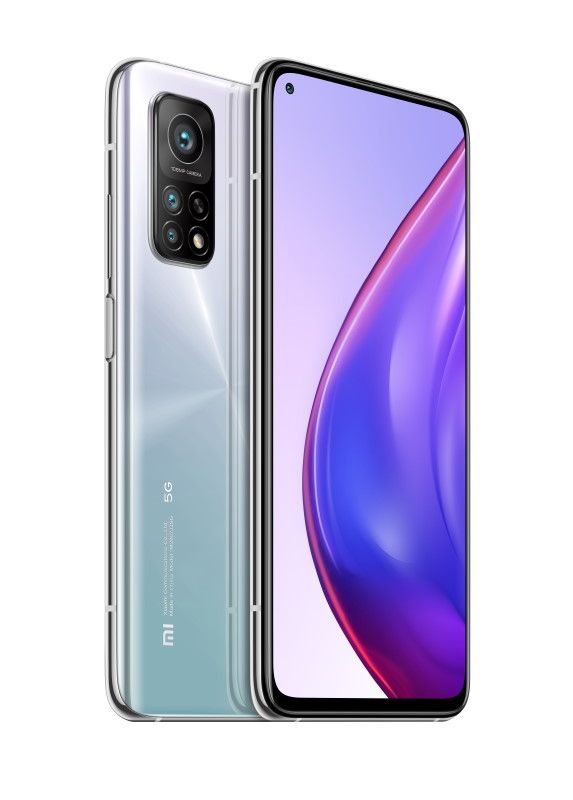
Best Performance: Xiaomi Mi 10T

Xiaomi Mi 10T 9T Pro xda display review grey snapdragon 865 108MP camera 144Hz LCD display

The Mi 11 and even the Xiaomi 11T lineup is already out, sporting Snapdragon 888 processors and other top-of-the-line specifications. This makes last year’s Mi 10 lineup more compelling than ever since prices have gone down, and the Mi 10T is one of the most brilliant devices in this lineup. It’s one of the very few sub-$500 devices to be powered by a full, fat flagship-grade Snapdragon 865 processor — and, of course, touting 5G support. It also features a 144Hz display for buttery smooth performance.

It’s not a perfect phone. It doesn’t have water or dust resistance, it features no wireless charging or 3.5mm headphone jack, and the display is LCD instead of AMOLED (although quite frankly, expecting a 144Hz AMOLED at this price point is probably a long shot). It’s also not available in the US, meaning you’ll have to import it if you want to give it a go. But if you really want the raw horsepower the Snapdragon 865 brings on an extreme budget and don’t mind jumping through some hoops to get your phone working on your carrier….then this might be one of your only choices. It’s one of the best cheap phones under $500, and very clearly one of the best-performing ones, if not the best.

    Xiaomi Mi 10T
    The Xiaomi Mi 10T brings unparalleled performance to a lower price point, and it's quite likely one of the only Snapdragon 865 devices you can find right now for under $500. It's also got versatile cameras and a punch-hole 144Hz display.

Honorable Mention: OnePlus Nord 2

OnePlus Nord 2 display in focus, showing off homescreen, and two plants present behind the phone

The OnePlus Nord 2 had pretty big shoes to fill, and it has successfully done so. It’s a fantastic mid-range smartphone. The only problem is the phone is restricted to Europe and India, like its predecessor. So instead of being one of our top picks, the phone has been relegated to honorable mentions. Furthermore, if you want the phone in the US, you’ll have to import it, which is a hassle and increases the device’s cost.

From a full-HD+ 90Hz display to 65W fast charging support, the Nord 2 comes with all the right things. It also packs a flagship-grade MediaTek Dimensity 1200-AI processor that’s more than enough to offer excellent performance. The phone’s software, which now includes the elements of Color OS, also doesn’t disappoint and will be appreciated by many people.

    OnePlus Nord 2
    The OnePlus Nord 2 is a worthy successor to the original Nord. It provides excellent performance, but unfortunately, it's not officially available in the US.

Honorable Mention: Xiaomi Redmi Note 10 Pro

Redmi Note 10 Pro with a plastic back

There’s just no other way to put it. If you want a phone that has a decent price-to-performance ratio, Xiaomi’s Redmi sub-brand is probably the best way to go. The Redmi Note 10 Pro (known as the Redmi Note 10 Pro Max in India) delivers excellent performance considering what you’re paying for. You really can’t go wrong with this smartphone if you don’t have a big budget — it has a Snapdragon 732G CPU, a 120Hz AMOLED display, and a 108MP camera for delivering excellent smoothness, performance, and camera prowess for what its price might otherwise suggest.

The reason why this phone is going into our honorable mentions then is pretty simple — there’s no easy way to get this phone in the US. If you do decide to import one, just like we warned you with the Mi 10T, make sure it’s compatible with your carrier. You get Android 11 based on MIUI 12, up to 8 GB of RAM and 128GB of storage, a 5,020 mAh battery, and support for 33W fast charging. It’s really a shame no phone in the US can deliver the kind of bang for the buck this phone offers. While some get close, like Nokia smartphones, they don’t quite get there.

    Redmi Note 10 Pro /Max
    The Redmi Note 10 Pro is Xiaomi's best Redmi Note series smartphone to date, and also the most feature-packed, taking on lots of features from the more expensive Xiaomi flagships, like a 108MP camera and a 120Hz AMOLED display, for an excellent balance of performance and price.

These are the options we can recommend for different needs under the $500 price tag. Do you agree with our choices? What would you choose under the different categories? Let us know in the comments below.

The post These are the Best Android Phones under $500 in 2022! appeared first on xda-developers.


from xda-developers https://ift.tt/36kdpLu
via IFTTT

These are the Best Android Phones under $500 in 2022!

The budget smartphone segment has matured quite a bit over the last few years. Now, even the sub-$500 Android phones can provide a great experience, and you don’t need to shell out for a flagship to get decent performance. We’ve seen several excellent affordable smartphones launch this year, and if you’re in the market for a new phone, it’s a great time to get one. We’ve picked the best Android phones under $500 that you can consider in your buying decision.

Here are some of the best cheap phones you can buy right now in the US. We’ll also sneak in some non-US devices that are good enough to actually be worth importing, although we’ll mostly focus on devices that will work in the American market.

Navigate this guide:

Best Overall: Google Pixel 5a

Google Pixel 5a with grassy background

The Pixel 5a is our pick for the best Android phone under $500. The phone packs everything you need in a mid-range smartphone, and none of its drawbacks are deal-breakers. You get a very capable Snapdragon 765G SoC that has already shown it can handle everything you throw at it in multiple smartphones. Google has also tried to fix one big complaint with the Pixel phones by including a larger 4,680mAh battery. It’s the largest battery in a Pixel phone.

The same camera setup as the Pixel 5 is present on the Pixel 5a, so you get the best photo quality in this price segment. Software is another area where the phone shines, and with it being a Pixel, you can expect the phone to get timely software updates. In addition, there is IP67 water and dust resistance for added peace of mind.

The only aspect of the phone some people may not appreciate is its 6.39 inch Full-HD+ OLED screen that’s stuck at a 60Hz refresh rate, but otherwise, the Pixel 5a is a good all-rounder with a no-nonsense approach.

    Google Pixel 5a
    The Pixel 5a has everything you need for an excellent performance, from a capable processor to a large battery.

Best for Enthusiasts: OnePlus 8T

OnePlus-8T-Aquamarine-Green-Back-Camera

The OnePlus 8T launched in 2020, and while it may have been outshined by the OnePlus 8 Pro, it was still an amazing phone in its own right. It has a Snapdragon 865 processor, which is still a very capable mobile processor even though the Snapdragon 888 and Snapdragon 8 Gen 1 are already making the rounds. This was one of the phones that showed OnePlus was still able to deliver excellent bang for the buck, with prices for flagship smartphones in a seemingly permanent upward trend. It also enjoys amazing developer support in our forums, making it an amazing deal for enthusiasts.

It was an amazing device then, and still an amazing device now for the price, even with the OnePlus 9 series available and the OnePlus 10 right around the corner. It’s available on the OnePlus website and on Amazon right now for $499, making it an excellent deal for a last-gen flagship.

    OnePlus 8T
    At $499, you're getting one of the best devices of 2020, with a Snapdragon 865 processor, up to 12 GB of RAM, and a 120Hz display. The new launches by OnePlus have only made it an even better deal now than ever.

Best Compact: Google Pixel 5a

Google Pixel 5a on wooden deck

Thanks to the ever-increasing size of an average smartphone, a “compact smartphone” is not what it used to be. When you’re looking for a good budget phone in a compact size, your choices are even more limited, which is why our pick for the best compact phone under $500 is the Pixel 5a 5G. With its sizeable 6.39 inch screen, it isn’t as small as an iPhone SE (2020), but this is the best you can get, and you can blame smartphone makers for it. That said, the Pixel 5a is an excellent mid-range phone.

It doesn’t overpromise or have any flashy features. Instead, the phone gets the basics right and delivers where it needs to. As it shares a lot of its DNA with the Pixel 5, there are quite a few tried and tested things in the 5a. You get the same Snapdragon 765G SoC as the Pixel 5 and the same camera setup.

    Google Pixel 5a
    The Pixel 5a is Google's latest mid-range smartphone. It features a Snapdragon 765G SoC, 6GB of RAM, and a full-HD+ display.

Best Battery Life: Motorola One 5G Ace

Motorola One 5G Ace

The Motorola One 5G from last year turned heads by being one of the cheapest 5G smartphones available in the United States, and the Motorola One 5G Ace follows in those footsteps as well. While the One 5G managed to have a unique footprint and design, the One 5G Ace looks more “normal” but still packs plenty of unique might inside. It comes with a Snapdragon 750G SoC, up to 6 GB of RAM, and up to 128 GB of storage.

Another very unique thing about it is the battery. It has a 5,000 mAh cell, quite outstanding for a device around this price point as bigger batteries are normally relegated to lower-end, budget devices. With an 8nm processor on it, we’re expecting a very good mix between battery life and performance out of this phone. It also has a 48MP quad-camera, Android 10, and comes pretty cheap compared to the alternatives.

    Motorola One 5G Ace
    Starting at $379, you're getting a 5G-enabled Motorola device with a Snapdragon 750G and a massive 5,000 mAh battery that should be more than able to keep up with you and your habits, no matter how exigent they are.

Best Newcomer: TCL 20 Pro 5G

TCL 20 Pro 5G

TCL might not be the first brand you think about when choosing a smartphone, but as it turns out, they’re bigger than you think. They manufactured a lot of devices from BlackBerry quite recently, for example, and they also made the newest Palm ultra-small Android phone. This time, they’re making phones under their own brand. We got to know them last year with the TCL 10L and the TCL 10 Pro, both of which got a state-side release, and while they’ve been out in the market for several months and successors are already on the way, I’m still counting TCL as a “newcomer” because their brand name is still relatively unknown. TCL is now coming back to the market with the TCL 20 Pro 5G.

The TCL 10 Pro comes with a Snapdragon 750G, a very capable mid-range processor, and a marked upgrade over the previous Snapdragon 675 in the previous TCL 10 Pro (and an upgrade that also means the phone supports 5G connectivity), up to 6 GB of RAM, and 256 GB of storage, making it one of the best cheap phones under $500. The phone is running Android 11 with TCL’s own UI on top, and we expect it to get Android 12 once that’s out as well.

TCL is a rising player in smartphones in the USA, and their latest offering is an amazing proposition for what a lot of people will be using a smartphone for.

    TCL 20 Pro 5G
    The TCL 20 Pro 5G retails for $499 and brings excellent value to the table with a Snapdragon 750G, quad cameras on the back, a stunning display, up to 256 GB of storage, and 5G support. It's a fan favorite on Amazon, and we can see why.

Best Bang-for-the-Buck: Samsung Galaxy A32 5G

Front of Galaxy A32

While all our recommendations provide good value for money, if you really want the best bang for your buck, the Galaxy A32 5G is your phone. It packs a host of features that are almost rare to get in its price tag. There’s a 90Hz HD+ screen, a large 5,000mAh battery with 15W fast charging, and sub-6GHz 5G support. The onboard MediaTek chip provides reliable performance, and 4GB RAM is enough to keep things moving.

In addition, Samsung has included a side-mounted fingerprint sensor, NFC for contactless payments, and a microSD card for storage expansion. Finally, you get four cameras at the back. Even though the secondary cameras are underwhelming, the primary camera can take decent photos in good lighting.

Samsung had launched the Galaxy A32 5G at $280, but the phone has since been discounted to $240, making it an even better deal.

    Samsung Galaxy A32 5G
    The Samsung Galaxy A32 5G is the best sub-$300 in the US right now. It runs on Android 11 and comes with a 6.5 inch screen.

Best Carrier Phone: Samsung Galaxy A52 5G

Samsung Galaxy A52 on blue background

The Samsung Galaxy A51 and the Galaxy A51 5G (or the Galaxy A51 5G UW if you were on Verizon) were one of Samsung’s biggest hits in 2020 for the mid-range specs, improving upon what the company did in 2019 with the Galaxy A50 and the Galaxy A50s. That lead was further extended by the Galaxy A52 5G, which swaps out the Exynos 980 in the previous device and goes up to a Snapdragon 750G 5G processor, which is based on an 8nm process. It also comes with 64MP cameras, up to 8 GB of RAM, and up to 256 GB of storage. Samsung has also finally shipped a 120Hz display in a non-flagship phone — this bad boy has one.

The Galaxy A52 5G is available in an unlocked flavor as well at T-Mobile and AT&T. It earns a spot in our list of the best cheap phones under $500 because you can get it on most US carriers and it will be compatible with 5G networks on all of those carriers, making it quite a nice deal for US consumers looking for a cheap phone with 5G capability.

    Samsung Galaxy A51 5G
    The Samsung Galaxy A52 5G is Samsung's cheapest 5G device, featuring a Snapdragon 750G processor, quad cameras, and support for 5G connectivity across all US carriers. You can also grab it unlocked if that's your sort of thing.

Best Performance: Xiaomi Mi 10T

Xiaomi Mi 10T 9T Pro xda display review grey snapdragon 865 108MP camera 144Hz LCD display

The Mi 11 and even the Xiaomi 11T lineup is already out, sporting Snapdragon 888 processors and other top-of-the-line specifications. This makes last year’s Mi 10 lineup more compelling than ever since prices have gone down, and the Mi 10T is one of the most brilliant devices in this lineup. It’s one of the very few sub-$500 devices to be powered by a full, fat flagship-grade Snapdragon 865 processor — and, of course, touting 5G support. It also features a 144Hz display for buttery smooth performance.

It’s not a perfect phone. It doesn’t have water or dust resistance, it features no wireless charging or 3.5mm headphone jack, and the display is LCD instead of AMOLED (although quite frankly, expecting a 144Hz AMOLED at this price point is probably a long shot). It’s also not available in the US, meaning you’ll have to import it if you want to give it a go. But if you really want the raw horsepower the Snapdragon 865 brings on an extreme budget and don’t mind jumping through some hoops to get your phone working on your carrier….then this might be one of your only choices. It’s one of the best cheap phones under $500, and very clearly one of the best-performing ones, if not the best.

    Xiaomi Mi 10T
    The Xiaomi Mi 10T brings unparalleled performance to a lower price point, and it's quite likely one of the only Snapdragon 865 devices you can find right now for under $500. It's also got versatile cameras and a punch-hole 144Hz display.

Honorable Mention: OnePlus Nord 2

OnePlus Nord 2 display in focus, showing off homescreen, and two plants present behind the phone

The OnePlus Nord 2 had pretty big shoes to fill, and it has successfully done so. It’s a fantastic mid-range smartphone. The only problem is the phone is restricted to Europe and India, like its predecessor. So instead of being one of our top picks, the phone has been relegated to honorable mentions. Furthermore, if you want the phone in the US, you’ll have to import it, which is a hassle and increases the device’s cost.

From a full-HD+ 90Hz display to 65W fast charging support, the Nord 2 comes with all the right things. It also packs a flagship-grade MediaTek Dimensity 1200-AI processor that’s more than enough to offer excellent performance. The phone’s software, which now includes the elements of Color OS, also doesn’t disappoint and will be appreciated by many people.

    OnePlus Nord 2
    The OnePlus Nord 2 is a worthy successor to the original Nord. It provides excellent performance, but unfortunately, it's not officially available in the US.

Honorable Mention: Xiaomi Redmi Note 10 Pro

Redmi Note 10 Pro with a plastic back

There’s just no other way to put it. If you want a phone that has a decent price-to-performance ratio, Xiaomi’s Redmi sub-brand is probably the best way to go. The Redmi Note 10 Pro (known as the Redmi Note 10 Pro Max in India) delivers excellent performance considering what you’re paying for. You really can’t go wrong with this smartphone if you don’t have a big budget — it has a Snapdragon 732G CPU, a 120Hz AMOLED display, and a 108MP camera for delivering excellent smoothness, performance, and camera prowess for what its price might otherwise suggest.

The reason why this phone is going into our honorable mentions then is pretty simple — there’s no easy way to get this phone in the US. If you do decide to import one, just like we warned you with the Mi 10T, make sure it’s compatible with your carrier. You get Android 11 based on MIUI 12, up to 8 GB of RAM and 128GB of storage, a 5,020 mAh battery, and support for 33W fast charging. It’s really a shame no phone in the US can deliver the kind of bang for the buck this phone offers. While some get close, like Nokia smartphones, they don’t quite get there.

    Redmi Note 10 Pro /Max
    The Redmi Note 10 Pro is Xiaomi's best Redmi Note series smartphone to date, and also the most feature-packed, taking on lots of features from the more expensive Xiaomi flagships, like a 108MP camera and a 120Hz AMOLED display, for an excellent balance of performance and price.

These are the options we can recommend for different needs under the $500 price tag. Do you agree with our choices? What would you choose under the different categories? Let us know in the comments below.

The post These are the Best Android Phones under $500 in 2022! appeared first on xda-developers.


from xda-developers https://ift.tt/36kdpLu
via IFTTT

Samsung’s new fingerprint security IC will make your payment cards more secure

Your future debit or credit card may come equipped with Samsung’s new fingerprint security IC for enhanced security and fraud protection. South Korean electronics giant today announced an all-in-one fingerprint security IC called S3B512C for biometric payment cards.

Samsung says the S3B512C is the industry’s first solution that integrates a fingerprint sensor, Secure Element (SE), and Secure Processor in a single chip. The fingerprint scanner is used to read biometric data, tamper-proof Secure Element (SE) stores and authenticates encrypted data, while Secure Processor analyzes and processes biometric data. The new IC uses a proprietary fingerprint authentication algorithm to analyze unique traits of the user’s fingerprint. The chip also has anti-spoofing technology that prevents fraudsters from tricking the security system with artificial fingerprints and other illegitimate methods.

Two payment cards side by side featuring fingerprint scanner, Secure Processor, and Secure Element

Samsung says its new security IC performs in line with MasterCard’s Biometric Evaluation Plan Summary (BEPS) specifications and is certified by EMVCo and Common Criteria Evaluation Assurance Leve (CC EAL) 6+.

“S3B512C combines a fingerprint sensor, Secure Element (SE) and Secure Processor, adding an extra layer of authentication and security in payment cards. The S3B512C is primarily designed for payment cards but can also be used in cards that require highly secured authentications such as student or employee identification, membership or building access,” said Kenny Han, Vice President of System LSI Marketing at Samsung Electronics.

Samsung touts several benefits of using the S3B512C chip. For one, biometric authentication means users won’t have to manually enter a PIN when making purchases. Secondly, the IC greatly reduces the chances of fraudulent transactions if a card gets lost or stolen as no transactions can be made without authenticating the cardholder’s fingerprint.

Samsung says its fingerprint security IC is primarily designed for payment cards, but can also be used in other cards that require secured authentications such as employee or student ID cards.

The post Samsung’s new fingerprint security IC will make your payment cards more secure appeared first on xda-developers.


from xda-developers https://ift.tt/3tYUMu2
via IFTTT

Samsung’s new fingerprint security IC will make your payment cards more secure

Your future debit or credit card may come equipped with Samsung’s new fingerprint security IC for enhanced security and fraud protection. South Korean electronics giant today announced an all-in-one fingerprint security IC called S3B512C for biometric payment cards.

Samsung says the S3B512C is the industry’s first solution that integrates a fingerprint sensor, Secure Element (SE), and Secure Processor in a single chip. The fingerprint scanner is used to read biometric data, tamper-proof Secure Element (SE) stores and authenticates encrypted data, while Secure Processor analyzes and processes biometric data. The new IC uses a proprietary fingerprint authentication algorithm to analyze unique traits of the user’s fingerprint. The chip also has anti-spoofing technology that prevents fraudsters from tricking the security system with artificial fingerprints and other illegitimate methods.

Two payment cards side by side featuring fingerprint scanner, Secure Processor, and Secure Element

Samsung says its new security IC performs in line with MasterCard’s Biometric Evaluation Plan Summary (BEPS) specifications and is certified by EMVCo and Common Criteria Evaluation Assurance Leve (CC EAL) 6+.

“S3B512C combines a fingerprint sensor, Secure Element (SE) and Secure Processor, adding an extra layer of authentication and security in payment cards. The S3B512C is primarily designed for payment cards but can also be used in cards that require highly secured authentications such as student or employee identification, membership or building access,” said Kenny Han, Vice President of System LSI Marketing at Samsung Electronics.

Samsung touts several benefits of using the S3B512C chip. For one, biometric authentication means users won’t have to manually enter a PIN when making purchases. Secondly, the IC greatly reduces the chances of fraudulent transactions if a card gets lost or stolen as no transactions can be made without authenticating the cardholder’s fingerprint.

Samsung says its fingerprint security IC is primarily designed for payment cards, but can also be used in other cards that require secured authentications such as employee or student ID cards.

The post Samsung’s new fingerprint security IC will make your payment cards more secure appeared first on xda-developers.


from xda-developers https://ift.tt/3tYUMu2
via IFTTT

Samsung Galaxy S22 launch date may have just leaked

Samsung’s next flagship lineup, Galaxy S22, is just around the corner. At this point, we already know pretty much everything about the new phones including their potential pricing. And thanks to a new leak, we now also know when it’s launching.

Earlier this week, Samsung officially confirmed that it was going to held a Galaxy Unpacked event in early February. However, the company didn’t reveal a launch date. But according to a promotional image shared by reliable tipster Evan Blass AKA @evleaks, the Galaxy S22 series launch will take place on February 9. The promotional image mentions the event will start at 15:00, but it’s unclear which time zone it’s pointing to. Previous rumors mentioned that the event was being held on Feb 8 but Samsung may have changed the plans later on. Either way, Samsung should have an official announcement regarding the launch date in the coming days so we will find out soon.

Galaxy Unpacked launch date

    Reserve the Galaxy S22 series and Galaxy Tab S8
    The Galaxy S22 and Galaxy Tab S8 are now avalable for pre-order. Pre-book yours today by following the link below to avail exciting launch offers.

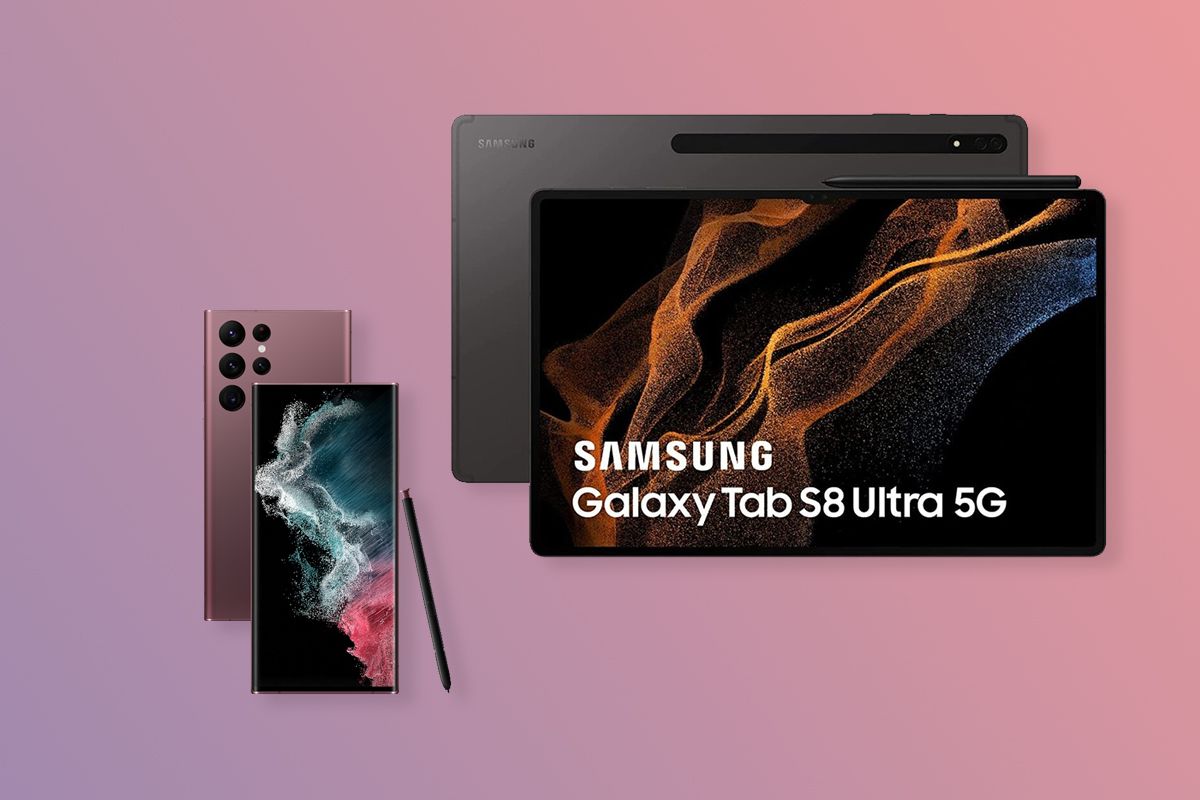
Just like the last year, Samsung’s 2022 flagship lineup is expected to feature three models: the Galaxy S22, Galaxy S22 Plus, and Galaxy S22 Ultra. All three models are rumored to pack Samsung’s in-house Exynos 2200 SoC (the US and India will probably get the Snapdragon 8 Gen 1). In terms of design, the standard Galaxy S22 and Galaxy S22+ are believed to retain the last year’s design, as seen in leaked renders. Both phones will reportedly feature a 50MP GN5 primary shooter.

The Galaxy S22 Ultra will be a top-tier offering and pack the best-in-class hardware. It would reportedly feature a curved display and an S Pen slot similar to the Galaxy Note lineup. It’s rumored to pack a big 5,000mAh battery and may support 45W fast wired charging. As per previous leaks, the phone will pack a quad-camera setup on the back featuring a 108MP primary shooter along with a 12MP ultra-wide camera, a 10MP 10x telephoto camera, and a 10MP 3x telephoto camera. The Galaxy S22 series is currently available for pre-order.

The post Samsung Galaxy S22 launch date may have just leaked appeared first on xda-developers.


from xda-developers https://ift.tt/3AwqhN6
via IFTTT

lundi 24 janvier 2022

Samsung Galaxy S22 launch date may have just leaked

Samsung’s next flagship lineup, Galaxy S22, is just around the corner. At this point, we already know pretty much everything about the new phones including their potential pricing. And thanks to a new leak, we now also know when it’s launching.

Earlier this week, Samsung officially confirmed that it was going to held a Galaxy Unpacked event in early February. However, the company didn’t reveal a launch date. But according to a promotional image shared by reliable tipster Evan Blass AKA @evleaks, the Galaxy S22 series launch will take place on February 9. The promotional image mentions the event will start at 15:00, but it’s unclear which time zone it’s pointing to. Previous rumors mentioned that the event was being held on Feb 8 but Samsung may have changed the plans later on. Either way, Samsung should have an official announcement regarding the launch date in the coming days so we will find out soon.

Galaxy Unpacked launch date

    Reserve the Galaxy S22 series and Galaxy Tab S8
    The Galaxy S22 and Galaxy Tab S8 are now avalable for pre-order. Pre-book yours today by following the link below to avail exciting launch offers.

Just like the last year, Samsung’s 2022 flagship lineup is expected to feature three models: the Galaxy S22, Galaxy S22 Plus, and Galaxy S22 Ultra. All three models are rumored to pack Samsung’s in-house Exynos 2200 SoC (the US and India will probably get the Snapdragon 8 Gen 1). In terms of design, the standard Galaxy S22 and Galaxy S22+ are believed to retain the last year’s design, as seen in leaked renders. Both phones will reportedly feature a 50MP GN5 primary shooter.

The Galaxy S22 Ultra will be a top-tier offering and pack the best-in-class hardware. It would reportedly feature a curved display and an S Pen slot similar to the Galaxy Note lineup. It’s rumored to pack a big 5,000mAh battery and may support 45W fast wired charging. As per previous leaks, the phone will pack a quad-camera setup on the back featuring a 108MP primary shooter along with a 12MP ultra-wide camera, a 10MP 10x telephoto camera, and a 10MP 3x telephoto camera. The Galaxy S22 series is currently available for pre-order.

The post Samsung Galaxy S22 launch date may have just leaked appeared first on xda-developers.


from xda-developers https://ift.tt/3AwqhN6
via IFTTT