LightBlog

lundi 20 décembre 2021

These are the Best Galaxy S21 thin cases to buy in 2021

The Samsung Galaxy S21 is a great-looking phone, but it’s also quite slippery thanks to a glass back. That isn’t a bad thing of course — who doesn’t love a nice, pretty-looking phone with a premium feel? However, a glass back is prone to breakage when dropped. You’ll want to protect your Galaxy S21, but if you aren’t looking to add bulk to the phone, getting a thin case would be a good idea. To help you in your search, we’ve rounded up some of the best thin cases for the Galaxy S21 you can buy right now.

The Galaxy S21 is relatively smaller compared to some other recent phones, so it’s rather easy to handle. Adding a case though would make it easier to grip in the hands and a thin case is the way to go if you want to maintain the slim form factor. Here are some of the best thin cases for the Galaxy S21 that you can get to provide minimal protection for your phone against scratches and minor drops. It’s also wise to pair a thin case with a good screen protector to make sure your display stays safe too.

    Samsung Silicone Cover

    Designed by Samsung

    Soft, lightweight and, more importantly thin, the Samsung Silicone Cover is the perfect way to keep your Galaxy S21 protected without feeling like you’ve covered the device with a brick.
    SUPCASE Unicorn Beetle Pro Series

    Complete protection

    Although thin cases add some protection to your phone, this SUPCASE case can offer complete peace of mind. It offers enhanced protection from everyday accidents. Moreover, it has a textured grip and packs a kickstand as well as a detachable rotating holster.

    Promoted

    Samsung Kvadrat Cover

    Slim and sturdy

    Speaking of soft and lightweight, the Samsung Kvadrat Cover is the perfect combination of thin and strong. Made of recycled materials, the case features a nice texture and a hook on the bottom, so you can attach a strap for easy carrying.
    Samsung Clear Cover

    Crystal clear

    The Samsung Clear Cover features a transparent design, so you can admire the Galaxy S21’s design while keeping it protected. It also includes a non-slip pattern on the sides for an extra secure grip.
    I-Blason Cosmo Series

    Style and protection

    The i-Blason Cosmo Series case sports an interesting look and its back cover will certainly turn heads. The case is made of TPU for enhanced protection and has raised edges to safeguard your Galaxy S21’s front. You can buy it in three color options.

    Promoted

    Meifigno Protective Case

    Military-grade protection

    The Meifigno Protective Case features military-grade protection, raised edges to keep your screen and camera lenses safe, and a durable design with a nano oleophobic coating.
    Crave Slim Guard

    Colorful protection

    The Crave Slim Guard is a great thin case for the Galaxy S21. It's made of TPU, rubber, and polycarbonate to provide great protection against scratches, drops, and other everyday mishaps. The case also comes with raised edges around the camera module and on the front.
    Restoo Slim Clear Case

    Clear as day

    Want a case to protect your phone and still show off its design and color? The Restoo Clear Case has you covered with a clear, rigid design that's perfectly paired with one of the many gorgeous Galaxy S21 colors.
    Caseology Vault Case

    Tough and flexible

    Caseology cases are built to last, and the Vault for the Galaxy S21 is no different. It features a shockproof design and materials that feel thin and lightweight, so the device won’t feel bulky in your hands.
    Torras Diamond Series Case

    Clear, slim, tough

    If you want a transparent clear case that's not bulky, Torras makes the Diamond Series cases for the Galaxy S21. This is a hard case that lets you see the back of your phone while still giving some protection.
    Spigen Thin Fit Case

    Spigen quality, Spigen slim

    Want to make your phone as protected as possible without bulk? Spigen is here to save the day. This soft rubber case will protect from shocks and falls, while still making it easy to hold onto.
    Fingic Galaxy S21 Case

    Hold onto your phone

    Fingic's case is almost too thick for a slim case, but this is still pretty slim, and this case has a clear advantage over the others -- a finger ring! The rubber case will also protect against shocks and is resistant to fingerprints.

The worst thing that can happen to a new phone is for it to get damaged. But you also don’t want to cover it in a massive case. A thin case will protect the Galaxy S21 while ensuring it remains svelte, almost as if the case isn’t even there. Many of our picks are similar in style, so it’s about finding the right balance of function and design that works best for you.

If you don’t mind your case being super-slim, the Samsung Silicone Cover is a great option. It will give your device an extra layer of protection without adding much bulk. If you simply want the most protection possible, try the Spigen Thin Fit. There are several other options as well.
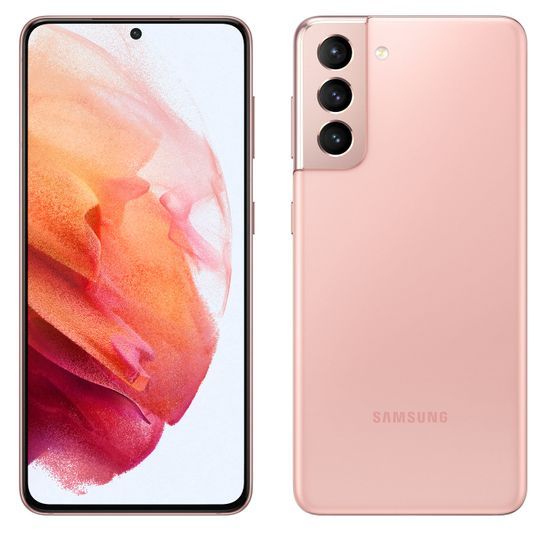
    Samsung Galaxy S21
    The Samsung Galaxy S21 is the starting point of the new 2021 flagship series, packing in a flagship SoC, along with a decent display and camera setup.

Which slim case are you planning to buy for your phone? Let us know in the comments section.

The post These are the Best Galaxy S21 thin cases to buy in 2021 appeared first on xda-developers.


from xda-developers https://ift.tt/35SYNn6
via IFTTT

LG’s first UltraGear gaming laptop has a 300Hz display and RTX graphics

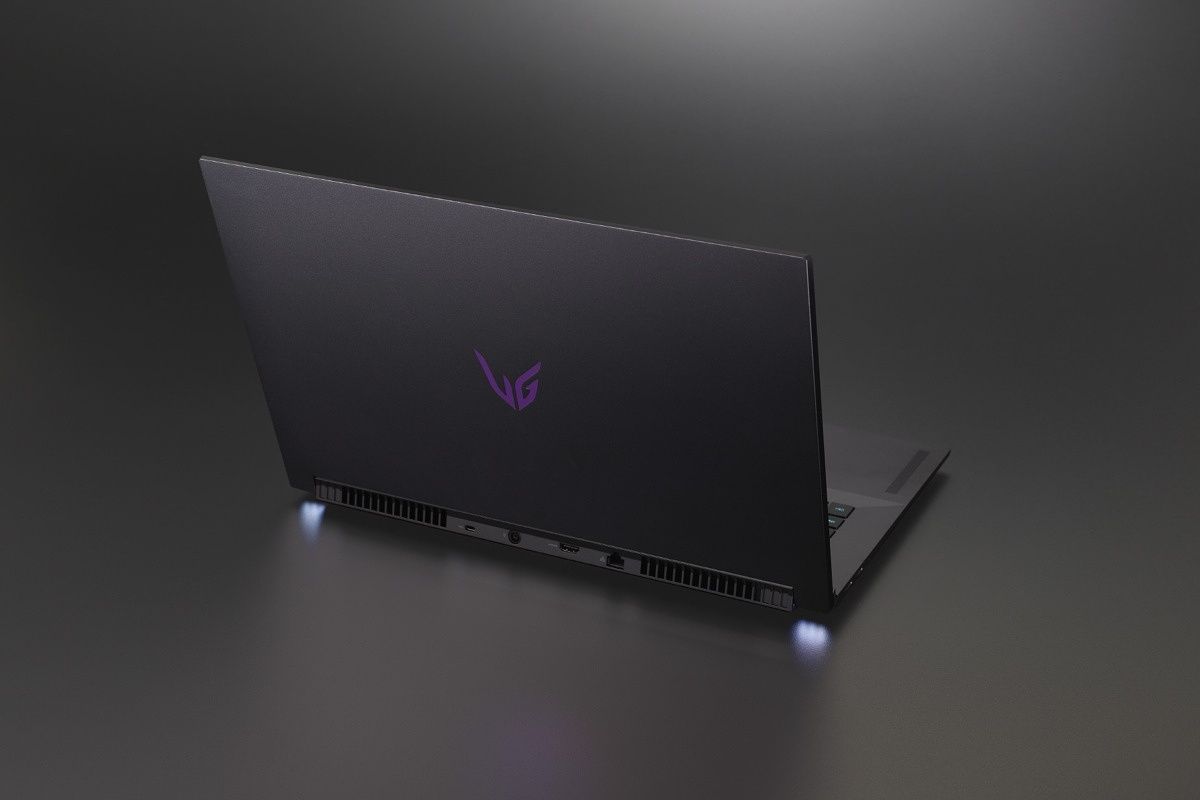
LG’s pre-CES announcements are well underway, and today the company announced its first-ever UltraGear gaming laptop UltraGear is LG’s gaming brand, and it’s mostly been focused on monitors, but now we’re getting a high-end gaming laptop out of it, too. The model number for this new laptop is 17G90Q.

As you’d expect, the LG UltraGear 17G90Q comes with some powerful high-end specs, starting with an 11th-generation Intel H-series processor. LG didn’t say exactly which processor it is, but it seems likely that it would be a Core i7-11800H. It also includes an NVIDIA GeForce RTX 3080 Max-Q graphics card, meaning you’ll have plenty of power to run the latest games. Additionally, you get up to 32GB of DDR4 RAM (with two RAM slots), plus up to 1TB of storage, with two M.2 slots allowing you to expand later.

As the model number suggests, the laptop includes a 17.3-inch display, coming in Full HD (1920 x 1080) resolution, and a 300Hz refresh rate for an ultra-smooth gaming experience. It’s an IPS panel with a 1ms response time when the refresh rate is set to 300Hz. It also covers 99% of sRGB, which is about what you’d expect from this kind of display. Somewhat surprisingly, there’s also a Full HD webcam above that display, complete with Windows Hello facial recognition support. That’s not something you see on a lot of gaming laptops.

LG UltraGear 17G90Q angle rear view

All of that is powered by a large 93Wh battery, so battery life should be fairly solid all things considered. LG touts the UltraGear 17G90Q as being lightweight for a gaming laptop, measuring 21.4mm in thickness and weighing just under 6lbs. Obviously that’s not thin or light, but for a powerful 17-inch gaming laptop, it’s actually one of the lighter devices around.

It wouldn’t be a proper gaming laptop without some RGB lighting, so the keyboard on the UltraGear 17G90Q laptop features per-key customizable lighting. That, alongside gaming features like being able to see your CPU and GPU clock, memory share rate, and so on, resides in the UltraGear Studio app included with the laptop.

LG didn’t announce a price for the UltraGear 17G90Q gaming laptop, but it will be making its debut in South Korea and the US in early 2022. Last week, LG made its first big CES announcement in the form of new OLED monitors for creative professionals.

The post LG’s first UltraGear gaming laptop has a 300Hz display and RTX graphics appeared first on xda-developers.


from xda-developers https://ift.tt/3eaCUDq
via IFTTT

dimanche 19 décembre 2021

WhatsApp may soon allow group admins to delete incoming messages

WhatsApp is testing a new feature that will give more power to group admins. While WhatsApp has long supported the ability to delete messages in chats, it currently doesn’t allow admins to remove messages sent by group members. But that can be changing soon.

As spotted by WABetainfo, the Meta-owned instant messaging app is testing a new change that may finally enable admins to delete messages for everyone in groups. What this means is that if you’re moderating a WhatsApp group, you’ll be able to remove unwanted or inappropriate messages sent by group members.


When a message is removed, WhatsApp will indicate that “This was deleted by an admin” and will also display who deleted the message.

A group chat in WhatsApp displaying "This was removed by an admin"

As WABetoinfo notes, this feature is still a work in progress and isn’t accessible to end-users. We don’t know when WhatsApp plans to roll it out to everyone. Provided WhatsApp doesn’t scrap it, the feature will most likely first arrive on WhatsApp beta before making its way to the stable channel.

The ability to delete messages for everyone comes after we learned last month that WhatsApp was considering to remove the time limit for deleting messages. Currently, WhatsApp users have 4,096 seconds (68 minutes and 16 seconds) to delete a message after it was sent. But it looks in the future WhatsApp may let you delete any message you sent at any point in history.

WhatsApp has picked up several new features and improvements over the past few weeks. Last month, the instant messaging app received regulatory approval to expand WhatsApp Pay, a UPI-powered payment service, to 40 million users in India. Then this month the app gained new Disappearing Messages options, Novi wallet integration for payments in the US, the ability to preview voice messages, and more.

The post WhatsApp may soon allow group admins to delete incoming messages appeared first on xda-developers.


from xda-developers https://ift.tt/32mMvo5
via IFTTT

This app lets you run Android Auto on a Tesla over the browser

There are a myriad of standards when it comes to pairing your smartphone with an In-Vehicle Infotainment (IVI) system. Android users are most familiar with Android Auto, a Google-made app that runs off of your phone and projects a driving-optimized UI onto the car’s built-in dashboard. Tesla, however, doesn’t support any such projection mechanism on its electric vehicles.

Tesla’s feature-rich dashboard is powered by a custom Linux distribution, which is tightly integrated with the car’s hardware components. While the modding community has yet to discover a way to completely replace it with Android, Tesla car owners can finally enjoy the Android Auto experience, thanks to a new app called TeslAA.

TeslAA showing Android apps

The solution is the brainchild of XDA Recognized Developer Emil Borconi, who is known for his works on the AAWireless project. Emil gave us an early glimpse of TeslAA back in June this year. Since then, the app has gone through a long beta testing phase and it is now available for everyone.

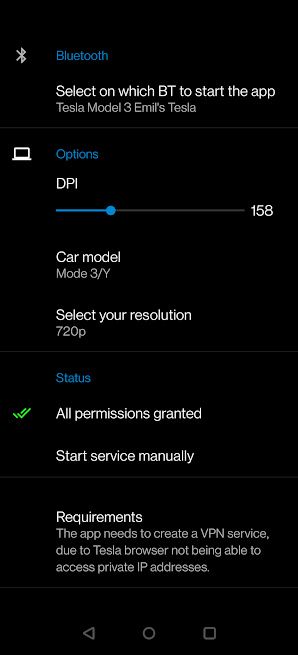
The workflow of TeslAA is quite straightforward. Upon installing the app on your phone, you need to connect the phone to your car via Bluetooth. Next, connect the Tesla Wi-Fi to your phone’s hotspot and head over to www.androidwheels.com using the Tesla browser. If everything goes right, you should be able to see the Android Auto screen on your center console.

TeslAA settings 1 TeslAA settings 2

Under the hood, TeslAA streams the Android Auto interface from your smartphone to the Tesla dashboard’s integrated browser via a local VPN interface. In case you’re facing any issue with the VPN setup, you can also opt for manual routing and set the phone’s IP to 3.3.3.3 for TeslAA to work. According to the developer, the application works best with Tesla models that support Netflix, YouTube, and Disney+.

There are, however, a few bugs that you need to consider. These include the stream becoming unresponsive after switching to reverse and the car disconnecting from the Wi-Fi hotspot when your phone loses signal for a long time. Nonetheless, the current implementation is sufficient to mirror some of the best Android apps to your Tesla’s dashboard.

TeslAA is priced at $4.99 and can be downloaded from the Google Play Store. If you own a Tesla vehicle and you’re interested in the Android Auto experience, be sure to check out the app.

TeslAA - Android Auto over Tesla Browser ($4.99, Google Play) →

The post This app lets you run Android Auto on a Tesla over the browser appeared first on xda-developers.


from xda-developers https://ift.tt/3GRa72W
via IFTTT

This app lets you run Android Auto on a Tesla over the browser

There are a myriad of standards when it comes to pairing your smartphone with an In-Vehicle Infotainment (IVI) system. Android users are most familiar with Android Auto, a Google-made app that runs off of your phone and projects a driving-optimized UI onto the car’s built-in dashboard. Tesla, however, doesn’t support any such projection mechanism on its electric vehicles.

Tesla’s feature-rich dashboard is powered by a custom Linux distribution, which is tightly integrated with the car’s hardware components. While the modding community has yet to discover a way to completely replace it with Android, Tesla car owners can finally enjoy the Android Auto experience, thanks to a new app called TeslAA.

TeslAA showing Android apps

The solution is the brainchild of XDA Recognized Developer Emil Borconi, who is known for his works on the AAWireless project. Emil gave us an early glimpse of TeslAA back in June this year. Since then, the app has gone through a long beta testing phase and it is now available for everyone.

The workflow of TeslAA is quite straightforward. Upon installing the app on your phone, you need to connect the phone to your car via Bluetooth. Next, connect the Tesla Wi-Fi to your phone’s hotspot and head over to www.androidwheels.com using the Tesla browser. If everything goes right, you should be able to see the Android Auto screen on your center console.

TeslAA settings 1 TeslAA settings 2

Under the hood, TeslAA streams the Android Auto interface from your smartphone to the Tesla dashboard’s integrated browser via a local VPN interface. In case you’re facing any issue with the VPN setup, you can also opt for manual routing and set the phone’s IP to 3.3.3.3 for TeslAA to work. According to the developer, the application works best with Tesla models that support Netflix, YouTube, and Disney+.

There are, however, a few bugs that you need to consider. These include the stream becoming unresponsive after switching to reverse and the car disconnecting from the Wi-Fi hotspot when your phone loses signal for a long time. Nonetheless, the current implementation is sufficient to mirror some of the best Android apps to your Tesla’s dashboard.

TeslAA is priced at $4.99 and can be downloaded from the Google Play Store. If you own a Tesla vehicle and you’re interested in the Android Auto experience, be sure to check out the app.

TeslAA - Android Auto over Tesla Browser ($4.99, Google Play) →

The post This app lets you run Android Auto on a Tesla over the browser appeared first on xda-developers.


from xda-developers https://ift.tt/3GRa72W
via IFTTT

How to delete voice history from Amazon Alexa, Google Assistant, and Apple’s Siri

Over the past few years, voice assistants have become quite common in households. Of course, all modern phones come with one in-built, plus smart speakers too have gained popularity. A Nest speaker, an Amazon Echo, or an Apple Homepod can be found in quite a lot of households these days. While it’s extremely convenient to use your voice to perform tasks, one of the biggest concerns with an always-on mic is privacy. These assistants listen to you and store your queries to improve accuracy and while that may sound beneficial, you may not want certain sensitive data to be saved. This is why deleting your assistant’s voice history from time to time is a good idea. Here’s how you can delete your voice history from Alexa, Google Assistant, and Siri using a few simple steps.

Note that the steps vary depending on the voice assistant you use. Some devices will let you erase your voice history via the speaker itself, while some may require you to do it via the app on your smartphone. We will mention all possible ways so you can follow the one that’s convenient to you.

Navigate this article:

How to Delete Voice History from Amazon Alexa

Amazon Echo Dot 3rd Gen

Amazon’s voice assistant — Alexa — is quite popular and can be very helpful too if you own an Echo speaker or device. It even comes pre-installed on Amazon’s Fire TV sticks. When you use Alexa on your Echo device or even on your smartphone, it stores your search queries and then uses it to learn and improve the way it responds to you. If you want to delete your voice history on Alexa, this is what you need to do.

Delete Alexa Voice History from your Smartphone

  • Open the Alexa app on your smartphone. These steps are valid on both Android and iOS devices.
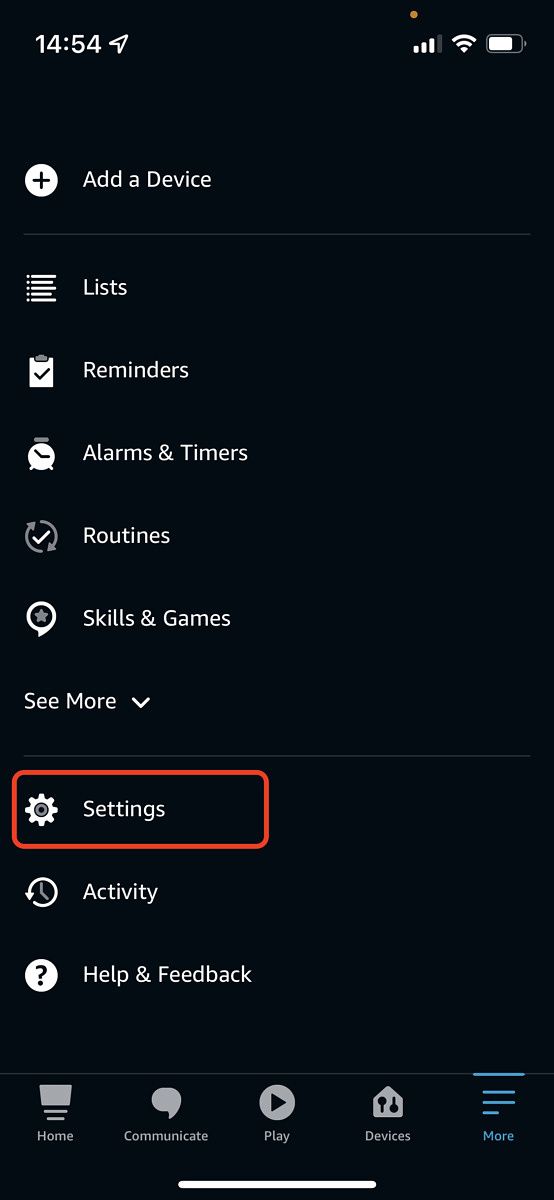
  • Select the More tab at the bottom of the screen and then go to Settings.
Alexa app homescreen Alexa app Settings
  • Now, tap on the Alexa Privacy option.

Alexa Privacy

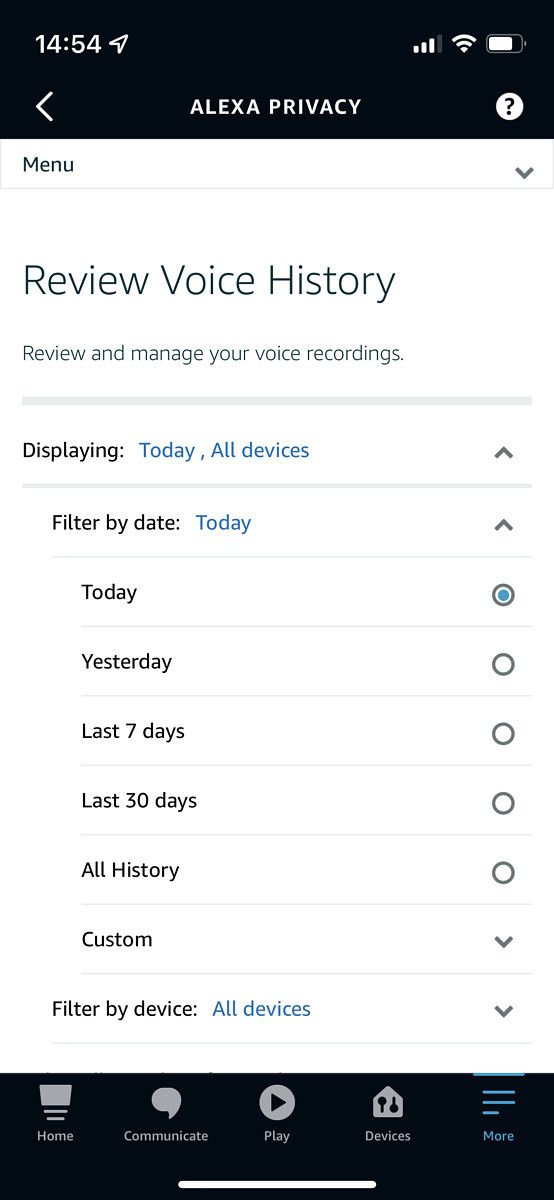
  • Choose the Review Voice History tab. Here, you can filter your voice history based on the date range.
Alexa Privacy settings Alexa history date range
  • Once you’ve selected your preferred date range, you can view your Alexa history.
  • You can manually delete selected recordings from this screen by tapping on the small arrow and selecting Delete Recording.

Delete voice history on Alexa app

  • If you wish to delete the entire history, select the Delete all of my recordings option.

Delete Alexa Voice History from an Echo Speaker/device

Before you can delete your Alexa voice history directly from the speaker, you will have to enable the option for the first time.

  • Open the Alexa app on your smartphone. These steps are valid on both Android and iOS devices.
  • Select the More tab at the bottom of the screen and then go to Settings.
Alexa app homescreen Alexa app Settings
  • Now, tap on the Alexa Privacy option.

Alexa Privacy

  • Choose the Manage Your Alexa Data tab.

Alexa manage your data

  • Here, toggle the Enable deletion by voice option on and hit Confirm.

Enable voice deletion option

  • Once you’ve enabled this, you can ask Alexa via your voice to delete your history.
  • You can say commands like:
    • “Alexa, Delete what I just said.”
    • “Alexa, Delete everything I said today.”
    • “Delete my entire voice history.”

Set Alexa Voice History to Auto-delete

If you wish for your Alexa voice history to be automatically deleted once every few months or you don’t want it to be saved at all, you can also do that from the Alexa app.

  • Open the Alexa app on your smartphone. These steps are valid on both Android and iOS devices.
  • Select the More tab at the bottom of the screen and then go to Settings.
Alexa app homescreen Alexa app Settings
  • Now, tap on the Alexa Privacy option.

Alexa Privacy

  • Choose the Manage Your Alexa Data tab.

Alexa manage your data

  • Select the Choose how long to save recordings option.

Auto-deletion of history

  • Here, you can select the desired duration for auto-deletion or select Do not save recordings if that’s what you want.

How to Delete Voice History from Google Assistant

Google Nest Audio

Google Assistant is undoubtedly one of the most common voice assistants out there for the simple fact that it comes pre-installed on all Android devices. Nest speakers and devices are also quite common and are often considered better than Echo devices in terms of the tasks they can perform. Regardless of whether you use Google Assistant on your smartphone, TV, or a Nest speaker, here’s how you can delete your voice history.

Delete Google Assistant Voice History from your Smartphone

Google Assistant history page

  • Here, you will be able to see your Google Assistant queries that you can sort by date.

Delete voice history

  • You can either delete each entry individually or select the Delete option below the search bar to delete your entire history.

Date range selection

  • Select the date range for which you wish to delete your search history and you’re done.

Delete Google Assistant Voice History with your Voice

You can directly use your voice to give certain commands and delete voice history on any device that has the Google Assistant including your smartphone or a Nest speaker. The commands can be as follows:

  • “Hey Google, delete my last conversation.”
  • “Hey Google, delete today’s activity.”
  • “Hey Google, delete this week’s activity.”
  • “Hey Google, that wasn’t for you” to delete the last thing you said.

Set Google Assistant Voice History to Auto-delete

Google Assistant history page

  • Select the Delete option below the search bar.

Delete voice history

  • Now, select the Set up automatic deletions option.

Date range selection

  • You will then be asked to select the duration for which you want to enable auto-deletion. You can choose from 3 months, 18 months, or 36 months.

Months for Google assistant voice history deletion

  • Choose the relevant option and select Next. You’ll be asked to confirm the deletion and you’re done.

How to Delete Voice History from Siri

HomePod Mini in five different colors

If you use any of Apple’s products, Siri comes integrated into the OS. This includes the iPhone, iPad, iPod, Mac, and even the Apple Watch. If you wish to delete your Siri voice history, there’s just one way to do it and that’s via the Siri settings on your device. You cannot use your voice to delete your Siri voice history via a HomePod.

Delete Siri Voice History from your iPhone or iPad

  • Go to the Settings app on your iPhone or iPad and scroll down to find Siri & Search.

Siri and Search on iPhone

  • Under this setting, you’ll find the Siri & Dictation History option.

Siri and Dictation voice history

  • Tap on it and you will find an option to Delete Siri & Dictation History.

Delete Siri voice history

  • Select the option and you will be asked to confirm the process. That’s pretty much it.

Delete Siri Voice History from your Mac

  • Click on the Apple logo on the top left corner of your Mac and select System Preferences.
  • Now, click on Siri which will lead you to Siri settings.

System Preferences Siri settings

  • Select the Delete Siri & Dictation History option next to Siri History.

Delete Siri voice history

  • You will be asked for confirmation. Select Delete and you’re done.

Delete Siri Voice History on a HomePod

As mentioned earlier, you cannot delete your Siri voice history directly from a HomePod. You will have to do it via the Home app on your iPhone.

  • Open the Home app on your iPhone.
  • Press and hold the HomePod icon to bring up its settings.
  • You’ll find the Siri History option.
  • Select Delete Siri History and you’re good to go.

Unlike the other two assistants, you cannot set Siri voice data to auto-delete after a certain time interval. You will have to delete the data manually from time to time.


As you can see, deleting your assistant’s voice history is quite straightforward and only involves a few easy steps. It’s a good idea to delete your history from time to time for privacy concerns or just to make sure there’s no sensitive data that’s being sent to the company’s servers.

If you’re concerned about your online privacy, you might want to consider taking additional steps like turning on auto-delete for your Google data or deleting your Facebook account. Some browser extensions can also snoop on your data so it’s wise to delete the extensions you don’t use.

The post How to delete voice history from Amazon Alexa, Google Assistant, and Apple’s Siri appeared first on xda-developers.


from xda-developers https://ift.tt/3emKr2d
via IFTTT