LightBlog

mardi 9 mars 2021

If you are having trouble receiving OTP SMS in India, you are not alone

If you have been facing issues getting an OTP (one-time-password) from your bank, eCommerce platform, or other services, then you are not alone. In India, there has been a nationwide disruption in the SMS service as industry sources suggest that the cause of this are the new SMS regulations. These regulations have been enforced by the Telecom Regulatory Authority of India (TRAI) to control SMS fraud, but it appears to have also caused a number of problems in the process. What this essentially means is that you could face long delays to get an OTP while authenticating payments or even two-factor authentication to log into your accounts online.

While telecom operators have not issued any statements regarding the issue, a report from NDTV Gadgets suggests that a new DLT (Distributed Ledger Technology) process is being deployed which has led to a delay in push notifications. DLT is consensually shared and synchronized across multiple sites, institutions, or geographies, accessible by multiple people, and is similar to a blockchain-based registration system. According to Corefactors, an engineered marketing and communications solutions company, TRAI has asked telemarketers to register themselves on the DLT platform. By doing so, TRAI is making an effort to reduce SMS spam that you get every day from various marketing firms.

According to The Economic Times, around 40% of traffic out of the billion average daily commercial SMS deliveries was disrupted till Monday evening. The failure rate among top private and public sector banks was over 25%. TRAI’s new regulations on unsolicited commercial communication were implemented on Monday, March 8, where it mandated that telcos verify every SMS content with a registered text before delivering it. The blockchain-based system checks the sender ID, called the header, and content of every commercial SMS originating from a registered source while SMSes from unregistered sender IDs are blocked.

The implementation of this new system reportedly has not gone smoothly, due to which a lot of people have been facing issues. I personally faced an issue in the morning while transferring money from my bank account as I was unable to get an OTP even after waiting for 30-minutes. Gadgets 360 additionally confirms that the issue is not specific to a certain telecom operator as both Vodafone and Airtel subscribers have been facing issues.

It is surprising to see that neither telecom operators nor financial institutions including banks have sent out a statement regarding the issue. We suggest that you should avoid using any service that involves receiving an OTP via SMS for authentication until further notice from TRAI, as far as feasible. But considering how widely preferred OTP SMS has become in the past few years, we doubt you can stay unaffected.

The post If you are having trouble receiving OTP SMS in India, you are not alone appeared first on xda-developers.


from xda-developers https://ift.tt/3t1QAG7
via IFTTT

Remap the Google Assistant button on the Sony Xperia 5 II with this app

Sony is no longer the kingpin in the smartphone industry it used to be some five years ago. Despite much lower sales than brands like Samsung and Apple, it has been launching promising smartphones with impressive specifications. Last year’s Sony Xperia 5 II is one such phone that comes with Snapdragon 865, a 120Hz OLED display, IP68 water and dust resistance, and more. Surprisingly, the Xperia 5 II still features a headphone jack to complement the dual speakers and comes with a 21:9 display for immersive viewing. However, in contrast to these practical features, it also comes with a dedicated Google Assistant button that has only one utility. While there is no official method to utilize this button but to invoke the Google Assistant, an unofficial mod called “XPERI+” lets you remap this button for other functions.

XPERI+ is created by developer Ivan Iskandar, who has shared a tutorial to use the app on GitHub as well as Reddit. Besides letting you remap the controls on the Google Assistant button, it also adds a bunch of extra features such as Flip to Shush, accidental touch protection, and add-ons to keep the screen and/or CPU awake while you are not using the phone.

Download XPERI+ for Sony Xperia 5 II/1 II

To reconfigure the function Google Assistant button using XPERI+, you need to grab the APK installer from the link above and install it. Once you install the app, you will need to grant READ_LOGS permission using either ADB or via root. After granting this permission, you can assign the Xperia 5 II’s Google Assistant button to either launch an app or activate a shortcut.

In addition to remapping the Google Assistant button, the XPERI+ app can also be used to activate Flip to Shush (exactly like the Flip to Shhh feature on Pixel smartphones). This feature lets you activate Do Not Disturb on your Xperia 5 II by placing it facing downwards.

The XPERI+ app also brings Accidental Touch Prevention, which — as the name suggests — prevents accidental screen touches when the proximity sensor is covered. It also works when the phone gets unlocked, preventing any touches even if you accidentally touch the side-mounted fingerprint scanner while the phone is in your bag or pocket.

The app also brings features called “Coffee,” which keeps the display on the Xperia 5 II awake until you manually lock it, and “Tea,” which keeps the CPU awake while the screen can be turned off by blocking the proximity sensor. Both of these features can also be activated via Quick Settings tiles.

Sony Xperia 5 II XDA Forums || Sony Xperia 1 II XDA Forums

While XPERI+ is crafted while keeping the Sony Xperia 5 II and the Xperia 1 II in mind, you should be able to run it on other recently launched Xperia phones as well. Notably, Flip to Shush might only work if you activate them while the screen is turned on while using the app on other devices.

The post Remap the Google Assistant button on the Sony Xperia 5 II with this app appeared first on xda-developers.


from xda-developers https://ift.tt/3btUxh2
via IFTTT

Remap the Google Assistant button on the Sony Xperia 5 II with this app

Sony is no longer the kingpin in the smartphone industry it used to be some five years ago. Despite much lower sales than brands like Samsung and Apple, it has been launching promising smartphones with impressive specifications. Last year’s Sony Xperia 5 II is one such phone that comes with Snapdragon 865, a 120Hz OLED display, IP68 water and dust resistance, and more. Surprisingly, the Xperia 5 II still features a headphone jack to complement the dual speakers and comes with a 21:9 display for immersive viewing. However, in contrast to these practical features, it also comes with a dedicated Google Assistant button that has only one utility. While there is no official method to utilize this button but to invoke the Google Assistant, an unofficial mod called “XPERI+” lets you remap this button for other functions.

XPERI+ is created by developer Ivan Iskandar, who has shared a tutorial to use the app on GitHub as well as Reddit. Besides letting you remap the controls on the Google Assistant button, it also adds a bunch of extra features such as Flip to Shush, accidental touch protection, and add-ons to keep the screen and/or CPU awake while you are not using the phone.

Download XPERI+ for Sony Xperia 5 II/1 II

To reconfigure the function Google Assistant button using XPERI+, you need to grab the APK installer from the link above and install it. Once you install the app, you will need to grant READ_LOGS permission using either ADB or via root. After granting this permission, you can assign the Xperia 5 II’s Google Assistant button to either launch an app or activate a shortcut.

In addition to remapping the Google Assistant button, the XPERI+ app can also be used to activate Flip to Shush (exactly like the Flip to Shhh feature on Pixel smartphones). This feature lets you activate Do Not Disturb on your Xperia 5 II by placing it facing downwards.

The XPERI+ app also brings Accidental Touch Prevention, which — as the name suggests — prevents accidental screen touches when the proximity sensor is covered. It also works when the phone gets unlocked, preventing any touches even if you accidentally touch the side-mounted fingerprint scanner while the phone is in your bag or pocket.

The app also brings features called “Coffee,” which keeps the display on the Xperia 5 II awake until you manually lock it, and “Tea,” which keeps the CPU awake while the screen can be turned off by blocking the proximity sensor. Both of these features can also be activated via Quick Settings tiles.

Sony Xperia 5 II XDA Forums || Sony Xperia 1 II XDA Forums

While XPERI+ is crafted while keeping the Sony Xperia 5 II and the Xperia 1 II in mind, you should be able to run it on other recently launched Xperia phones as well. Notably, Flip to Shush might only work if you activate them while the screen is turned on while using the app on other devices.

The post Remap the Google Assistant button on the Sony Xperia 5 II with this app appeared first on xda-developers.


from xda-developers https://ift.tt/3btUxh2
via IFTTT

Moto G30 and Moto G10 Power launched in India as budget-friendly offerings

Motorola today announced the Moto G30 and Moto G10 Power in India. Both phones had already launched in Europe last month, but the company has decided to rebrand the Moto G10 to Moto G10 Power for the Indian market.

Moto G30: Specifications

Specification Moto G30
Dimensions and Weight
  • 165.22 x 75.73 x 9.14mm
  • 200g
  • Plastic build
Display
  • 6.5-inch LCD
  • 90Hz screen refresh rate
  • 1600 x 720 (HD+)
SoC
  • Qualcomm Snapdragon 662:
    • 4 x performance and 4 x efficiency Kryo 260 CPU cores (Up to 2.0GHz)
    • 11nm
  • Adreno 610 GPU
RAM and Storage
  • 4GB/6GB RAM
  • 128GB flash storage
  • MicroSD card support
Battery & Charging
  • 5,000 mAh battery
  • 20W fast charger (inside the box)
Rear Camera
  • Primary: 64MP Quad Pixel f/1.7
  • Secondary: 8MP f/2.2 wide-angel 118-degree
  • Tertiary: 2MP f/2.4 bokeh
  • Quarternary: 2MP f/2.4 macro
Front Camera
  • 13MP f/2.2
Ports
  • USB Type-C port
  • 3.5mm headphone jack
Connectivity
  • 4G LTE
  • Bluetooth 5.0
  • NFC
  • Type-C port
  • WiFi 802.11.b/g/n/ac (2.4GHz + 5GHz)
Other features
  • Rear-mounted fingerprint reader
  • Bottom-mounted speaker
  • Dedicated Google Assistant key
  • IP52 rating
Software Android 11

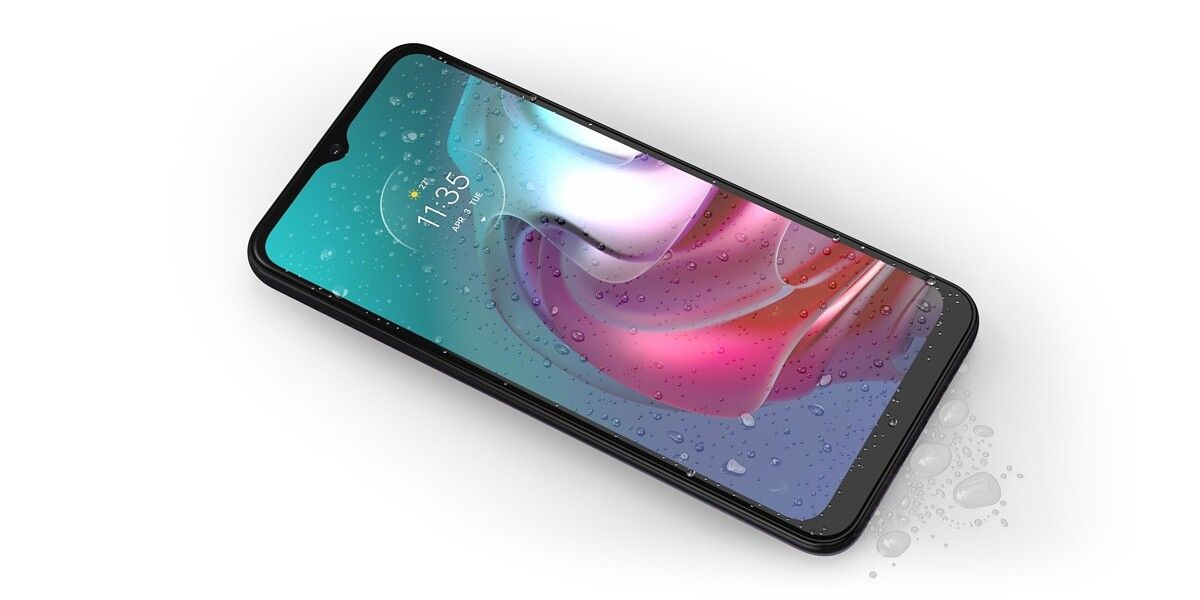
In terms of specifications, the Moto G30 uses a 6.5-inch HD+ LCD with a 90Hz screen refresh rate. Under the hood, it’s powered by the Qualcomm Snapdragon 662 SoC, paired with 4GB RAM and 64GB flash storage. It also has a quad-camera array on the back comprised of a 64MP f/1.7 primary shooter, an 8MP ultra-wide sensor, and 2MP macro and depth sensors. All of this is powered by a 5,000mAh battery that charges via a 20W fast charger. Other notable features include NFC, Android 11, Bluetooth 5.0, a rear-mounted fingerprint scanner, and a 3.5mm audio jack.

Moto G10 front Moto G30 back

Moto G10 Power: Specifications

Specification Moto G10 Power
Dimensions and Weight
  • 165.22 x 75.73 x 9.19mm
  • 220g
Display
  • 6.5-inch IPS LCD
  • 1600 x 720 (HD+)
SoC
  • Qualcomm Snapdragon 460:
    • 4 x ARM Cortex-A73 performance and 4 x ARM Cortex-A53 efficiency cores (Up to 2.0GHz)
    • 11nm
  • Adreno 610 GPU
RAM and Storage
  • 4GB RAM
  • 128GB flash storage
  • MicroSD card support
Battery & Charging
  • 6,000 mAh battery
  • 20W fast charger
Rear Camera
  • Primary: 48MP Quad Pixel f/1.79
  • Secondary: 8MP f/2.2 wide-angel 118-degree
  • Tertiary: 2MP f/2.4 bokeh
  • Quarternary: 2MP f/2.4 macro
Front Camera
  • 8MP f/2.2
Ports
  • USB Type-C port
  • 3.5mm headphone jack
Connectivity
  • 4G LTE
  • Bluetooth 5.0
  • Type-C port
  • WiFi 802.11.b/g/n/ac (2.4GHz + 5GHz)
Other features
  • Rear-mounted fingerprint reader
  • Bottom-mounted speaker
  • Dedicated Google Assistant key
  • IP52 rating
Software
  • Android 11

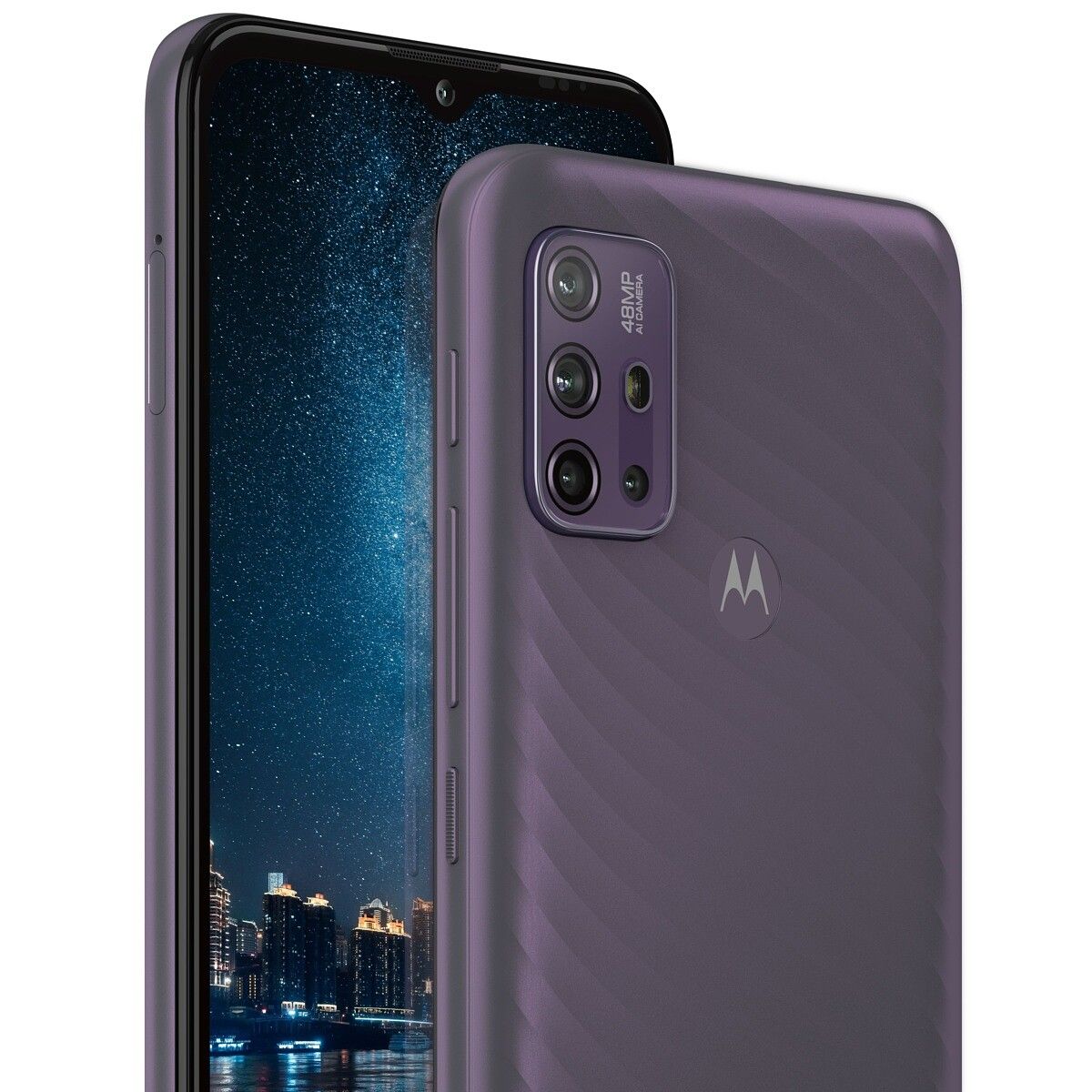
Although the Moto G10 Power is logically and theoretically a successor to the Moto G9 Power, it seems to be a downgrade over its predecessor on paper at least. It has the same 6.5-inch HD+ LCD but uses the less powerful Snapdragon 460 SoC, a step down from the Snapdragon 662 chipset. Similarly, the primary camera has also been downgraded from the 64MP to 48MP but now you get an additional 8MP ultra-wide shooter along with the 2MP macro and depth sensors. The 6,000mAh battery is unchanged — the European Moto G10 packs a 5,000mAh battery. Elsewhere, the Moto G10 Power comes with Android 11, a rear-mounted fingerprint scanner, Bluetooth 5.0, IP52 rating, a 3.5mm audio jack, and a single bottom-firing speaker.

Moto G30 Moto G10 back

Pricing & Availability

The Moto G30 comes in only one variant, 4GB/64GB, which is priced at ₹10,999 (~$150) and will go on sale from Flipkart on March 17 at 12 PM IST. Pricing for the Moto G10 is set at ₹9,999 (~$136) for the 4GB/64GB model. It will be available from Flipkart from March 16 at 12 PM IST.

The post Moto G30 and Moto G10 Power launched in India as budget-friendly offerings appeared first on xda-developers.


from xda-developers https://ift.tt/3sZFx0c
via IFTTT

lundi 8 mars 2021

Moto G30 and Moto G10 Power launched in India as budget-friendly offerings

Motorola today announced the Moto G30 and Moto G10 Power in India. Both phones had already launched in Europe last month, but the company has decided to rebrand the Moto G10 to Moto G10 Power for the Indian market.

Moto G30: Specifications

Specification Moto G30
Dimensions and Weight
  • 165.22 x 75.73 x 9.14mm
  • 200g
  • Plastic build
Display
  • 6.5-inch LCD
  • 90Hz screen refresh rate
  • 1600 x 720 (HD+)
SoC
  • Qualcomm Snapdragon 662:
    • 4 x performance and 4 x efficiency Kryo 260 CPU cores (Up to 2.0GHz)
    • 11nm
  • Adreno 610 GPU
RAM and Storage
  • 4GB/6GB RAM
  • 128GB flash storage
  • MicroSD card support
Battery & Charging
  • 5,000 mAh battery
  • 20W fast charger (inside the box)
Rear Camera
  • Primary: 64MP Quad Pixel f/1.7
  • Secondary: 8MP f/2.2 wide-angel 118-degree
  • Tertiary: 2MP f/2.4 bokeh
  • Quarternary: 2MP f/2.4 macro
Front Camera
  • 13MP f/2.2
Ports
  • USB Type-C port
  • 3.5mm headphone jack
Connectivity
  • 4G LTE
  • Bluetooth 5.0
  • NFC
  • Type-C port
  • WiFi 802.11.b/g/n/ac (2.4GHz + 5GHz)
Other features
  • Rear-mounted fingerprint reader
  • Bottom-mounted speaker
  • Dedicated Google Assistant key
  • IP52 rating
Software Android 11

In terms of specifications, the Moto G30 uses a 6.5-inch HD+ LCD with a 90Hz screen refresh rate. Under the hood, it’s powered by the Qualcomm Snapdragon 662 SoC, paired with 4GB RAM and 64GB flash storage. It also has a quad-camera array on the back comprised of a 64MP f/1.7 primary shooter, an 8MP ultra-wide sensor, and 2MP macro and depth sensors. All of this is powered by a 5,000mAh battery that charges via a 20W fast charger. Other notable features include NFC, Android 11, Bluetooth 5.0, a rear-mounted fingerprint scanner, and a 3.5mm audio jack.

Moto G10 front Moto G30 back

Moto G10 Power: Specifications

Specification Moto G10 Power
Dimensions and Weight
  • 165.22 x 75.73 x 9.19mm
  • 220g
Display
  • 6.5-inch IPS LCD
  • 1600 x 720 (HD+)
SoC
  • Qualcomm Snapdragon 460:
    • 4 x ARM Cortex-A73 performance and 4 x ARM Cortex-A53 efficiency cores (Up to 2.0GHz)
    • 11nm
  • Adreno 610 GPU
RAM and Storage
  • 4GB RAM
  • 128GB flash storage
  • MicroSD card support
Battery & Charging
  • 6,000 mAh battery
  • 20W fast charger
Rear Camera
  • Primary: 48MP Quad Pixel f/1.79
  • Secondary: 8MP f/2.2 wide-angel 118-degree
  • Tertiary: 2MP f/2.4 bokeh
  • Quarternary: 2MP f/2.4 macro
Front Camera
  • 8MP f/2.2
Ports
  • USB Type-C port
  • 3.5mm headphone jack
Connectivity
  • 4G LTE
  • Bluetooth 5.0
  • Type-C port
  • WiFi 802.11.b/g/n/ac (2.4GHz + 5GHz)
Other features
  • Rear-mounted fingerprint reader
  • Bottom-mounted speaker
  • Dedicated Google Assistant key
  • IP52 rating
Software
  • Android 11

Although the Moto G10 Power is logically and theoretically a successor to the Moto G9 Power, it seems to be a downgrade over its predecessor on paper at least. It has the same 6.5-inch HD+ LCD but uses the less powerful Snapdragon 460 SoC, a step down from the Snapdragon 662 chipset. Similarly, the primary camera has also been downgraded from the 64MP to 48MP but now you get an additional 8MP ultra-wide shooter along with the 2MP macro and depth sensors. The 6,000mAh battery is unchanged — the European Moto G10 packs a 5,000mAh battery. Elsewhere, the Moto G10 Power comes with Android 11, a rear-mounted fingerprint scanner, Bluetooth 5.0, IP52 rating, a 3.5mm audio jack, and a single bottom-firing speaker.

Moto G30 Moto G10 back

Pricing & Availability

The Moto G30 comes in only one variant, 4GB/64GB, which is priced at ₹10,999 (~$150) and will go on sale from Flipkart on March 17 at 12 PM IST. Pricing for the Moto G10 is set at ₹9,999 (~$136) for the 4GB/64GB model. It will be available from Flipkart from March 16 at 12 PM IST.

The post Moto G30 and Moto G10 Power launched in India as budget-friendly offerings appeared first on xda-developers.


from xda-developers https://ift.tt/3sZFx0c
via IFTTT

Apple could soon start manufacturing the iPhone 12 in India

Apple will soon start manufacturing the iPhone 12 in India for domestic and export purposes, at the Foxconn facility in Tamil Nadu. Unconfirmed sources suggest that the company is planning to move about 7-10% of its production to India in a move to reduce its dependency on China as a manufacturing hub.

The iPhone 12 series that includes a total of four models, was launched in India last year in October, a few weeks after the global announcement. It is expected that Apple will take advantage of the Indian government’s production-linked incentive (PLI) scheme. Apart from the expected partnering with Foxconn, Wistron and Pegatron are also going to be the production partners of the iPhone 12. While Apple has not responded to the queries, Business Standard reports that the Wistron facility near Bengaluru was also supposed to manufacture the iPhone 12 mini, however, a final decision has not been made. It is possible that the weak demand for the smaller iPhone could be a factor. As for Pegatron, the manufacturing unit will most likely be ready during the middle of 2021.

Apple’s Indian production partners currently manufacture the iPhone SE, iPhone XR, and the iPhone 11. Just last month, there was news that the company could also start manufacturing the iPad in India. The government had reportedly approved a proposal to offer an incentive of about 1.02 billion dollars to give a push to local manufacturing and exports of IT products. The PLI scheme also provides manufacturers cashback of between 1% to 4% of additional sales of locally made goods over four years, with 2019-2020 as the base year. The production of the iPhone 12 and the iPad in India could potentially mean a price drop for customers in the country, as was the case with the iPhone SE and iPhone XR. Having said that, there is no confirmation as to when the ‘Made in India’ iPhone 12 or iPad will make their way to stores. There’s also no word on if these plans involve the upcoming iPhone 13 at this stage.

The post Apple could soon start manufacturing the iPhone 12 in India appeared first on xda-developers.


from xda-developers https://ift.tt/3v7zFUw
via IFTTT

Apple could soon start manufacturing the iPhone 12 in India

Apple will soon start manufacturing the iPhone 12 in India for domestic and export purposes, at the Foxconn facility in Tamil Nadu. Unconfirmed sources suggest that the company is planning to move about 7-10% of its production to India in a move to reduce its dependency on China as a manufacturing hub.

The iPhone 12 series that includes a total of four models, was launched in India last year in October, a few weeks after the global announcement. It is expected that Apple will take advantage of the Indian government’s production-linked incentive (PLI) scheme. Apart from the expected partnering with Foxconn, Wistron and Pegatron are also going to be the production partners of the iPhone 12. While Apple has not responded to the queries, Business Standard reports that the Wistron facility near Bengaluru was also supposed to manufacture the iPhone 12 mini, however, a final decision has not been made. It is possible that the weak demand for the smaller iPhone could be a factor. As for Pegatron, the manufacturing unit will most likely be ready during the middle of 2021.

Apple’s Indian production partners currently manufacture the iPhone SE, iPhone XR, and the iPhone 11. Just last month, there was news that the company could also start manufacturing the iPad in India. The government had reportedly approved a proposal to offer an incentive of about 1.02 billion dollars to give a push to local manufacturing and exports of IT products. The PLI scheme also provides manufacturers cashback of between 1% to 4% of additional sales of locally made goods over four years, with 2019-2020 as the base year. The production of the iPhone 12 and the iPad in India could potentially mean a price drop for customers in the country, as was the case with the iPhone SE and iPhone XR. Having said that, there is no confirmation as to when the ‘Made in India’ iPhone 12 or iPad will make their way to stores. There’s also no word on if these plans involve the upcoming iPhone 13 at this stage.

The post Apple could soon start manufacturing the iPhone 12 in India appeared first on xda-developers.


from xda-developers https://ift.tt/3v7zFUw
via IFTTT