LightBlog

mardi 9 février 2021

Red Magic Watch breaks cover in FCC filing, key details revealed

Nubia’s Red Magic, a brand best known for gaming smartphones, is seemingly gearing up to release a smartwatch. The wearable, seemingly called Red Magic Watch, is expected to feature everything you’d want from a smartwatch, including a heart rate sensor.

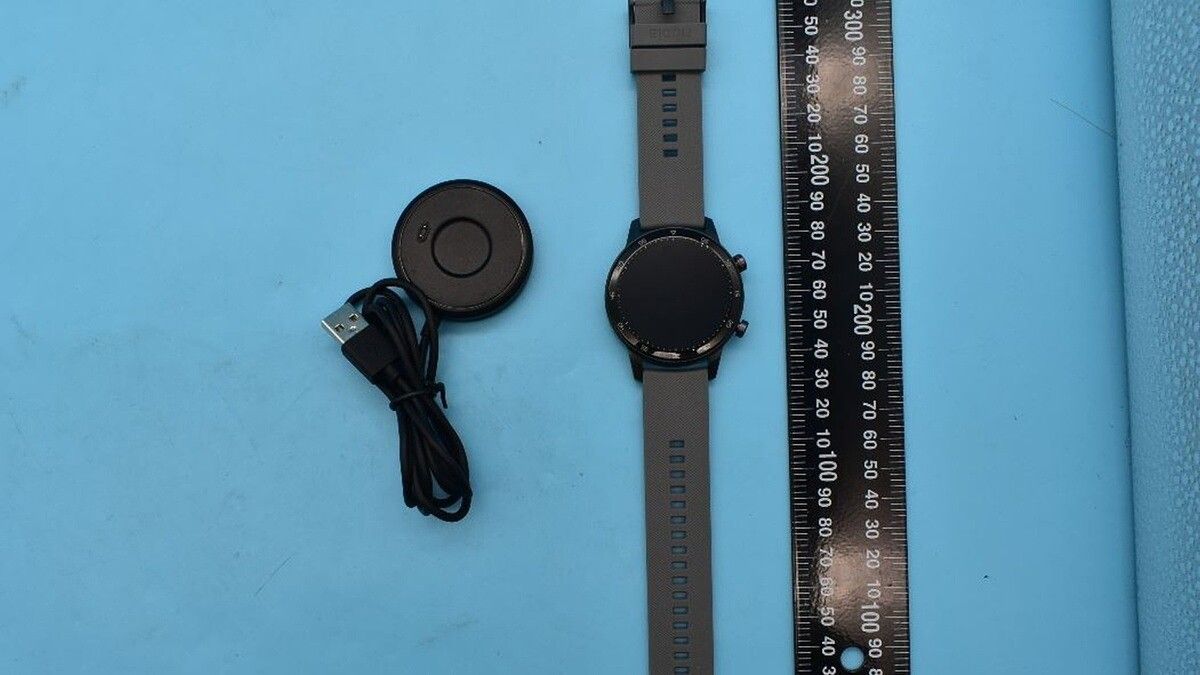
Spotted in an FCC filing (via Android Authority), the wearable is expected to feature a more traditional circular design with two crowns on the right side. In the pictures uncovered in the filing, it looks like any old watch you might find in a dresser drawer.

The two crowns on the right side will serve an important purpose, however. The filing reveals one of them will be used to turn the display on and off, while the other is a shortcut button; the button will seemingly allow users to easily perform a specified action.
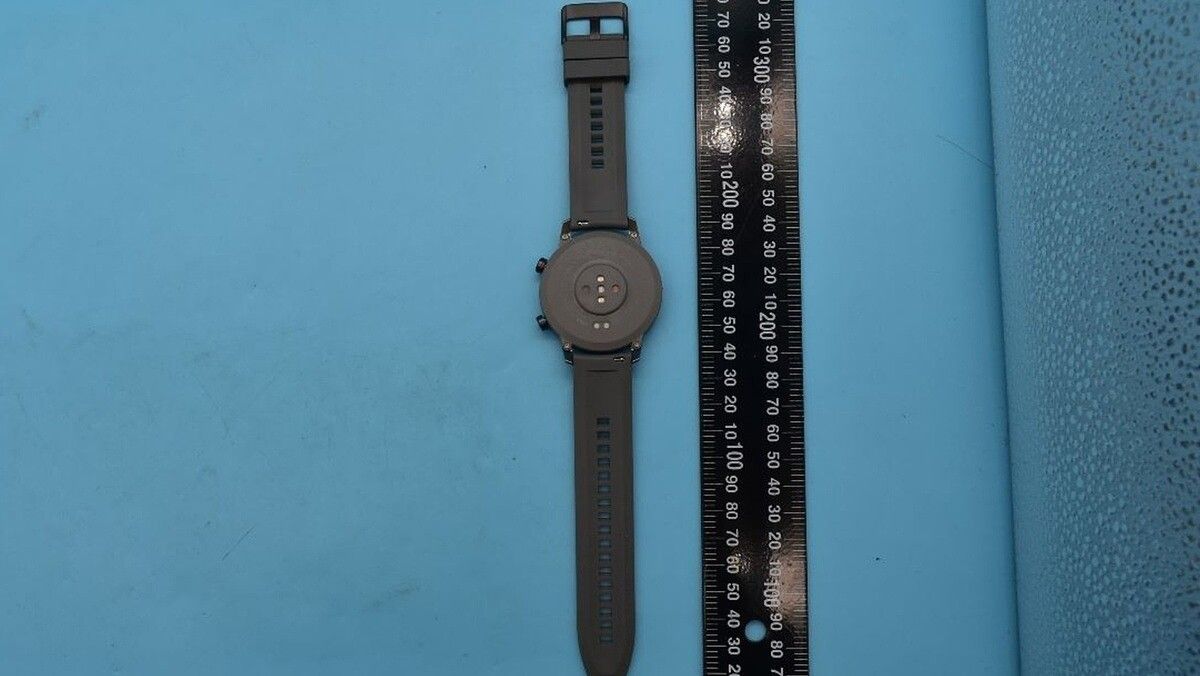
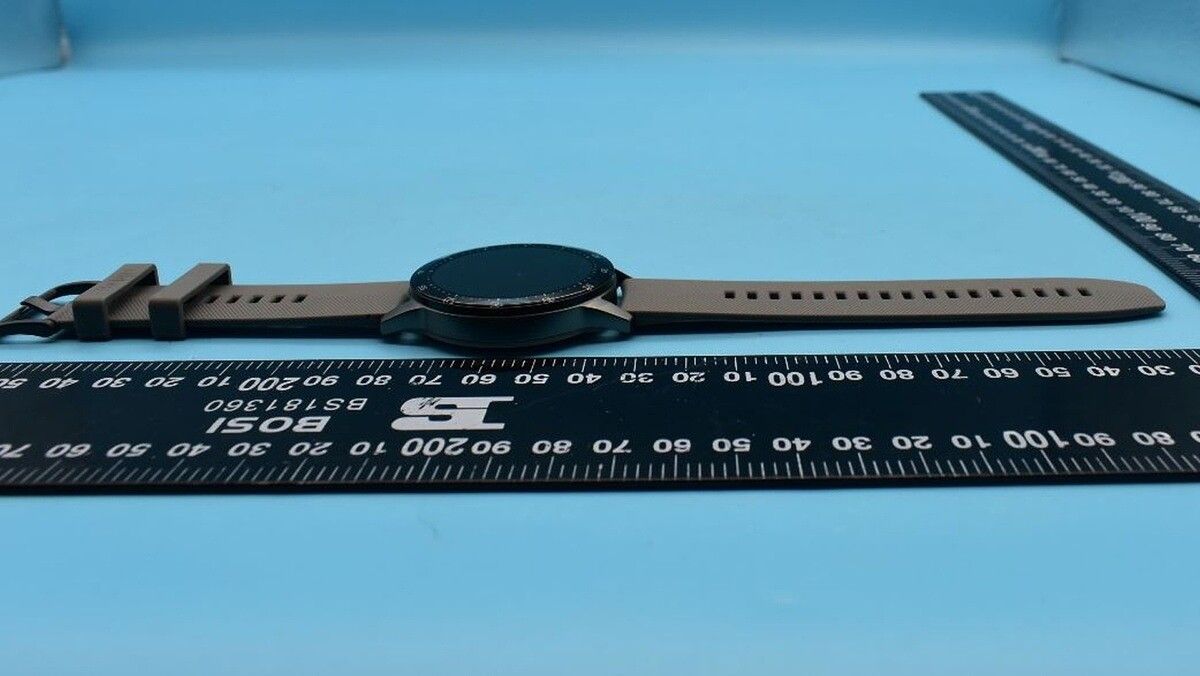
The Red Magic Watch will feature a 1.39-inch display and what looks like a hefty bezel. The wearable will also sport 5ATM water resistance and support for 13mm wide watch straps, which can be fastened and secured using pins. The device will also come equipped with a 420mAh battery, GPS, GLONASS, QZSS positions technology, and Bluetooth 5.0 LE.

As we mentioned, the Red Magic Watch will allegedly feature a heart rate sensor. However, details in the FCC filing suggest users will only be able to take an accurate reading when their wrist is completely still. The wearable also reportedly features a blood oxygen saturation sensor.

The Red Magic Watch is said to support devices running Android 4.4 and above via the Red Magic Sports app. Other specs include a geomagnetic sensor, ambient light sensor, gyroscope, and accelerometer. Android Police also points out the wearable will include a GigaDevice chip.

It’s unclear when the Red Magic Watch will launch publicly, and how much it’ll cost, but if it’s breaking cover at the FCC, its launch is probably right around the corner.

The post Red Magic Watch breaks cover in FCC filing, key details revealed appeared first on xda-developers.


from xda-developers https://ift.tt/3cVMw5B
via IFTTT

The best Galaxy S21 screen protectors from Spigen, ZAGG, and more!

So, you picked up the Samsung Galaxy S21, Samsung’s newest flagship device. That’s great! Now, it’s time to make sure your expensive new purchase remains in pristine condition. Whether or not you need a case is up to your phone habits, but you can prevent scratches and blemishes by picking up one of the Galaxy S21 screen protectors below. You never know when a stray key may touch your screen! We rounded up some of the best Galaxy S21 screen protectors so that you can make sure your smartphone stays in mint condition.

Make sure you get the right screen protector for your phone! The Galaxy S21, S21 Plus, and S21 Ultra are all slightly different sizes, so each set of screen protectors will only work with one model of the Galaxy S21. The recommendations below are for the standard Galaxy S21 screen protectors – we have other guides for Galaxy S21 Plus screen protectors and Galaxy S21 Ultra screen protectors if you’re buying those phones.

    QHOHQ Tempered Glass Screen Protector

    Classic Tempered Protection

    Sometimes the classic tempered glass screen protector is all you need. QHOHQ's three-pack of screen protectors are meant to go on bubble-free and are water-resistant while offering no troubles with the Galaxy S21's touch screen.
    Privacy Screen Protector and Camera Film

    Protect Your Screen and Data

    Want to make sure your data is protected in a public setting? A privacy screen protector is a smart idea. This screen protector will not only protect your screen from scratches and dings, but it will also make it difficult for others to read what's on your screen!
    ESR Liquid Skin Screen Protector

    Easy Installation, Smooth Protection

    If you're not a fan of tempered glass, a film screen will also work great! Film screens offer less protection overall, but also generally look and feel better than tempered glass.
    GBBC Tempered Glass Screen Protector

    Protect The Bezel

    Do you want the bezel around your phone? This tempered glass screen protector will also wrap around your phone's bezel.
    GlassFusion VisionGuard+ with D3O

    Block Blue Light

    If you're looking for premium protection, you can't go wrong with ZAGG's GlassFusion VisionGuard+. This screen protector blocks blue light without discoloration and is advertised to be unbreakable. It's a bit more expensive, but isn't your phone worth it?
    Spigen NeoFlex Screen Protector for Galaxy S21

    Easy Application, Simple Protection

    Another film protector option, Spigen's NeoFlex Protector will give your Galaxy S21 screen nearly-invisible protection against light scratches and damage.

You have our favorite recommendations, but you may be wondering what the best of the best is. I personally like film screen protectors over tempered glass, as the feel is better, and I don’t need too much protection for my screen. I’ve used ESR in the past, so I know the ESR Liquid Skin screen protector is going to be good. The camera protection is just a bonus! Also, anything that prevents blue-light from shining through at night is a good thing, so the GlassFusion VisionGuard+ with D3O is worth the look. Granted, you can also block blue light with software or phone settings, but a screen protector like this can be the least hassle to mess with.

When it comes to Galaxy S21 screen protectors, though, what you’ll want will depend mostly on how much abuse your phone will go through! So make sure to pick the best product for the job and stay tuned as we’ll be updating this post regularly with more options as they become available!

    Samsung Galaxy S21
    The Samsung Galaxy S21 is the starting point of the new 2021 flagship series, packing in a flagship SoC, along with a decent display and camera setup.

The post The best Galaxy S21 screen protectors from Spigen, ZAGG, and more! appeared first on xda-developers.


from xda-developers https://ift.tt/3nFaWSF
via IFTTT

Ruffle emulator gives new life to your archived Flash Player games

After serving the web for almost 25 years, Adobe Flash finally met its demise last month. Adobe decommissioned it on the 1st of January, 2021, by blocking it from all kinds of browsers, and a few days later, all Flash Player content was also blocked. However, if you are one of those who have archived your old flash games, then we have just the thing for you.

Ruffle is an open source Flash Player emulator that can be used to relive the good old Flash game days. Since there is no official support for Flash anymore, the biggest concern with Ruffle is security. The tool tackles this issue by running natively on almost all modern operating systems as a standalone app. Additionally, it can also run on most browsers through the use of WebAssembly.

The emulator has been written in the Rust programming language with the ability to run all of your old school SWF games. Thanks to the programming language’s built-in memory protection feature, it is significantly safer. It can help in eliminating various memory bugs, for instance, buffer overruns, use-after-free, data race conditions, as well as pointer related bugs. According to the company’s website, “Leveraging the safety of the modern browser sandbox and the memory safety guarantees of Rust, we can confidently avoid all the security pitfalls that Flash had a reputation for. Ruffle puts Flash back on the web, where it belongs – including iOS and Android!”

Ruffle’s Web Demo

Ruffle can be used as a standalone desktop application or can be embedded in a website using web assembly. One can also use Ruffle through a browser extension allowing you to run Flash content via the web. This essentially means that you can revisit your collection of Flash games on almost any system running on Windows, Linux, macOS, and if you want, on Android. As of now, there isn’t a standalone app for Android, so the only way you can use it is by loading the browser extension into Firefox or a Chromium-based browser that supports extensions like Kiwi Browser. Chances are that it might not work very well, so your best option would be to run the app on a PC.

According to Bleeping Computer, the Ruffle standalone desktop application works quite seamlessly. Once you fire up the app, it asks you to load an SWF file. Select the file and you should be good to go. If you’re just looking to briefly relive your old-school flash gaming experience, then check out BlueMaxima’s Flashpoint webgame preservation project. Alternatively, you can ask your favorite Flash-based sites to incorporate Ruffle’s JavaScript code to re-enable all their content since Adobe shut Flash down.

The post Ruffle emulator gives new life to your archived Flash Player games appeared first on xda-developers.


from xda-developers https://ift.tt/2NbNPTb
via IFTTT

After 15 months, Moto G8 Play owners finally get their Android 10 update

Earlier this month, we saw Motorola rolling out the Android 10 update to the Moto One Macro. Now the company is giving the same treatment to its 2019 entry-level smartphone: the Moto G8 Play.

According to user reports over at MotoG8PlayBrasil Telegram channel, the Moto G8 Play has finally started receiving its stable Android 10 update in Brazil. The update carries software version QMD30.47-19 and, besides bumping the underlying Android version, also packs the December 2020 security patches. At the time being, the Android 10 update seems to be rolling out in Brazil only but should be coming to more regions in the coming weeks.

After installing the new software, users can look forward to all the usual Android 10 features, including a system-wide dark mode, Smart Reply for messaging apps, new Digital Wellbeing tools with Focus Mode and Parental controls, Live Caption, a new gesture navigation system, and a whole lot more.

If you’re a Moto G8 Play owner residing in Brazil, you should receive the Android 10 OTA in the coming days. Alternatively, you can also head to Settings > System > System update to check if the Android 10 update is available for you.

Motorola Moto G8 Play Forums

The Moto G8 Play is an entry-level smartphone that was launched alongside the Moto G8 Plus. It offers a 6.2-inch HD+ display, MediaTek P70 SoC, 2GB RAM, a 13MP primary camera, and a 4,000 mAh battery.

To get an idea of the poor state of Moto software updates you need only look at the launch of the Moto G8 Play. The phone was launched all the way back in October 2019 — one month after the stable release of Android 10 — and came running Android 9 Pie out of the box, meaning it took a whopping 15 months for the device to receive its first major update. Even for an entry-level Android phone, this is too long, and we really hope Motorola will show more urgency with regards to rolling out software updates in the future.

The post After 15 months, Moto G8 Play owners finally get their Android 10 update appeared first on xda-developers.


from xda-developers https://ift.tt/3rDszog
via IFTTT

Ruffle emulator gives new life to your archived Flash Player games

After serving the web for almost 25 years, Adobe Flash finally met its demise last month. Adobe decommissioned it on the 1st of January, 2021, by blocking it from all kinds of browsers, and a few days later, all Flash Player content was also blocked. However, if you are one of those who have archived your old flash games, then we have just the thing for you.

Ruffle is an open source Flash Player emulator that can be used to relive the good old Flash game days. Since there is no official support for Flash anymore, the biggest concern with Ruffle is security. The tool tackles this issue by running natively on almost all modern operating systems as a standalone app. Additionally, it can also run on most browsers through the use of WebAssembly.

The emulator has been written in the Rust programming language with the ability to run all of your old school SWF games. Thanks to the programming language’s built-in memory protection feature, it is significantly safer. It can help in eliminating various memory bugs, for instance, buffer overruns, use-after-free, data race conditions, as well as pointer related bugs. According to the company’s website, “Leveraging the safety of the modern browser sandbox and the memory safety guarantees of Rust, we can confidently avoid all the security pitfalls that Flash had a reputation for. Ruffle puts Flash back on the web, where it belongs – including iOS and Android!”

Ruffle’s Web Demo

Ruffle can be used as a standalone desktop application or can be embedded in a website using web assembly. One can also use Ruffle through a browser extension allowing you to run Flash content via the web. This essentially means that you can revisit your collection of Flash games on almost any system running on Windows, Linux, macOS, and if you want, on Android. As of now, there isn’t a standalone app for Android, so the only way you can use it is by loading the browser extension into Firefox or a Chromium-based browser that supports extensions like Kiwi Browser. Chances are that it might not work very well, so your best option would be to run the app on a PC.

According to Bleeping Computer, the Ruffle standalone desktop application works quite seamlessly. Once you fire up the app, it asks you to load an SWF file. Select the file and you should be good to go. If you’re just looking to briefly relive your old-school flash gaming experience, then check out BlueMaxima’s Flashpoint webgame preservation project. Alternatively, you can ask your favorite Flash-based sites to incorporate Ruffle’s JavaScript code to re-enable all their content since Adobe shut Flash down.

The post Ruffle emulator gives new life to your archived Flash Player games appeared first on xda-developers.


from xda-developers https://ift.tt/2NbNPTb
via IFTTT

After 15 months, Moto G8 Play owners finally get their Android 10 update

Earlier this month, we saw Motorola rolling out the Android 10 update to the Moto One Macro. Now the company is giving the same treatment to its 2019 entry-level smartphone: the Moto G8 Play.

According to user reports over at MotoG8PlayBrasil Telegram channel, the Moto G8 Play has finally started receiving its stable Android 10 update in Brazil. The update carries software version QMD30.47-19 and, besides bumping the underlying Android version, also packs the December 2020 security patches. At the time being, the Android 10 update seems to be rolling out in Brazil only but should be coming to more regions in the coming weeks.

After installing the new software, users can look forward to all the usual Android 10 features, including a system-wide dark mode, Smart Reply for messaging apps, new Digital Wellbeing tools with Focus Mode and Parental controls, Live Caption, a new gesture navigation system, and a whole lot more.

If you’re a Moto G8 Play owner residing in Brazil, you should receive the Android 10 OTA in the coming days. Alternatively, you can also head to Settings > System > System update to check if the Android 10 update is available for you.

Motorola Moto G8 Play Forums

The Moto G8 Play is an entry-level smartphone that was launched alongside the Moto G8 Plus. It offers a 6.2-inch HD+ display, MediaTek P70 SoC, 2GB RAM, a 13MP primary camera, and a 4,000 mAh battery.

To get an idea of the poor state of Moto software updates you need only look at the launch of the Moto G8 Play. The phone was launched all the way back in October 2019 — one month after the stable release of Android 10 — and came running Android 9 Pie out of the box, meaning it took a whopping 15 months for the device to receive its first major update. Even for an entry-level Android phone, this is too long, and we really hope Motorola will show more urgency with regards to rolling out software updates in the future.

The post After 15 months, Moto G8 Play owners finally get their Android 10 update appeared first on xda-developers.


from xda-developers https://ift.tt/3rDszog
via IFTTT

OnePlus co-founder Carl Pei’s ‘Nothing’ to launch wireless headphones among other products

It was right around the launch of the OnePlus 8T last year when we heard rumors that Carl Pei was about to leave the company. Soon after, the co-founder announced that he was indeed moving on to start his own hardware venture and only recently revealed that it would be called ‘Nothing.’ During the announcement, there was no information shared regarding what kind of hardware the new “London based consumer technology company” would make. However, the company’s official website listed big-names such as iPod inventor Tony Fadell, Reddit CEO Steve Huffman, and Twitch co-founder Kevin Lin, as primary investors.

There have been vague rumors that the company will be focusing on audio tech, however, a new report has confirmed that wireless headphones will be one of many products in development.

Pei recently confirmed to Bloomberg that his new company is working on a pair of wireless headphones alongside a variety of other smart and connected consumer electronics. After introducing the headphones this summer, ‘Nothing’ plans to launch more products later in the year. He also said that the venture capital arm of Alphabet Inc. led the latest funding round and entirely financed it. According to a tweet posted by the company, Nothing has managed to raise $15 million, all thanks to GV, previously known as Google Ventures.

Tom Hulme, General Partner at GV, said in a statement, “Pei’s vision for smart devices is compelling. We have high confidence that with Carl’s global mindset, the Nothing team will have a meaningful impact on the market for consumer technology.”

‘Nothing’ has yet to confirm a launch date for its first product launch but considering the ‘summer’ timeline, it could happen around June. It would be interesting to see if the company can deliver and live up to its mission to “remove the barriers between people and technology to create a seamless digital future.” Currently, the wireless headphones market is in high demand, especially if you consider the growing numbers worldwide. Apart from big names like Apple, Samsung, and Xiaomi, Nothing will have solid competition from popular personal audio brands including Sony, Sennheiser, JBL, and Bose.

The post OnePlus co-founder Carl Pei’s ‘Nothing’ to launch wireless headphones among other products appeared first on xda-developers.


from xda-developers https://ift.tt/3aN02Wy
via IFTTT