LightBlog

jeudi 4 février 2021

Realme launches its MediaTek Dimensity-powered Realme X7 series in India

At the India Mobile Congress 2020 event late last year, MediaTek announced that it was working with OEMs to bring Dimensity 800U and Dimensity 1000 Plus-powered devices to India in early 2021. But so far, OPPO is the only manufacturer to have launched a MediaTek Dimensity-powered device in the country. However, that changes today, as Realme has now officially announced the Realme X7 series in India. Realme’s new lineup consists of two devices — the Realme X7, featuring MediaTek’s Dimensity 800U chip, and the Realme X7 Pro, which packs the flagship Dimensity 1000 Plus chip. Here’s everything you need to know about the two devices:

Realme X7 & Realme X7 Pro: Specifications

Specification Realme X7 Realme X7 Pro
Dimensions & Weight
  • 160.9 x 74.4 x 8.1mm, 176g (Space Silver)
  • 160.9 x 74.4 x 8.3mm, 179g (Nebula)
  • 160.8 x 75.2 x 8.5mm, 184g
Display
  • 6.4-inch FHD+ Super AMOLED (2400 x 1080)
  • 180Hz touch sampling rate
  • 90.8% screen-to-body ratio
  • 600nits peak brightness
  • 6.55-inch FHD+ Super AMOLED (2400 x 1080)
  • 120Hz refresh rate
  • 240Hz touch sampling rate
  • 91.6% screen-to-body ratio
  • 1,200nits peak brightness
  • 100% DCI-P3 coverage, 103% NTSC coverage
  • Gorilla Glass 5
SoC MediaTek Dimensity 800U MediaTek Dimensity 1000+
RAM & Storage
  • 6GB LPDDR4x + 128GB UFS 2.1
  • 8GB LPDDR4x + 128GB UFS 2.1
  • 8GB LPDDR4x + 128GB UFS 2.1
Battery & Charging
  • 4,310mAh
  • 50W fast wired charging (65W charger included)
  • 4,500mAh
  • 65W fast wired charging (65W charger included)
Security In-display fingerprint scanner In-display fingerprint scanner
Rear Camera(s)
  • 64MP primary camera, f/1.8, PDAF
  • 8MP ultra-wide camera, f/2.3, 119° FoV
  • 2MP macro camera, f/2.4
  • 64MP primary camera, f/1.8
  • 8MP ultra-wide camera, f/2.25, 119° FoV
  • 2MP B&W portrait camera, f/2.4
  • 2MP macro camera, f/2.4
Front Camera(s)
  • 16MP selfie camera, f/2.5
  • 32MP selfie camera, f/2.45
Port(s) USB Type-C USB Type-C
Connectivity
  • 802.11 a/b/g/n/ac dual-band Wi-Fi
  • Bluetooth 5.1
  • GPS/GLONASS/Beidou/Galileo/QZSS
  • Dual SIM dual standby 5G
  • 802.11 a/b/g dual-band Wi-Fi (Wi-Fi 6 support)
  • Bluetooth 5.0
  • GPS/GLONASS/Beidou/Galileo/QZSS
  • Dual SIM dual standby 5G
Software Realme UI based on Android 10 Realme UI based on Android 10

The new Realme X7 is a 5G capable mid-range device powered by MediaTek’s Dimensity 800U chip. It features a 6.4-inch Super AMOLED display with a resolution of 2400 x 1080 pixels, 60Hz refresh rate, and a peak brightness of 600 nits. The device packs a triple camera setup on the back, consisting of a 64MP primary camera, an 8MP ultra-wide camera, and a 2MP macro camera, enclosed in a rectangular camera module in the top left corner of the back panel. Over on the front, it has a single 16MP selfie shooter.
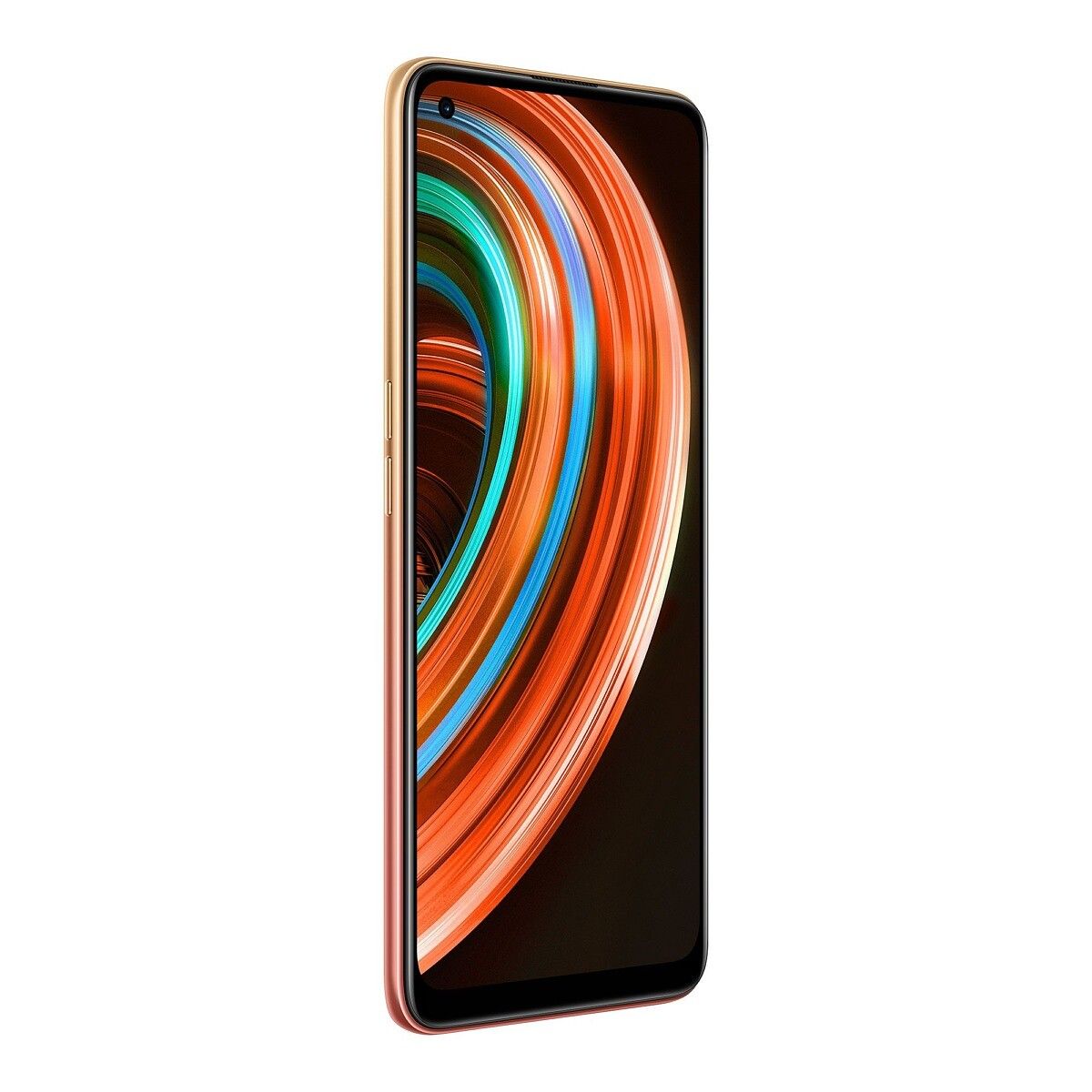
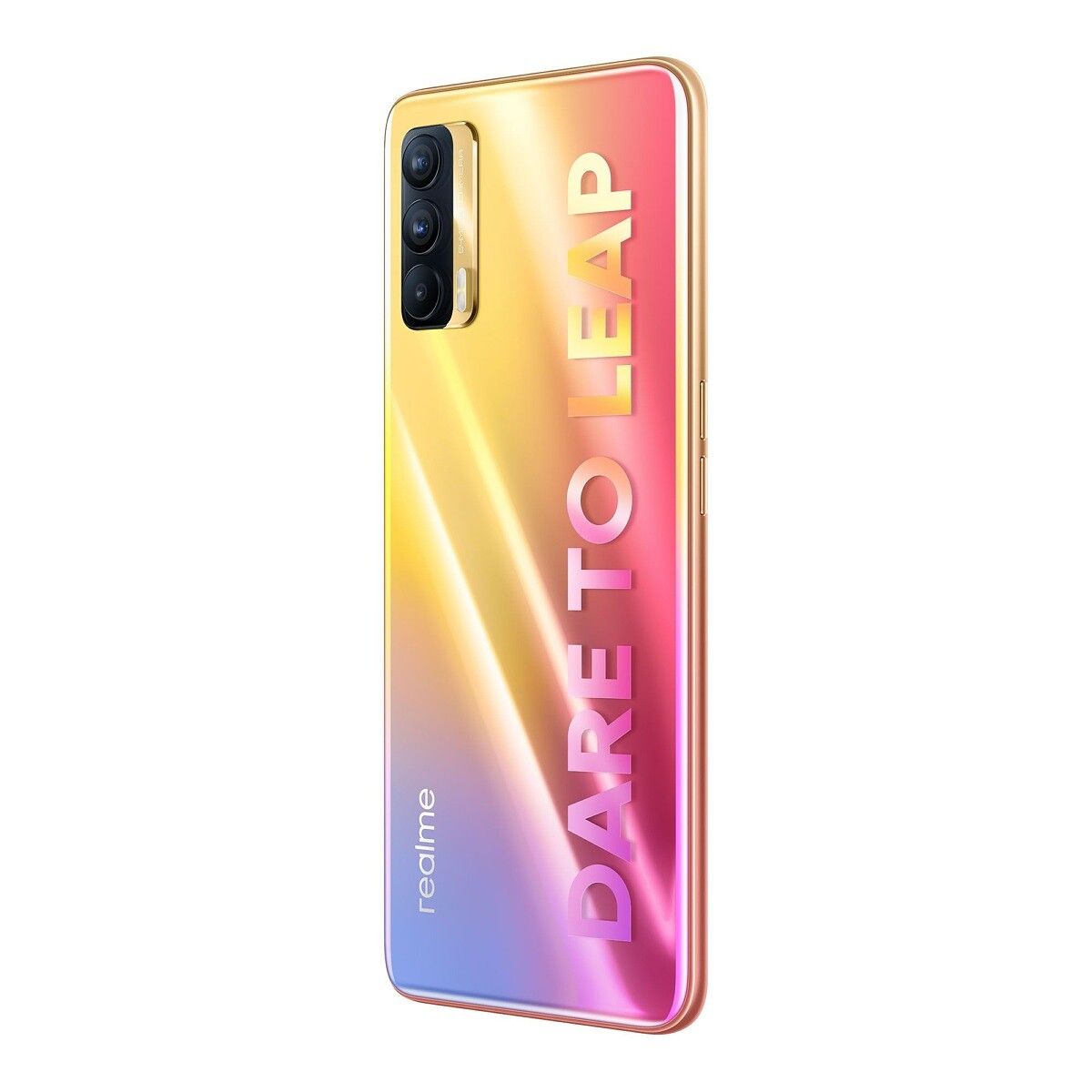
Realme X7 Nebula Realme X7 Nebula

The Realme X7 comes in two RAM/storage variants, with the base model packing 6GB of LPDDR4x RAM and 128GB of UFS 2.1 storage. The higher-end variant features 8GB of LPDDR4x RAM and 128GB of UFS 2.1 storage. Realme has packed a substantial 4,310mAh battery in the device, which features support for 50W fast wired charging. Interestingly, the device will ship with a 65W charger in the box.

Realme X7 Space Silver

In terms of connectivity, the Realme X7 features support for 802.11 a/b/g/n/ac dual-band Wi-Fi, Bluetooth 5.1, a USB Type-C port for charging and data syncing, and GPS/GLONASS/Beidou/Galileo/QZSS support. On the software front, the device runs Realme UI based on Android 10. However, it will soon be updated to Realme UI 2.0 based on Android 11.

Realme X7 launch pricing

The more premium Realme X7 Pro is powered by MediaTek’s flagship Dimensity 1000 Plus chip, coupled with 8GB of LPDDR4x RAM and 128GB of UFS 2.1 storage. It features a slightly larger 6.55-inch Super AMOLED display with a resolution of 2400 x 1080 pixels, 120Hz refresh rate, and an impressive peak brightness of 1,200nits. Realme also claims that the display offers 100% DCI-P3 and 103% NTSC coverage, so it should offer a pleasant viewing experience. We’ll make sure to address that in our upcoming review of the device.
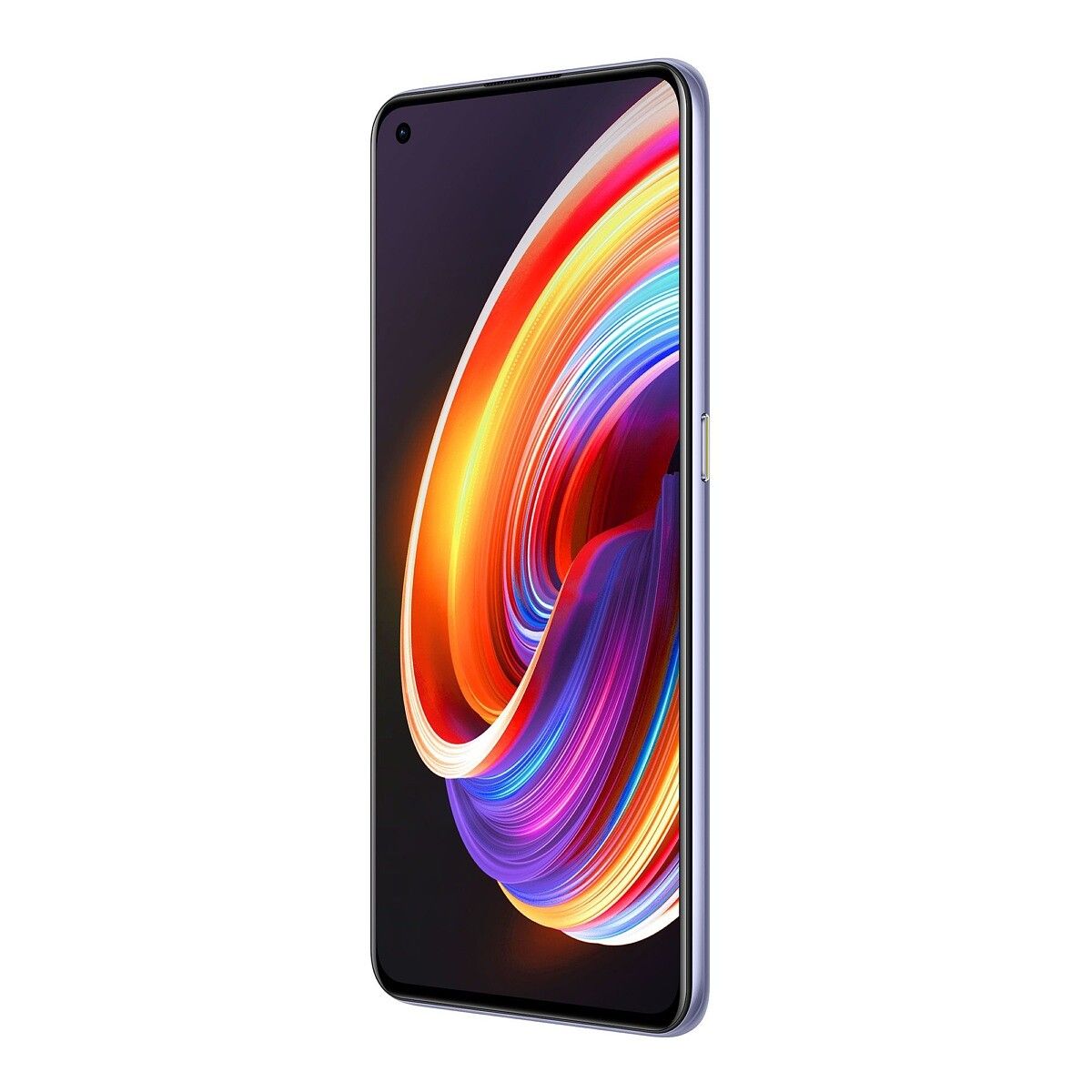
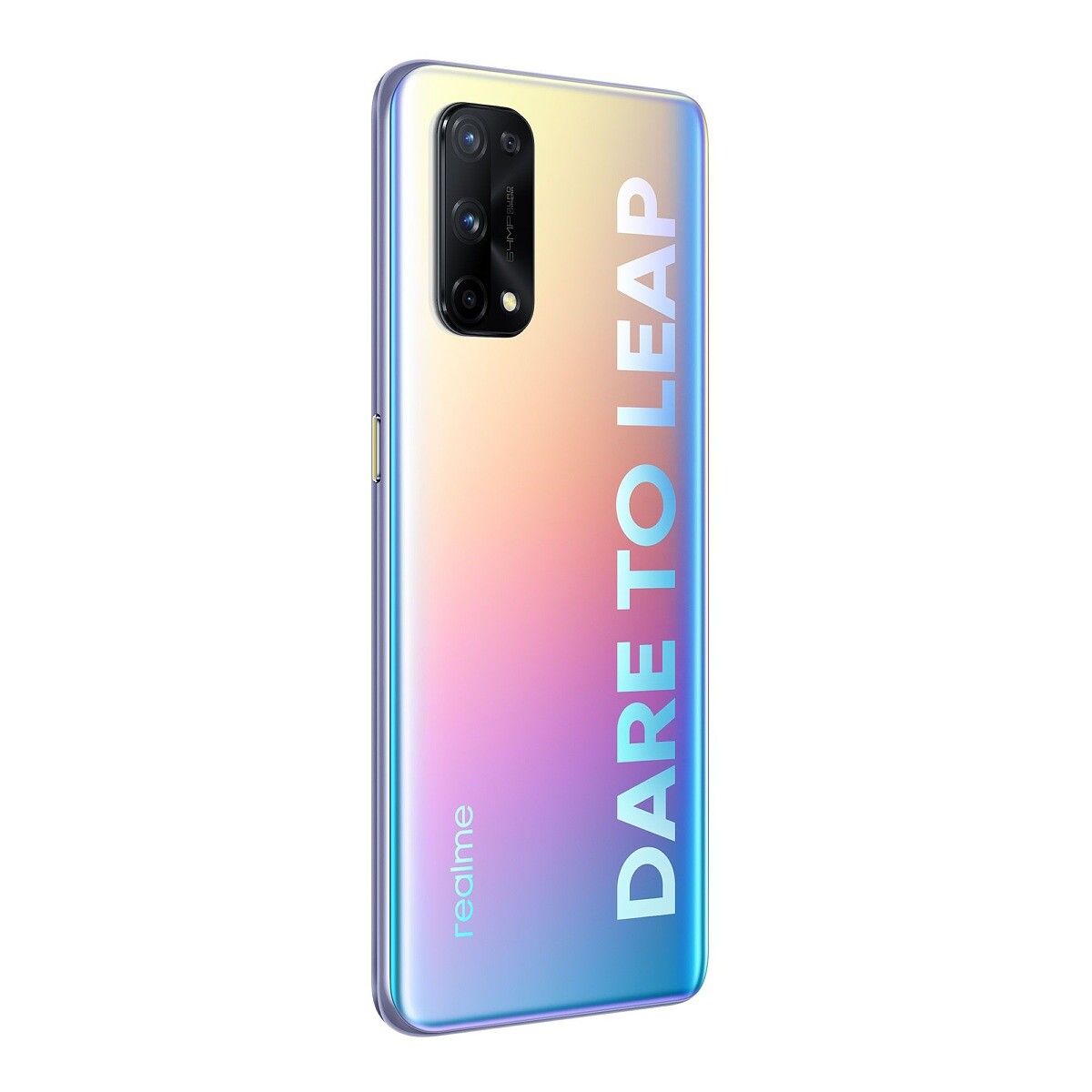
Realme X7 Pro Fantasy

In the camera department, the Realme X7 Pro features a quad-camera setup on the back enclosed within a rectangular camera module. It consists of a 64MP Sony IMX686 primary sensor, an 8MP ultra-wide sensor, a 2MP B&W portrait sensor, and a 2MP macro camera. For selfies, the device features a single 32MP shooter on the front.

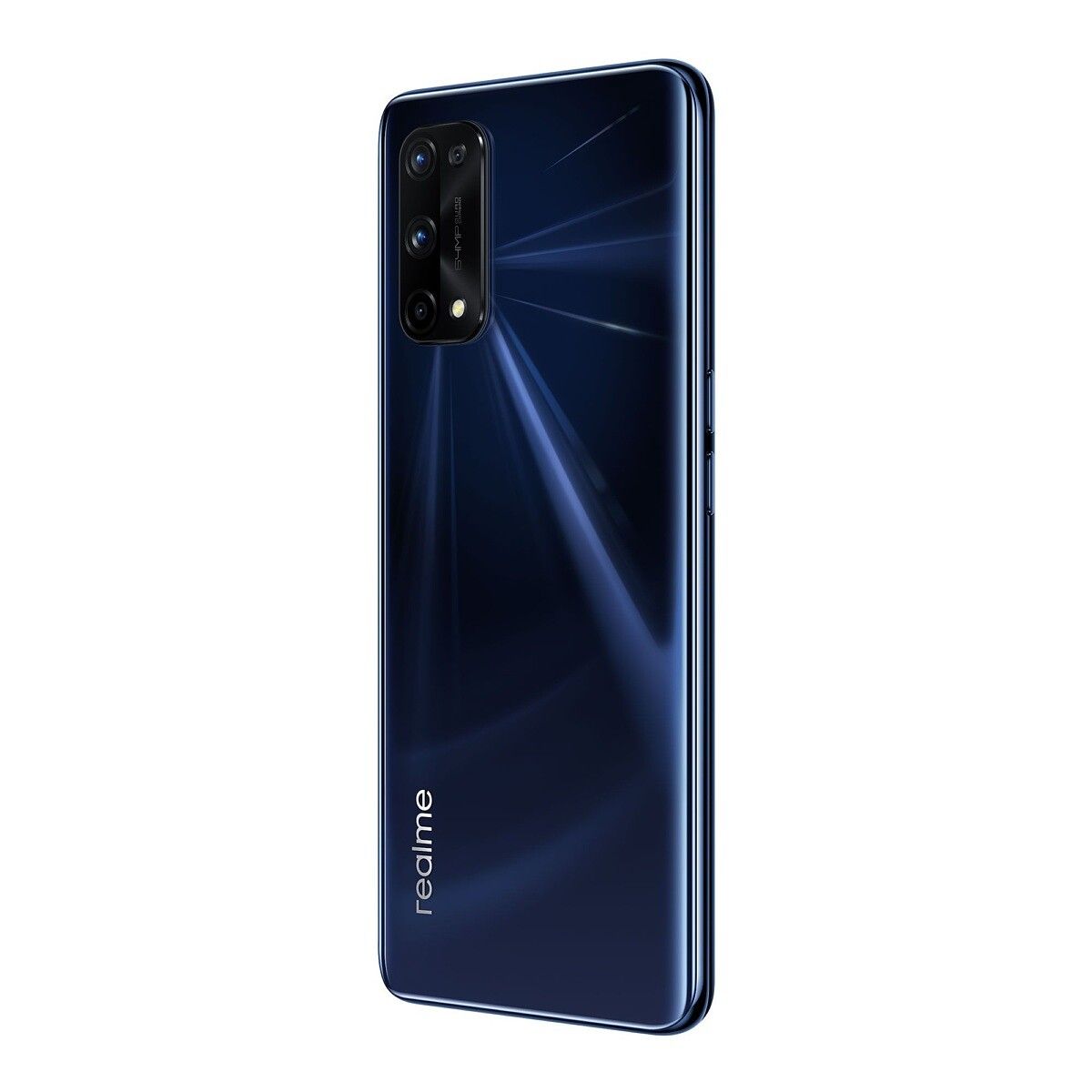
Realme X7 Pro Mystic Black

The Realme X7 Pro also packs a larger 4,500mAh battery that supports 65W fast wired charging. As with the X7, the device will ship with a 65W charger in the box. As far as the connectivity is concerned, the Realme X7 Pro offers Wi-Fi- 6 support, Bluetooth 5.0, a USB Type-C port for charging and data syncing, and GPS/GLONASS/Beidou/Galileo/QZSS support.

Realme X7 Pro launch pricing

Additionally, the X7 Pro features a vapor chamber cooling system for better thermal performance, a better tactile engine for improved haptic feedback, and Dolby Atmos and Hi-Res certification for superior audio output. Much like the X7, the X7 Pro will run Realme UI based on Android 10 out of the box. It will also be updated to Realme UI 2.0 based on Android 11 soon after the launch.

It’s worth mentioning that the Realme X7 launched in India is a rebranded version of the Realme V15 5G that was launched in China earlier this month. The Realme X7 Pro, on the other hand, is the same as the Realme X7 Pro that was launched in China back in September last year.

Pricing & Availability

The new Realme X7 series is priced as follows:

  • Realme X7 (6GB+128GB): ₹19,999 (~$274)
  • Realme X7 (8GB+128GB): ₹21,999 (~$301)
  • Realme X7 Pro (8GB+128GB): ₹29,999 (~$411)

The Realme X7 will come in two color variants — Space Silver and Nebula — and it will go on sale starting from February 12th via Flipkart and Realme’s website. The Realme X7 Pro will also be offered in two colorways — Fantasy and Mystic Black — and it will be available for purchase starting from February 10th via Flipkart and Realme’s website.

The post Realme launches its MediaTek Dimensity-powered Realme X7 series in India appeared first on xda-developers.


from xda-developers https://ift.tt/3cBj70l
via IFTTT

Realme launches its MediaTek Dimensity-powered Realme X7 series in India

At the India Mobile Congress 2020 event late last year, MediaTek announced that it was working with OEMs to bring Dimensity 800U and Dimensity 1000 Plus-powered devices to India in early 2021. But so far, OPPO is the only manufacturer to have launched a MediaTek Dimensity-powered device in the country. However, that changes today, as Realme has now officially announced the Realme X7 series in India. Realme’s new lineup consists of two devices — the Realme X7, featuring MediaTek’s Dimensity 800U chip, and the Realme X7 Pro, which packs the flagship Dimensity 1000 Plus chip. Here’s everything you need to know about the two devices:

Realme X7 & Realme X7 Pro: Specifications

Specification Realme X7 Realme X7 Pro
Dimensions & Weight
  • 160.9 x 74.4 x 8.1mm, 176g (Space Silver)
  • 160.9 x 74.4 x 8.3mm, 179g (Nebula)
  • 160.8 x 75.2 x 8.5mm, 184g
Display
  • 6.4-inch FHD+ Super AMOLED (2400 x 1080)
  • 180Hz touch sampling rate
  • 90.8% screen-to-body ratio
  • 600nits peak brightness
  • 6.55-inch FHD+ Super AMOLED (2400 x 1080)
  • 120Hz refresh rate
  • 240Hz touch sampling rate
  • 91.6% screen-to-body ratio
  • 1,200nits peak brightness
  • 100% DCI-P3 coverage, 103% NTSC coverage
  • Gorilla Glass 5
SoC MediaTek Dimensity 800U MediaTek Dimensity 1000+
RAM & Storage
  • 6GB LPDDR4x + 128GB UFS 2.1
  • 8GB LPDDR4x + 128GB UFS 2.1
  • 8GB LPDDR4x + 128GB UFS 2.1
Battery & Charging
  • 4,310mAh
  • 50W fast wired charging (65W charger included)
  • 4,500mAh
  • 65W fast wired charging (65W charger included)
Security In-display fingerprint scanner In-display fingerprint scanner
Rear Camera(s)
  • 64MP primary camera, f/1.8, PDAF
  • 8MP ultra-wide camera, f/2.3, 119° FoV
  • 2MP macro camera, f/2.4
  • 64MP primary camera, f/1.8
  • 8MP ultra-wide camera, f/2.25, 119° FoV
  • 2MP B&W portrait camera, f/2.4
  • 2MP macro camera, f/2.4
Front Camera(s)
  • 16MP selfie camera, f/2.5
  • 32MP selfie camera, f/2.45
Port(s) USB Type-C USB Type-C
Connectivity
  • 802.11 a/b/g/n/ac dual-band Wi-Fi
  • Bluetooth 5.1
  • GPS/GLONASS/Beidou/Galileo/QZSS
  • Dual SIM dual standby 5G
  • 802.11 a/b/g dual-band Wi-Fi (Wi-Fi 6 support)
  • Bluetooth 5.0
  • GPS/GLONASS/Beidou/Galileo/QZSS
  • Dual SIM dual standby 5G
Software Realme UI based on Android 10 Realme UI based on Android 10

The new Realme X7 is a 5G capable mid-range device powered by MediaTek’s Dimensity 800U chip. It features a 6.4-inch Super AMOLED display with a resolution of 2400 x 1080 pixels, 60Hz refresh rate, and a peak brightness of 600 nits. The device packs a triple camera setup on the back, consisting of a 64MP primary camera, an 8MP ultra-wide camera, and a 2MP macro camera, enclosed in a rectangular camera module in the top left corner of the back panel. Over on the front, it has a single 16MP selfie shooter.

The Realme X7 comes in two RAM/storage variants, with the base model packing 6GB of LPDDR4x RAM and 128GB of UFS 2.1 storage. The higher-end variant features 8GB of LPDDR4x RAM and 128GB of UFS 2.1 storage. Realme has packed a substantial 4,310mAh battery in the device, which features support for 50W fast wired charging. Interestingly, the device will ship with a 65W charger in the box.

Realme X7 launch pricing

In terms of connectivity, the Realme X7 features support for 802.11 a/b/g/n/ac dual-band Wi-Fi, Bluetooth 5.1, a USB Type-C port for charging and data syncing, and GPS/GLONASS/Beidou/Galileo/QZSS support. On the software front, the device runs Realme UI based on Android 10. However, it will soon be updated to Realme UI 2.0 based on Android 11.

The more premium Realme X7 Pro is powered by MediaTek’s flagship Dimensity 1000 Plus chip, coupled with 8GB of LPDDR4x RAM and 128GB of UFS 2.1 storage. It features a slightly larger 6.55-inch Super AMOLED display with a resolution of 2400 x 1080 pixels, 120Hz refresh rate, and an impressive peak brightness of 1,200nits. Realme also claims that the display offers 100% DCI-P3 and 103% NTSC coverage, so it should offer a pleasant viewing experience. We’ll make sure to address that in our upcoming review of the device.

In the camera department, the Realme X7 Pro features a quad-camera setup on the back enclosed within a rectangular camera module. It consists of a 64MP Sony IMX686 primary sensor, an 8MP ultra-wide sensor, a 2MP B&W portrait sensor, and a 2MP macro camera. For selfies, the device features a single 32MP shooter on the front.

Realme X7 Pro launch pricing

The Realme X7 Pro also packs a larger 4,500mAh battery that supports 65W fast wired charging. As with the X7, the device will ship with a 65W charger in the box. As far as the connectivity is concerned, the Realme X7 Pro offers Wi-Fi- 6 support, Bluetooth 5.0, a USB Type-C port for charging and data syncing, and GPS/GLONASS/Beidou/Galileo/QZSS support.

Additionally, the X7 Pro features a vapor chamber cooling system for better thermal performance, a better tactile engine for improved haptic feedback, and Dolby Atmos and Hi-Res certification for superior audio output. Much like the X7, the X7 Pro will run Realme UI based on Android 10 out of the box. It will also be updated to Realme UI 2.0 based on Android 11 soon after the launch.

Pricing & Availability

The new Realme X7 series is priced as follows:

  • Realme X7 (6GB+128GB): ₹19,999 (~$274)
  • Realme X7 (8GB+128GB): ₹21,999 (~$301)
  • Realme X7 Pro (8GB+128GB): ₹29,999 (~$411)

The Realme X7 will come in two color variants — Space Silver and Nebula — and it will go on sale starting from February 12th via Flipkart and Realme’s website. The Realme X7 Pro will also be offered in two colorways — Fantasy and Mystic Black — and it will be available for purchase starting from February 10th via Flipkart and Realme’s website.

The post Realme launches its MediaTek Dimensity-powered Realme X7 series in India appeared first on xda-developers.


from xda-developers https://ift.tt/3cBj70l
via IFTTT
mercredi 3 février 2021

Samsung’s next Galaxy F series phone could have a massive 7000mAh battery

Samsung’s Galaxy F series is a relatively new entry in the Galaxy lineup, targeting the lower-mid-range spectrum and slotting below the Galaxy A and overlapping with the M series. So far, there has only been one device in the lineup, with the Galaxy F41 that launched in October last year leading the charge. But that’s soon going to change as Samsung is preparing to introduce a new smartphone in the lineup.

According to Ishan Agarwal, Samsung is gearing up to launch the next Galaxy F-series device in India. The device will be called Galaxy F62 and has a model number SM-E625f. A 6.7-inch Super AMOLED panel will be on the front of the phone, and a square module on the back will house a quad-camera array, the report says. The primary camera is said to be a 64MP sensor, but details about the remaining three sensors aren’t known yet. We don’t know which chipset the Galaxy F62 will come equipped with, but the leak does state there will be at least 6GB of RAM and 128GB flash storage.

The Galaxy F41 already had a massive 6,000mAh battery, but Samsung is going a step further this time around as the report says the Galaxy F62 will pack a gigantic 7,000 mAh battery. Finally, the leak reveals the Galaxy F62 will feature a 32MP selfie camera on the front, come in Green and Blue colors and run Android 11 with One UI 3.1 out-of-the-box.

For reference, the Galaxy F41 featured a 6.4-inch AMOLED display, Exynos 9611 SoC, a triple camera with a 64MP primary sensor, a 6,000mAh battery, and up to 6GB RAM and 128 storage.

Details about pricing, charging support, chipset, and other specs of the Galaxy F62 remain under wraps for now. So is the design. But there will likely be more info coming out, including more specs and possibly renders, leading up to the official launch.


Featured image: Galaxy F41

The post Samsung’s next Galaxy F series phone could have a massive 7000mAh battery appeared first on xda-developers.


from xda-developers https://ift.tt/3arOHeg
via IFTTT

Samsung’s next Galaxy F series phone could have a massive 7000mAh battery

Samsung’s Galaxy F series is a relatively new entry in the Galaxy lineup, targeting the lower-mid-range spectrum and slotting below the Galaxy A and overlapping with the M series. So far, there has only been one device in the lineup, with the Galaxy F41 that launched in October last year leading the charge. But that’s soon going to change as Samsung is preparing to introduce a new smartphone in the lineup.

According to Ishan Agarwal, Samsung is gearing up to launch the next Galaxy F-series device in India. The device will be called Galaxy F62 and has a model number SM-E625f. A 6.7-inch Super AMOLED panel will be on the front of the phone, and a square module on the back will house a quad-camera array, the report says. The primary camera is said to be a 64MP sensor, but details about the remaining three sensors aren’t known yet. We don’t know which chipset the Galaxy F62 will come equipped with, but the leak does state there will be at least 6GB of RAM and 128GB flash storage.

The Galaxy F41 already had a massive 6,000mAh battery, but Samsung is going a step further this time around as the report says the Galaxy F62 will pack a gigantic 7,000 mAh battery. Finally, the leak reveals the Galaxy F62 will feature a 32MP selfie camera on the front, come in Green and Blue colors and run Android 11 with One UI 3.1 out-of-the-box.

For reference, the Galaxy F41 featured a 6.4-inch AMOLED display, Exynos 9611 SoC, a triple camera with a 64MP primary sensor, a 6,000mAh battery, and up to 6GB RAM and 128 storage.

Details about pricing, charging support, chipset, and other specs of the Galaxy F62 remain under wraps for now. So is the design. But there will likely be more info coming out, including more specs and possibly renders, leading up to the official launch.


Featured image: Galaxy F41

The post Samsung’s next Galaxy F series phone could have a massive 7000mAh battery appeared first on xda-developers.


from xda-developers https://ift.tt/3arOHeg
via IFTTT

Chrome OS Phone Hub will keep your phone and Chromebook in sync

Back in September of last year, we revealed details for a new Phone Hub feature coming to Chrome OS. The feature, we found out, is meant to build on the integration Chrome OS already offers with Android devices by introducing new capabilities.

While the feature was initially spotted in a Chromium Gerritt, a user in the Chrome OS subreddit is now reporting that the in-development Phone Hub feature is fully functional for them.

Chrome OS already offers easy integration with your Android phone for things like messages, Smart Lock, and automatic WiFi hotspot. Phone Hub expands the existing phone-to-Chromebook sync features by adding a new UI in the taskbar and adding notification mirroring.

However, according to comments from other users in the thread, Phone Hub is only working for them on the Chrome OS Beta and Dev channels. It seems like Google is now testing the feature via server side flags and is almost ready to roll it out to everyone.

For what it’s worth, our Chromebook is running Chrome OS 90 in the Canary channel and even with the Phone Hub flag enabled and Google Play Services beta installed, we haven’t had any luck seeing the feature. Which quite honestly isn’t a surprise—that’s how these things go with server side changes.

The user on Reddit said that while Phone Hub is functional for them, they have run into a few early issues. The notifications are apparently a little buggy, but outside of that “everything seems to work pretty well.”

“Enable hotspot works, silence phone puts the phone on DND, and Locate Phone makes the phone ring,” the Reddit user said. “And then ofc, the most recent Chrome tabs, well, are the most recent I’ve seen on my phone. Oh and another thing, replying through the notifications on my Chromebook works perfectly so far for me.”

We’ll keep an eye out for a more official rollout of Chrome OS Phone Hub down the road.

The post Chrome OS Phone Hub will keep your phone and Chromebook in sync appeared first on xda-developers.


from xda-developers https://ift.tt/2O3Eu06
via IFTTT

Samsung removes four phones from 2017 from its security update schedule

Samsung has been doing a great job of pushing security updates to its devices over the last couple of months. The company’s security update schedule has improved to the extent that it’s now pushing the latest Android security patches to some of its devices even before Google officially publishes the corresponding Android Security Bulletin. On top of that, Samsung recently announced that it would offer three generations of Android OS upgrades for most of its devices, which is the same level of software support that Google offers for its Pixel lineup. But while the company may release software updates for a longer duration to devices launched in the last couple of years, it has removed four phones from 2017 from its security update bulletin.

As per a recent report from Android Police, Samsung recently updated its Security Updates page and removed four devices from the security updates list: the Galaxy J3 Pop, Galaxy A5 2017, Galaxy A3 2017, and the Galaxy A7 2017. This means that these devices won’t get any Android security patches going forward. Along with these devices, Samsung also removed the Galaxy Fold 5G from the update list, but that seems to have been an error on the company’s part. The foldable device has now been added back to the monthly security update list.

The report further reveals that Samsung has moved the Galaxy A8 2018 from the monthly update schedule to the quarterly update schedule. The Galaxy A8s, on the other hand, has been moved to the “other regular” patches list. Samsung has also added the Galaxy S21, Galaxy S21 Plus, and Galaxy S21 Ultra to the monthly updates list, while the Galaxy A02 and Galaxy M12 have been added to the quarterly updates list.

Head over to Samsung’s Security Updates page to check the Android security update schedule for your device.

The post Samsung removes four phones from 2017 from its security update schedule appeared first on xda-developers.


from xda-developers https://ift.tt/3cFCTHY
via IFTTT

Microsoft makes it easy to switch from Chrome to Authenticator for password management

Microsoft Authenticator is a two factor (2FA) authentication app that adds an extra layer of security to your accounts and apps. Although the app was primarily designed to provide 2FA protection for Microsoft accounts and products, it can be used with any app or website which supports two-factor authentication for login. In December, the app gained a password management feature, allowing users to autofill saved passwords and log-in credentials.

The Microsoft Authenticator is now receiving (via Windows Central) a new beta on Android and iOS that expands the scope of the password management feature even further. Earlier the app could only sync passwords and login info saved to your Microsoft Edge browser. But the new beta now lets you import passwords directly from Google Chrome or any CSV file.

The new feature is only available in the latest beta of Microsoft Authenticator, version 6.21, to be precise. If you’re on the stable version, you can join the beta program here.

Microsoft Authenticator (Free, Google Play) →

After installing the beta app, head to the Passwords tab, and at the top, you should see a message inviting you to try out the new import feature — alternatively, you can also find the option under the Settings. Microsoft says it can import passwords directly from Google Chrome or a .CSV file. To import Google Chrome passwords, follow these steps:

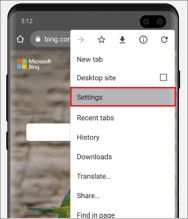
  1. Open the Chrome browser and head to Settings > Passwords.
  2. Tap on the three-dot menu in the upper right-hand side corner and select “Export Passwords.”
  3. Verify your identity using your PIN or fingerprint.
  4. From the Share menu, select the Authenticator app. You’ll be again asked to verify your identity using your PIN or fingerprint.
  5. All your passwords should now have been successfully imported to the Microsoft Authenticator app

Apart from Google Chrome, you can also import your passwords from Firefox, Lastpass, Bitwarden, and Roboform. To do so, simply export your data in a .CSV file and then share the file to the Authenticator app.

The post Microsoft makes it easy to switch from Chrome to Authenticator for password management appeared first on xda-developers.


from xda-developers https://ift.tt/2NXepQ5
via IFTTT