After weeks of leaks and teasers, OnePlus finally debuted the OnePlus 8T just a few days ago. And while the device is now just starting to make its way to buyers, we’ve already started hearing rumors about its successor — the OnePlus 9. As per a recent Android Central report, the upcoming OnePlus 9 will be unveiled in March next year, four weeks earlier than OnePlus’ usual launch timeline.
OnePlus typically launches its main flagship lineup in May each year. However, this year the company unveiled the OnePlus 8 series in April. Now, according to industry sources familiar with OnePlus’ launch schedule, the company is considering an even earlier launch for the upcoming OnePlus 9 series.
OnePlus isn’t the only OEM considering an early launch for its 2021 flagships. As per recent reports, Samsung is also planning to launch its Galaxy S21 series in January next year, almost a month ahead of the usual launch cycle. While we’re yet to receive any clarification from either company about the updated launch schedule, it’s speculated that both companies are launching their flagships early next year to give their flagships more shelf time before more popular devices in their lineups hit the market.
In OnePlus’ case, it’s the company’s new mid-range Nord lineup which seems to have stolen the limelight from the OnePlus 8 series this year. For Samsung, it’s the recently launched Galaxy S20 FE that has overshadowed the flagship Galaxy S20 lineup. Since both companies plan on expanding these new lineups, it makes sense for them to launch their flagships earlier in the year to give them a bit more exclusive shelf time.
Vivo is one of BBK Electronics’ biggest smartphone brands by volume, and the company sells a lot of phones both offline and online in China, India, and several Southeast Asian countries. When Vivo launched the X50 series in China earlier this year, they promised to make the phones available internationally, a first for the Vivo X series. The company later launched the X50 series in India and a few Eastern European countries, but now, the smartphone brand is expanding to several Western European markets with the Vivo X51 5G, the Vivo Y70, the Vivo Y20s, and the Vivo Y11s, as reported by GSMArena and Android Authority.
Vivo now sells phones in the UK, Germany, Poland, Spain, France, and Italy.
The Vivo X51 5G is the star of the show, and it’s essentially a rebranded Vivo X50 Pro. We did a camera review for that device, as its most interesting aspect was the camera. The X50 Pro featured a 48MP sensor with a unique Gimbal OIS that promised buttery smooth video stabilization. It also has a secondary 8MP ultra-wide sensor, a 13MP depth sensor, and an 8MP telephoto lens, while front camera duties are handled by a 32MP sensor hosted in the hole-punch display.
Other features of the Vivo X50 Pro/Vivo X51 5G include the Qualcomm Snapdragon 765G 5G chipset, a 90Hz high refresh rate panel with an FHD+ 1080p resolution, a 4,315 mAh battery with support for 33W fast charging, and more. There’s also an optical under-display fingerprint sensor. It doesn’t really stand out from a sea of 2020 devices with similar specifications just by the specs alone, but the camera setup does make for an interesting proposition, as it should perform well in low-light situations with the gimbal OIS providing exceptional video recording performance.
Vivo is also bringing the Y70 and the Y20s to Europe, two decidedly mid-range smartphones. The former is powered by a Qualcomm Snapdragon 665 processor, which is the same we’ve seen in phones such as the Redmi Note 8 and comes with 8 GB of RAM, a big 4,100 mAh battery, and a 48MP camera with no fancy gimbal mechanisms. The latter is powered by the Snapdragon 460 and an even bigger 5,000 mAh battery, although the rest of the specs are pretty modest, such as the rear 13MP camera setup and the HD+ 720p display as well as up to 6 GB of RAM. There’s also the Y11s, which is fairly similar to the Y20s both in specs and looks.
The software is an aspect where Vivo is rarely popular, as FuntouchOS 10, their custom Android experience on top of Android 10, is often dismissed as a sloppy iOS clone. For the device’s arrival to Europe, though, Vivo has said that they have worked with Google to make it closer to stock Android and to “European user habits”. Other brands like Xiaomi and OPPO tweaked their software quite a bit, even going as far as replacing some of their own apps with Google alternatives, when launching their phones in Europe, so we’re probably going to see something similar with Vivo’s software. You can catch a glimpse at the new “Funtouch OS 10 Global” software in this Polish YouTuber’s hands-on of the Vivo X51 5G.
The company also confirmed to Android Authority that they would support these devices with software updates for up to 4 years and security updates for up to 3 years. This wording is confusing, but it likely means that the device will receive FuntouchOS-specific features and cosmetic updates after major updates and security updates end, in a similar fashion to how Xiaomi rolls out MIUI updates based on older Android versions to older phones.
The phones come with Android 10 out of the box, with an update to Android 11 coming soon. Folks in the UK can expect to buy the Vivo X51 5G online starting at £749 for the 8 GB RAM/256 GB storage variant. It will also be available in Spain, Germany, Italy, Poland, and France. We don’t have pricing for the rest of Euroland just yet, but it shouldn’t differ too much from the British pricing. We also don’t have pricing for any of the other phones.
If the X51 5G isn’t your cup of tea and you want other Vivo phones in Europe, including maybe even flagships, you’ll have to wait a bit to see what the company has in store for Europe users. The company is in talks with retailers and carriers about stocking phones and is also teasing its efforts to bring flagship-tier phones to the market in the future.
After weeks of leaks and teasers, OnePlus finally debuted the OnePlus 8T just a few days ago. And while the device is now just starting to make its way to buyers, we’ve already started hearing rumors about its successor — the OnePlus 9. As per a recent Android Central report, the upcoming OnePlus 9 will be unveiled in March next year, four weeks earlier than OnePlus’ usual launch timeline.
OnePlus typically launches its main flagship lineup in May each year. However, this year the company unveiled the OnePlus 8 series in April. Now, according to industry sources familiar with OnePlus’ launch schedule, the company is considering an even earlier launch for the upcoming OnePlus 9 series.
OnePlus isn’t the only OEM considering an early launch for its 2021 flagships. As per recent reports, Samsung is also planning to launch its Galaxy S21 series in January next year, almost a month ahead of the usual launch cycle. While we’re yet to receive any clarification from either company about the updated launch schedule, it’s speculated that both companies are launching their flagships early next year to give their flagships more shelf time before more popular devices in their lineups hit the market.
In OnePlus’ case, it’s the company’s new mid-range Nord lineup which seems to have stolen the limelight from the OnePlus 8 series this year. For Samsung, it’s the recently launched Galaxy S20 FE that has overshadowed the flagship Galaxy S20 lineup. Since both companies plan on expanding these new lineups, it makes sense for them to launch their flagships earlier in the year to give them a bit more exclusive shelf time.
Vivo is one of BBK Electronics’ biggest smartphone brands by volume, and the company sells a lot of phones both offline and online in China, India, and several Southeast Asian countries. When Vivo launched the X50 series in China earlier this year, they promised to make the phones available internationally, a first for the Vivo X series. The company later launched the X50 series in India and a few Eastern European countries, but now, the smartphone brand is expanding to several Western European markets with the Vivo X51 5G, the Vivo Y70, the Vivo Y20s, and the Vivo Y11s, as reported by GSMArena and Android Authority.
Vivo now sells phones in the UK, Germany, Poland, Spain, France, and Italy.
The Vivo X51 5G is the star of the show, and it’s essentially a rebranded Vivo X50 Pro. We did a camera review for that device, as its most interesting aspect was the camera. The X50 Pro featured a 48MP sensor with a unique Gimbal OIS that promised buttery smooth video stabilization. It also has a secondary 8MP ultra-wide sensor, a 13MP depth sensor, and an 8MP telephoto lens, while front camera duties are handled by a 32MP sensor hosted in the hole-punch display.
Other features of the Vivo X50 Pro/Vivo X51 5G include the Qualcomm Snapdragon 765G 5G chipset, a 90Hz high refresh rate panel with an FHD+ 1080p resolution, a 4,315 mAh battery with support for 33W fast charging, and more. There’s also an optical under-display fingerprint sensor. It doesn’t really stand out from a sea of 2020 devices with similar specifications just by the specs alone, but the camera setup does make for an interesting proposition, as it should perform well in low-light situations with the gimbal OIS providing exceptional video recording performance.
Vivo is also bringing the Y70 and the Y20s to Europe, two decidedly mid-range smartphones. The former is powered by a Qualcomm Snapdragon 665 processor, which is the same we’ve seen in phones such as the Redmi Note 8 and comes with 8 GB of RAM, a big 4,100 mAh battery, and a 48MP camera with no fancy gimbal mechanisms. The latter is powered by the Snapdragon 460 and an even bigger 5,000 mAh battery, although the rest of the specs are pretty modest, such as the rear 13MP camera setup and the HD+ 720p display as well as up to 6 GB of RAM. There’s also the Y11s, which is fairly similar to the Y20s both in specs and looks.
The software is an aspect where Vivo is rarely popular, as FuntouchOS 10, their custom Android experience on top of Android 10, is often dismissed as a sloppy iOS clone. For the device’s arrival to Europe, though, Vivo has said that they have worked with Google to make it closer to stock Android and to “European user habits”. Other brands like Xiaomi and OPPO tweaked their software quite a bit, even going as far as replacing some of their own apps with Google alternatives, when launching their phones in Europe, so we’re probably going to see something similar with Vivo’s software. You can catch a glimpse at the new “Funtouch OS 10 Global” software in this Polish YouTuber’s hands-on of the Vivo X51 5G.
The company also confirmed to Android Authority that they would support these devices with software updates for up to 4 years and security updates for up to 3 years. This wording is confusing, but it likely means that the device will receive FuntouchOS-specific features and cosmetic updates after major updates and security updates end, in a similar fashion to how Xiaomi rolls out MIUI updates based on older Android versions to older phones.
The phones come with Android 10 out of the box, with an update to Android 11 coming soon. Folks in the UK can expect to buy the Vivo X51 5G online starting at £749 for the 8 GB RAM/256 GB storage variant. It will also be available in Spain, Germany, Italy, Poland, and France. We don’t have pricing for the rest of Euroland just yet, but it shouldn’t differ too much from the British pricing. We also don’t have pricing for any of the other phones.
If the X51 5G isn’t your cup of tea and you want other Vivo phones in Europe, including maybe even flagships, you’ll have to wait a bit to see what the company has in store for Europe users. The company is in talks with retailers and carriers about stocking phones and is also teasing its efforts to bring flagship-tier phones to the market in the future.
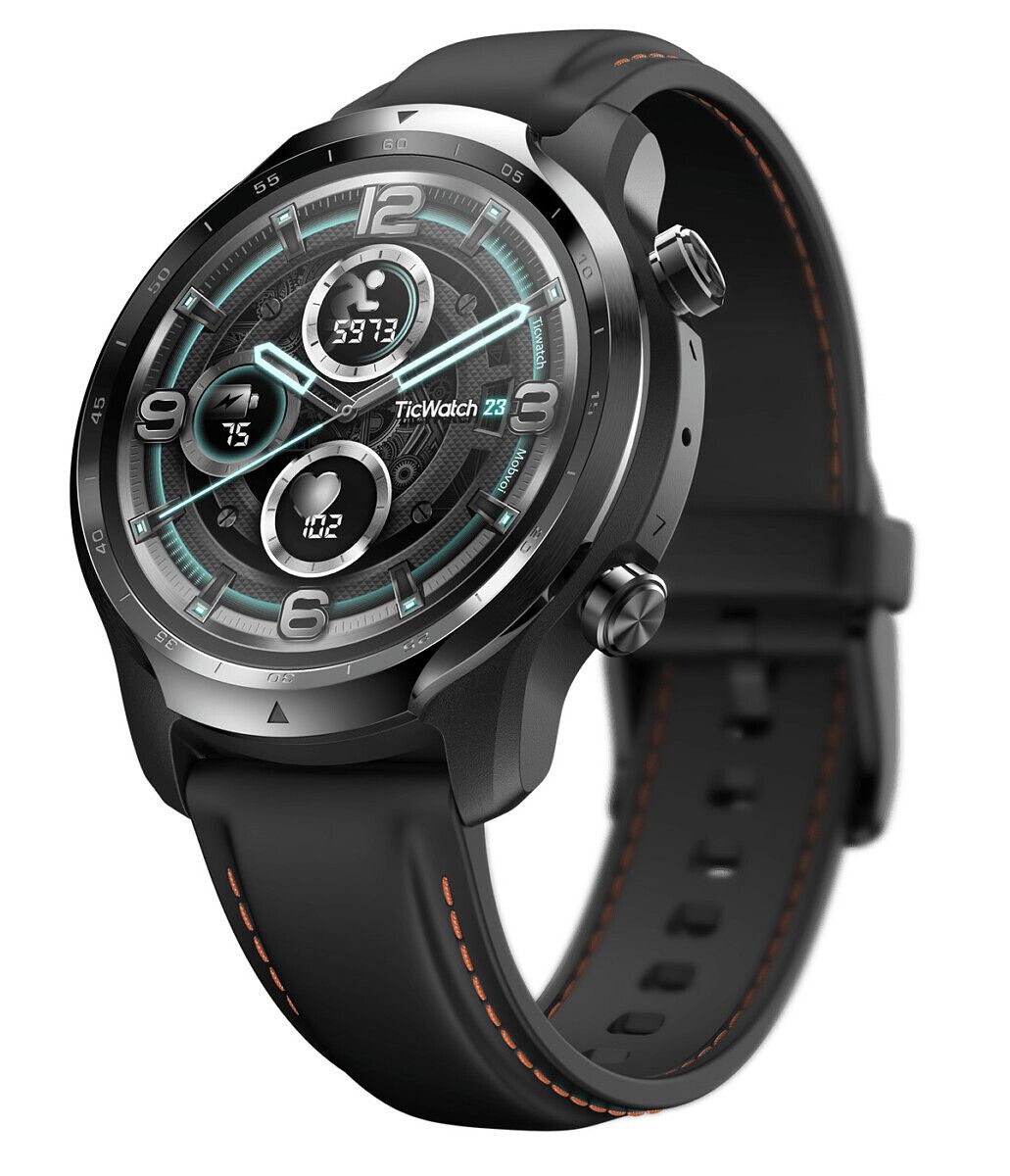
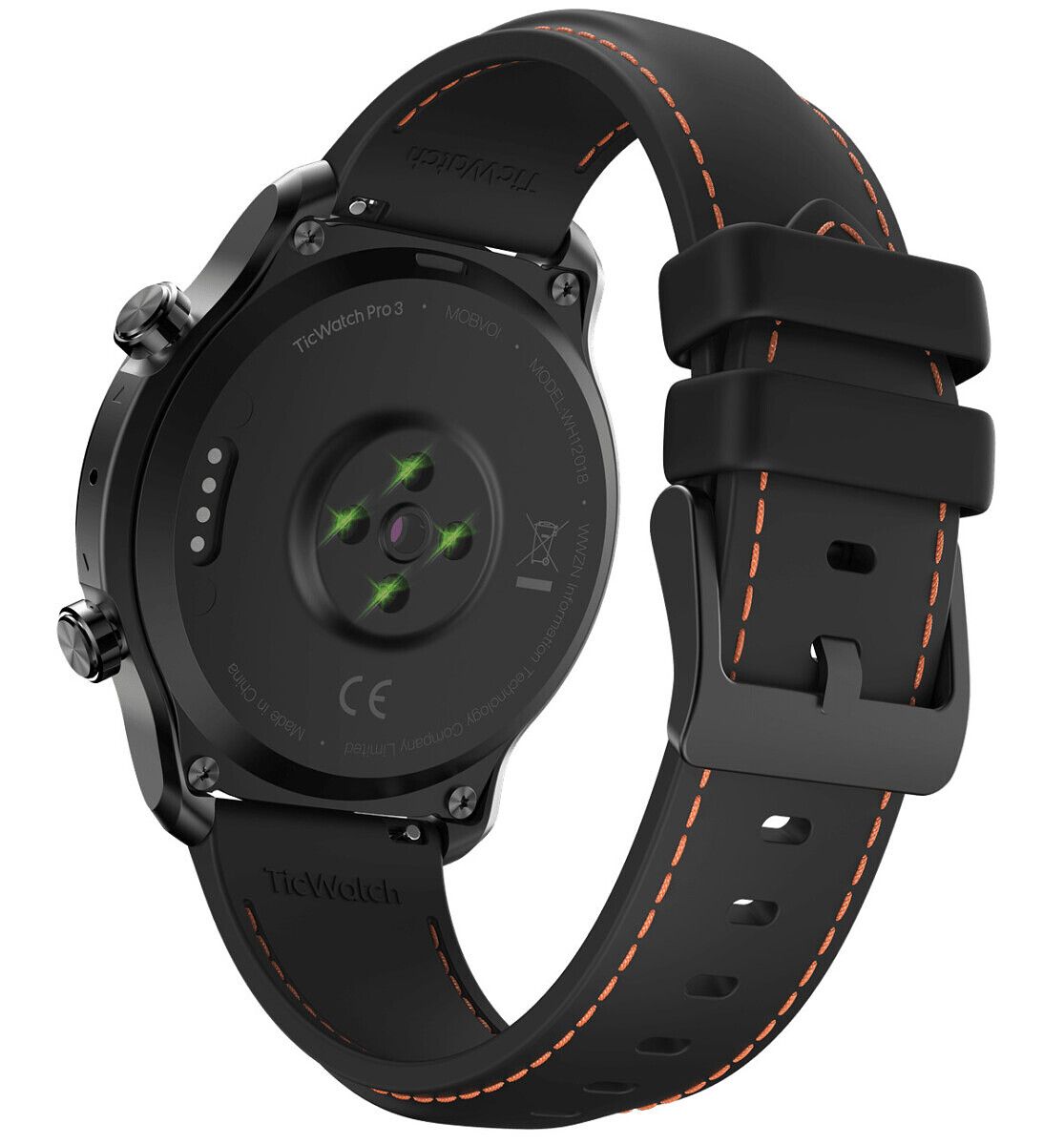
Beijing-based Mobvoi launched the TicWatch Pro 3 last month, making it the first smartwatch with the Snapdragon Wear 4100 SoC as well as Wear OS’s latest update. Our review of the TicWatch Pro 3 mentions that it does have great battery life, great performance, great display, and a bunch of other features done well. If you are in India and were looking to get your hands on this smartwatch, you’ll be glad to know that Mobvoi has now launched the TicWatch Pro 3 in India.
TicWatch Pro 3: Specifications
Specifications
TicWatch Pro 3
Dimensions & Weight
47 x 48 x 12.2 mm
Stainless Steel + Plastic: 42g
Display
1.4″ AMOLED (400 x 400 px) + FSTN LCD
Gorilla Glass 3
Watchband size
22mm, silicone
SoC
Qualcomm Snapdragon Wear 4100
Memory
1GB RAM, 8GB storage
Connectivity & Extras
Bluetooth v4.2, BLE
WiFi 802.11 b/g/n
Speaker
Microphone
Rotor motor for vibration
GPS
GPS
GLONASS
Beidou
Galileo
QZSS
Sensors
PPG heart rate sensor:
Blood O2 saturation
Stress Detection
Night infrared Static Heart Rate sensor with non-visible light
Accelerometer
Gyroscope
Ambient light sensor
Barometer
Low latency off-body sensor
NFC Payments
Yes, Google Pay
Battery
577mAh
Durability
IP68
OS
Wear OS
Colors
Shadow Black
Aside from the headlining features of the new SoC and the new Wear OS update, the watch has a few of its own tricks up its sleeve. The device comes with a Dual Display technology involving an analog FSTN LCD overlaid on top of a smarter AMOLED display. The Smart Mode on the smartwatch can get you up to 72 hours of battery life, while the enhanced Essential Mode can get you up to 45 days of battery life. And toggling between the two modes is as simple as flicking your wrist. For sensors, the smartwatch comes with a barometer for measuring altitude and support for five GNSS for accurate location tracking. You also get a range of apps from the company for health tracking, such as TicPulse, TicHealth, TicMotion, TicExercise, TicSleep, TicOxygen, TicZen, TicBreathe, and TicHearing.
Pricing and Availability
The TicWatch Pro 3 will be available in India for ₹27,999 (~$382). The device is available through Amazon.in in a singular Shadow Black color option.
Beijing-based Mobvoi launched the TicWatch Pro 3 last month, making it the first smartwatch with the Snapdragon Wear 4100 SoC as well as Wear OS’s latest update. Our review of the TicWatch Pro 3 mentions that it does have great battery life, great performance, great display, and a bunch of other features done well. If you are in India and were looking to get your hands on this smartwatch, you’ll be glad to know that Mobvoi has now launched the TicWatch Pro 3 in India.
TicWatch Pro 3: Specifications
Specifications
TicWatch Pro 3
Dimensions & Weight
47 x 48 x 12.2 mm
Stainless Steel + Plastic: 42g
Display
1.4″ AMOLED (400 x 400 px) + FSTN LCD
Gorilla Glass 3
Watchband size
22mm, silicone
SoC
Qualcomm Snapdragon Wear 4100
Memory
1GB RAM, 8GB storage
Connectivity & Extras
Bluetooth v4.2, BLE
WiFi 802.11 b/g/n
Speaker
Microphone
Rotor motor for vibration
GPS
GPS
GLONASS
Beidou
Galileo
QZSS
Sensors
PPG heart rate sensor:
Blood O2 saturation
Stress Detection
Night infrared Static Heart Rate sensor with non-visible light
Accelerometer
Gyroscope
Ambient light sensor
Barometer
Low latency off-body sensor
NFC Payments
Yes, Google Pay
Battery
577mAh
Durability
IP68
OS
Wear OS
Colors
Shadow Black
Aside from the headlining features of the new SoC and the new Wear OS update, the watch has a few of its own tricks up its sleeve. The device comes with a Dual Display technology involving an analog FSTN LCD overlaid on top of a smarter AMOLED display. The Smart Mode on the smartwatch can get you up to 72 hours of battery life, while the enhanced Essential Mode can get you up to 45 days of battery life. And toggling between the two modes is as simple as flicking your wrist. For sensors, the smartwatch comes with a barometer for measuring altitude and support for five GNSS for accurate location tracking. You also get a range of apps from the company for health tracking, such as TicPulse, TicHealth, TicMotion, TicExercise, TicSleep, TicOxygen, TicZen, TicBreathe, and TicHearing.
Pricing and Availability
The TicWatch Pro 3 will be available in India for ₹27,999 (~$382). The device is available through Amazon.in in a singular Shadow Black color option.
Being one of the most popular mobile games out there, PUBG Mobile continues to attract a wide audience, which also includes a number of cheaters or hackers. The game developers have been pretty active and vocal regarding the use of cheats and earlier this year started publishing weekly reports. According to its latest anti-cheat report from last week (9th October to 15th October) over 2,872,644 accounts were permanently banned from PUBG Mobile.
Now as per our experience, it can get very frustrating to deal with hackers on PUBG Mobile. The best way to tackle such players is to report them via the in-game anti-cheat system. There is also a video review system to hunt down cheaters. But before you do that, it’s best to understand how these hacks and cheats actually work. Here we have some of the most hacks and cheats used by players in PUBG Mobile.
The purpose of this article is to spread awareness around the various types of hacks that are used in games like PUBG Mobile. We do not encourage the use of such hacks as it can lead to a permanent suspension of your account. Moreover, the use of cheats and hacks is just an unfair advantage that you gain to win a game, what’s the fun in that? Try using these PUBG Mobile tips instead.
Wallhack
Image credits: PUBG Mobile
This is one of the most common cheats used in almost every shooter game as it is easy to implement. Using this hack, players get the advantage of spotting their enemies even when they are not in the line of sight. One can easily spot the location of every single player through walls, hence the name wallhack. Traditionally this cheat makes the walls transparent, but the most common wallhacks on PUBG Mobile highlight an opponent player in a bright green color. The hacker can easily detect his/her opponents and attack strategically. Recently, PUBG Mobile spotted a new way that hackers were using to implement wallhacks. Apparently they would team up and get killed in a match on purpose. Then using the spectator option, the hacker would help his/her teammate to get an unfair advantage. PUBG Mobile has already introduced some changes to prevent this from happening.
ESP
Image credits: 60fps.in
ESP or Extra Sensory Perception is another popular hack used to get an unfair advantage on PUBG Mobile. You can call this a step beyond wallhack wherein apart from the location of the opponents, a hacker can get additional information. The ESP system basically injects code into the game client that monitors the game data in your device memory. It is one of the most advanced hacking techniques that offers a variety of information on your opponents such as name, health, distance, weapons used, and much more. It is also called the radar hack as one of its most popular features is the ability to pinpoint items and players using guided radar-like lines. This is one of the few hacks that can be difficult to spot.
This is pretty straightforward and just like wallhack, it is seen on multiple shooter games. Using this hack, a player gains 100% accuracy when fighting against opponents. Certain aimbot hacks don’t even need the hacker to aim at the opponent or be in close proximity. It can redirect your shots right onto the head of your opponents resulting in effortless kills. This hack is quite easy to detect though. If an opponent manages to inflict damage while you are hiding with complete protection all around, there is a high chance that he or she is using an aimbot hack.
Speed Hack
Yet another hack that is easy to spot, speed hacks are used to move fast within the game. Notably, the hack isn’t really fool-proof and comes with certain drawbacks. One can easily identify a player who is using a speed hack by their sheer speed and it isn’t entirely difficult to kill them. The added speed can sometimes be difficult to control and hackers can end up in a tight situation especially while driving vehicles. The speed hack can offer an unfair advantage during short-range battles and moving around the map to gather loot at a quick pace.
Jump Hack
Image credits: Mr Ghost Gaming (YouTube)
The jump hack lets users leap into the air allowing them to get a bird-eye view of the map. It is also called as the anti-gravity cheat as the effect is similar to what one would experience when there is less or zero gravity. Just like the speed hack, this can be used while driving a vehicle. While this hack is used to spot and hunt enemies from above, it is very blatant and can easily be spotted.
If you’re in India, due to the recent ban around Chinese publishers, PUBG Mobile and PUBG Mobile Lite is currently banned in the country. The government has advised not to download either of the games.