LightBlog

lundi 17 août 2020

Samsung Galaxy Watch 3 and Samsung Galaxy Buds Live launched in India

At the recent Galaxy Unpacked 2020 launch event, Samsung finally lifted the covers off the Galaxy Note 20 series, Galaxy Z Fold 2, Galaxy Tab S7 series, Galaxy Watch 3, and the Galaxy Buds Live. Shortly after the global launch, Samsung released the pricing and availability details for the Galaxy Note 20 series in India, and now, the company has finally launched the Galaxy Watch 3 and Galaxy Buds Live in the country.

Samsung Galaxy Watch 3: Specifications

Specifications Samsung Galaxy Watch 3
Dimensions & Weight
  • 41mm: 41.0 x 42.5 x 11.3 mm, 48g
  • 45mm: 45.0 x 46.2 x 11.1mm, 53g
Display
  • 41mm:
    • 1.2″ Super AMOLED
    • Corning Gorilla Glass DX
  • 45mm:
    • 1.4″ Super AMOLED
    • Corning Gorilla Glass DX
Watchband size
  • Large: 22.0 x 130.0 x 9.4mm
  • Small: 20.0 x 115.0 x 9.4mm
Memory 1GB RAM, 8GB internal storage
Connectivity
  • LTE
  • Wi-Fi 802.11 b/g/n, 2.4GHz
  • Bluetooth v5.0
Other features
  • 2 physical buttons
  • Rotating bezel
  • Mic
  • Linear Motor
  • Speaker
Sensors
  • 8 LED photoplethysmography (PPG)
  • Electrocardiogram (ECG)
  • Accelerometer (up to 32G)
  • Gyroscope
  • Barometer
  • Ambient light
NFC Payments Yes, Samsung Pay
Battery
  • 41mm: 247mAh
  • 45mm: 340mAh
Durability 5ATM + IP68/ MIL-STD-810G
OS Tizen Based Wearable OS 5.5
Colors
  • 41mm: Mystic Bronze, Mystic Silver
  • 45mm: Mystic Silver, Mystic Black
  • Band: Black Leather, Pink Leather (41mm only)

The all-new Samsung Galaxy Watch 3 will be available in 4G and Bluetooth variants in India, in two dial sizes — 41mm and 45mm. The 41mm variant of the smartwatch will be available in Mystic Bronze and Mystic Silver color options, while the 45mm variant will be available in Mystic Silver and Mystic Black colors.

Samsung Galaxy Watch 3

The Galaxy Watch 3 41mm has been priced at ₹29,990 (~$399) and ₹34,490 (~$459) for the Bluetooth and 4G variants, respectively. While the 45mm variant has been priced at ₹32,990 (~$439) and ₹38990 (~519), for the Bluetooth and 4G variants. All variants of the Galaxy Watch 3 will go on sale in India starting August 27 via major offline retail stores, Samsung Opera House, Samsung.com, and other major eCommerce portals.

Samsung has also announced a couple of pre-booking offers for the Galaxy Watch 3. Buyers who book the 4G variants will get the option to purchase the new Galaxy Buds Live at a discounted price of ₹4,990. This offer is exclusive to bookings made on Samsung Shop and offline retail stores between August 17 and August 26. On the other hand, pre-booking the Bluetooth variants will give buyers an instant cashback of ₹4,500 on the 41mm model and ₹5,000 on the 45mm model. This offer is exclusive to bookings made on Samsung Shop, Amazon, and Flipkart between August 20 and August 26.

Samsung Galaxy Buds Live: Specifications

Specification Samsung Galaxy Buds Live
Dimensions & Weight
  • Buds: 27.2 x 17.3 x 15.5 mm, 5.6g (each)
  • Case: 50.0 x 50.2 x 27.8 mm, 42.2g
Battery and Charging
  • Earbud: 60mAh (each)
  • Case: 472 mAh
    • Wireless charging support
Speaker and Mic
  • 12mm driver tuned by AKG
  • Bass duct
  • 3 microphones + Voice Pickup Unit
Connectivity
  • Bluetooth 5.0 BLE
  • Codec: AAC, SBC, Scalable Codec
Sensors and other features
  • Proximity sensor
  • Accelerometer
  • Touch-sensitive sensor
  • Hall sensor
  • IPX2 water resistance
Colors Mystic Bronze, Mystic White, Mystic Black

Samsung’s latest TWS earphones, the Galaxy Buds Live, will be available for purchase in India starting from August 25. The earbuds will be available in three color variants — Mystic Bronze, Mystic Black, and Mystic White — at a price of ₹14,990 (~$199).

Samsung Galaxy Buds Live

The earbuds will be available across offline retail stores, Samsung Opera House, Samsung.com, and most major eCommerce portals in the country.

Pre-book on Samsung.com: Galaxy Watch 3 || Galaxy Buds Live

The post Samsung Galaxy Watch 3 and Samsung Galaxy Buds Live launched in India appeared first on xda-developers.


from xda-developers https://ift.tt/34bdba3
via IFTTT

Samsung Galaxy Watch 3 and Samsung Galaxy Buds Live launched in India

At the recent Galaxy Unpacked 2020 launch event, Samsung finally lifted the covers off the Galaxy Note 20 series, Galaxy Z Fold 2, Galaxy Tab S7 series, Galaxy Watch 3, and the Galaxy Buds Live. Shortly after the global launch, Samsung released the pricing and availability details for the Galaxy Note 20 series in India, and now, the company has finally launched the Galaxy Watch 3 and Galaxy Buds Live in the country.

Samsung Galaxy Watch 3: Specifications

Specifications Samsung Galaxy Watch 3
Dimensions & Weight
  • 41mm: 41.0 x 42.5 x 11.3 mm, 48g
  • 45mm: 45.0 x 46.2 x 11.1mm, 53g
Display
  • 41mm:
    • 1.2″ Super AMOLED
    • Corning Gorilla Glass DX
  • 45mm:
    • 1.4″ Super AMOLED
    • Corning Gorilla Glass DX
Watchband size
  • Large: 22.0 x 130.0 x 9.4mm
  • Small: 20.0 x 115.0 x 9.4mm
Memory 1GB RAM, 8GB internal storage
Connectivity
  • LTE
  • Wi-Fi 802.11 b/g/n, 2.4GHz
  • Bluetooth v5.0
Other features
  • 2 physical buttons
  • Rotating bezel
  • Mic
  • Linear Motor
  • Speaker
Sensors
  • 8 LED photoplethysmography (PPG)
  • Electrocardiogram (ECG)
  • Accelerometer (up to 32G)
  • Gyroscope
  • Barometer
  • Ambient light
NFC Payments Yes, Samsung Pay
Battery
  • 41mm: 247mAh
  • 45mm: 340mAh
Durability 5ATM + IP68/ MIL-STD-810G
OS Tizen Based Wearable OS 5.5
Colors
  • 41mm: Mystic Bronze, Mystic Silver
  • 45mm: Mystic Silver, Mystic Black
  • Band: Black Leather, Pink Leather (41mm only)

The all-new Samsung Galaxy Watch 3 will be available in 4G and Bluetooth variants in India, in two dial sizes — 41mm and 45mm. The 41mm variant of the smartwatch will be available in Mystic Bronze and Mystic Silver color options, while the 45mm variant will be available in Mystic Silver and Mystic Black colors.

Samsung Galaxy Watch 3

The Galaxy Watch 3 41mm has been priced at ₹29,990 (~$399) and ₹34,490 (~$459) for the Bluetooth and 4G variants, respectively. While the 45mm variant has been priced at ₹32,990 (~$439) and ₹38990 (~519), for the Bluetooth and 4G variants. All variants of the Galaxy Watch 3 will go on sale in India starting August 27 via major offline retail stores, Samsung Opera House, Samsung.com, and other major eCommerce portals.

Samsung has also announced a couple of pre-booking offers for the Galaxy Watch 3. Buyers who book the 4G variants will get the option to purchase the new Galaxy Buds Live at a discounted price of ₹4,990. This offer is exclusive to bookings made on Samsung Shop and offline retail stores between August 17 and August 26. On the other hand, pre-booking the Bluetooth variants will give buyers an instant cashback of ₹4,500 on the 41mm model and ₹5,000 on the 45mm model. This offer is exclusive to bookings made on Samsung Shop, Amazon, and Flipkart between August 20 and August 26.

Samsung Galaxy Buds Live: Specifications

Specification Samsung Galaxy Buds Live
Dimensions & Weight
  • Buds: 27.2 x 17.3 x 15.5 mm, 5.6g (each)
  • Case: 50.0 x 50.2 x 27.8 mm, 42.2g
Battery and Charging
  • Earbud: 60mAh (each)
  • Case: 472 mAh
    • Wireless charging support
Speaker and Mic
  • 12mm driver tuned by AKG
  • Bass duct
  • 3 microphones + Voice Pickup Unit
Connectivity
  • Bluetooth 5.0 BLE
  • Codec: AAC, SBC, Scalable Codec
Sensors and other features
  • Proximity sensor
  • Accelerometer
  • Touch-sensitive sensor
  • Hall sensor
  • IPX2 water resistance
Colors Mystic Bronze, Mystic White, Mystic Black

Samsung’s latest TWS earphones, the Galaxy Buds Live, will be available for purchase in India starting from August 25. The earbuds will be available in three color variants — Mystic Bronze, Mystic Black, and Mystic White — at a price of ₹14,990 (~$199).

Samsung Galaxy Buds Live

The earbuds will be available across offline retail stores, Samsung Opera House, Samsung.com, and most major eCommerce portals in the country.

Pre-book on Samsung.com: Galaxy Watch 3 || Galaxy Buds Live

The post Samsung Galaxy Watch 3 and Samsung Galaxy Buds Live launched in India appeared first on xda-developers.


from xda-developers https://ift.tt/34bdba3
via IFTTT

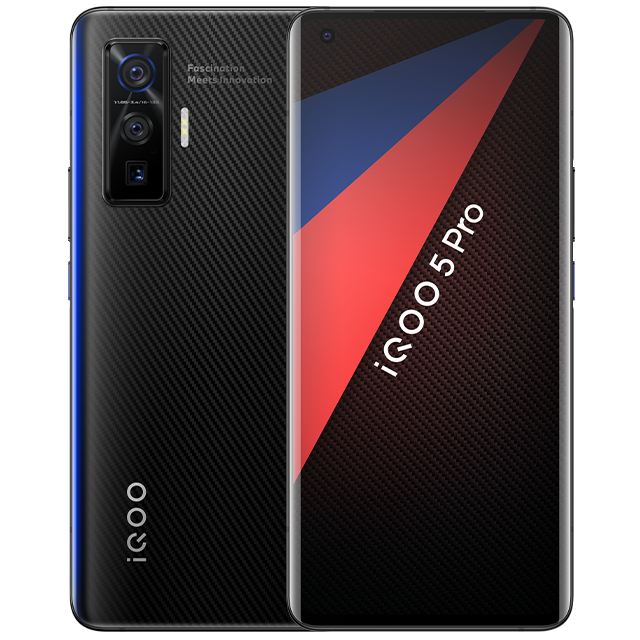
iQOO 5 and iQOO 5 Pro with 50MP Samsung GN1 sensor, 120W FlashCharge launched in China

Vivo’s iQOO sub-brand is gaining steady ground in China and other markets, largely thanks to some innovative technologies from its parent company. Devices like the iQOO 3 are one of the cheapest Snapdragon 865 phones around, while the company was also teasing its 120W FlashCharge solution. Today, at an event in China, iQOO has launched the iQOO 5 and iQOO 5 Pro, sporting its 120W FlashCharge solutions and a camera setup that is reminiscent of the Vivo X50 Pro+.

iQOO 5 and iQOO 5 Pro: Specifications

Specification iQOO 5 iQOO 5 Pro
Dimensions & Weight
  • 160 x 75.6 x 8.32 mm
  • 197g
  • Standard Variant:
    • 159.56 x 73.3 x 8.9 mm
    • 198g
  • Special Edition:
    • 159.56 x 73.3 x 9.53 mm
    • 196.7g
Display
  • 6.56″ FHD+ AMOLED
  • 2376 x 1080
  • 19.8:9 aspect ratio
  • 120Hz refresh rate
  • HDR10+
  • In-Display Fingerprint
  • Punch-hole front camera
  •  6.56″ FHD+ AMOLED
  • 2376 x 1080
  • 19.8:9 aspect ratio
  • 120Hz refresh rate
  • HDR10+
  • In-Display Fingerprint
  • Punch-hole front camera
SoC  Qualcomm Snapdragon 865:
  • 1x Kryo 585 (ARM Cortex-A77-based) Prime core @ 2.84GHz
  • 3x Kryo 585 (ARM Cortex-A77-based) Performance core @ 2.4GHz
  • 4x Kryo 385 (ARM Cortex A55-based) Efficiency cores @ 1.8GHz

Adreno 650

Qualcomm Snapdragon 865:
  • 1x Kryo 585 (ARM Cortex-A77-based) Prime core @ 2.84GHz
  • 3x Kryo 585 (ARM Cortex-A77-based) Performance core @ 2.4GHz
  • 4x Kryo 385 (ARM Cortex A55-based) Efficiency cores @ 1.8GHz

Adreno 650

RAM & Storage
  • 8GB, 12GB LPDDR5 RAM
  • 128GB, 256GB UFS 3.1
  • 8GB, 12GB LPDDR5 RAM
  • 256GB UFS 3.1
Battery & Charging
  • 4500mAh
  • 55W Fast Charging
  • 4000mAh
  • 120W Fast Charging
Rear Camera
  • Primary: 50MP, f/1.85
  • Secondary: 13MP, ultra-wide angle, f/2.2
  • Tertiary: 13MP, depth sensor, f/2.46

8K video recording

  • Primary: 50MP, f/1.85
  • Secondary: 13MP, ultra-wide angle, f/2.2
  • Tertiary: 8MP, periscope, f/3.4, 5x optical zoom, 60x digital zoom

8K video recording

Front Camera 16MP, f/2.45 16MP, f/2.45
Other Features
  • 5G: n1, n3, n41, n77, n78, n79, n28
  • Wi-Fi 6
  • Bluetooth 5.1
  • 5G: n1, n3, n41, n77, n78, n79, n28
  • Wi-Fi 6
  • Bluetooth 5.1
Android Version iQOO UI 1.5 based on Android 10 iQOO UI 1.5 based on Android 10h

As expected, the biggest star of the show is the Pro variant, but the iQOO 5 also packs in its own punch. The display on both the devices is a 120Hz 6.56″ FHD+ AMOLED with support for HDR10+. Both the phones come with the Qualcomm Snapdragon 865, alongside healthy amounts of LPDDR5 RAM and UFS 3.1 storage.

iQOO 5

The phones diverge when it comes to battery, charging, and cameras. The iQOO 5 has a bigger 4500mAh battery but “slower” 55W fast charging support, while the iQOO 5 Pro has a smaller 4000mAh battery with the insane 120W FlashCharge fast charging. This insane 120W fast charging solution goes from 0%-50% in 5 minutes, while a full charge takes about 15 minutes. The included FlashCharge fast charger is compatible with up to 65W USB PD and has a 1.5m cable, so you can actually use it for laptops too.

iQOO 5 Pro

For the cameras, the front camera on both the devices is a 16MP camera residing within the hole-punch in the display. For the rear, both the phones come with the 50MP Samsung ISOCELL GN1 custom sensor that we also see on the Vivo X50 Pro+, but note that just like that smartphone, these too do not have a gimbal setup for stabilization. Instead, both have EIS, while the iQOO 5 Pro has OIS too. The 13MP ultra-wide-angle camera is common to both phones. The third camera is different: the iQOO 5 gets a 13MP depth sensor, while the iQOO 5 Pro gets an 8MP periscope camera that is capable of 5x optical zoom and 60x digital zoom. Both the phones can shoot in 8K.

Pricing and Availability

The devices will be available for the following prices in China:

  • iQOO 5:
    • 8GB + 128GB: CNY 3998 (~$576/₹43,000)
    • 12GB + 128GB: CNY 4298 (~$619/₹46,250)
    • 12GB + 256GB: CNY 4598 (~$662/₹49,500)
  • iQOO 5 Pro:
    • 8GB + 256GB: CNY 4998 (~$720/₹53,750)
    • 12GB + 256GB: CNY 5498 (~$792/₹59,250)

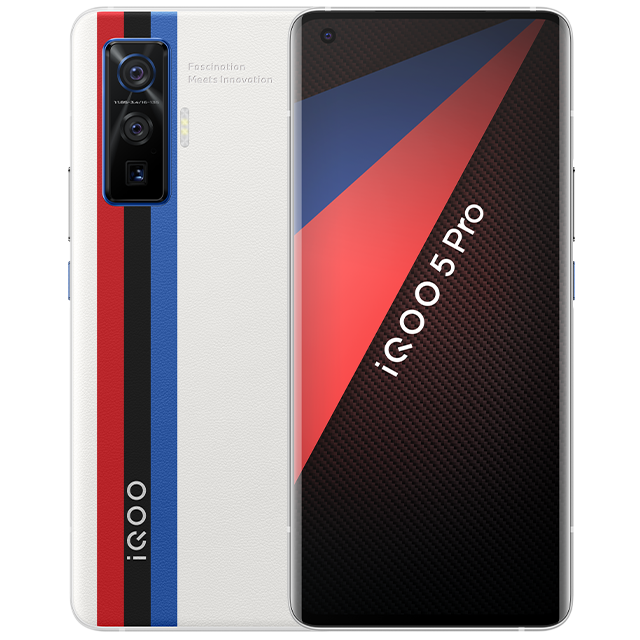
The Pro also gets a special BMW Edition on the top variant, with a leather finish on the back and a color palette that stands out.

It is currently unknown if the devices will make their way out of China.


What are your thoughts on the iQOO 5 and iQOO 5 Pro? Let us know in the comments below!

The post iQOO 5 and iQOO 5 Pro with 50MP Samsung GN1 sensor, 120W FlashCharge launched in China appeared first on xda-developers.


from xda-developers https://ift.tt/31Y3ysL
via IFTTT

iQOO 5 and iQOO 5 Pro with 50MP Samsung GN1 sensor, 120W FlashCharge launched in China

Vivo’s iQOO sub-brand is gaining steady ground in China and other markets, largely thanks to some innovative technologies from its parent company. Devices like the iQOO 3 are one of the cheapest Snapdragon 865 phones around, while the company was also teasing its 120W FlashCharge solution. Today, at an event in China, iQOO has launched the iQOO 5 and iQOO 5 Pro, sporting its 120W FlashCharge solutions and a camera setup that is reminiscent of the Vivo X50 Pro+.

iQOO 5 and iQOO 5 Pro: Specifications

Specification iQOO 5 iQOO 5 Pro
Dimensions & Weight
  • 160 x 75.6 x 8.32 mm
  • 197g
  • Standard Variant:
    • 159.56 x 73.3 x 8.9 mm
    • 198g
  • Special Edition:
    • 159.56 x 73.3 x 9.53 mm
    • 196.7g
Display
  • 6.56″ FHD+ AMOLED
  • 2376 x 1080
  • 19.8:9 aspect ratio
  • 120Hz refresh rate
  • HDR10+
  • In-Display Fingerprint
  • Punch-hole front camera
  •  6.56″ FHD+ AMOLED
  • 2376 x 1080
  • 19.8:9 aspect ratio
  • 120Hz refresh rate
  • HDR10+
  • In-Display Fingerprint
  • Punch-hole front camera
SoC  Qualcomm Snapdragon 865:
  • 1x Kryo 585 (ARM Cortex-A77-based) Prime core @ 2.84GHz
  • 3x Kryo 585 (ARM Cortex-A77-based) Performance core @ 2.4GHz
  • 4x Kryo 385 (ARM Cortex A55-based) Efficiency cores @ 1.8GHz

Adreno 650

Qualcomm Snapdragon 865:
  • 1x Kryo 585 (ARM Cortex-A77-based) Prime core @ 2.84GHz
  • 3x Kryo 585 (ARM Cortex-A77-based) Performance core @ 2.4GHz
  • 4x Kryo 385 (ARM Cortex A55-based) Efficiency cores @ 1.8GHz

Adreno 650

RAM & Storage
  • 8GB, 12GB LPDDR5 RAM
  • 128GB, 256GB UFS 3.1
  • 8GB, 12GB LPDDR5 RAM
  • 256GB UFS 3.1
Battery & Charging
  • 4500mAh
  • 55W Fast Charging
  • 4000mAh
  • 120W Fast Charging
Rear Camera
  • Primary: 50MP, f/1.85
  • Secondary: 13MP, ultra-wide angle, f/2.2
  • Tertiary: 13MP, depth sensor, f/2.46

8K video recording

  • Primary: 50MP, f/1.85
  • Secondary: 13MP, ultra-wide angle, f/2.2
  • Tertiary: 8MP, periscope, f/3.4, 5x optical zoom, 60x digital zoom

8K video recording

Front Camera 16MP, f/2.45 16MP, f/2.45
Other Features
  • 5G: n1, n3, n41, n77, n78, n79, n28
  • Wi-Fi 6
  • Bluetooth 5.1
  • 5G: n1, n3, n41, n77, n78, n79, n28
  • Wi-Fi 6
  • Bluetooth 5.1
Android Version iQOO UI 1.5 based on Android 10 iQOO UI 1.5 based on Android 10h

As expected, the biggest star of the show is the Pro variant, but the iQOO 5 also packs in its own punch. The display on both the devices is a 120Hz 6.56″ FHD+ AMOLED with support for HDR10+. Both the phones come with the Qualcomm Snapdragon 865, alongside healthy amounts of LPDDR5 RAM and UFS 3.1 storage.

iQOO 5

The phones diverge when it comes to battery, charging, and cameras. The iQOO 5 has a bigger 4500mAh battery but “slower” 55W fast charging support, while the iQOO 5 Pro has a smaller 4000mAh battery with the insane 120W FlashCharge fast charging. This insane 120W fast charging solution goes from 0%-50% in 5 minutes, while a full charge takes about 15 minutes. The included FlashCharge fast charger is compatible with up to 65W USB PD and has a 1.5m cable, so you can actually use it for laptops too.

iQOO 5 Pro

For the cameras, the front camera on both the devices is a 16MP camera residing within the hole-punch in the display. For the rear, both the phones come with the 50MP Samsung ISOCELL GN1 custom sensor that we also see on the Vivo X50 Pro+, but note that just like that smartphone, these too do not have a gimbal setup for stabilization. Instead, both have EIS, while the iQOO 5 Pro has OIS too. The 13MP ultra-wide-angle camera is common to both phones. The third camera is different: the iQOO 5 gets a 13MP depth sensor, while the iQOO 5 Pro gets an 8MP periscope camera that is capable of 5x optical zoom and 60x digital zoom. Both the phones can shoot in 8K.

Pricing and Availability

The devices will be available for the following prices in China:

  • iQOO 5:
    • 8GB + 128GB: CNY 3998 (~$576/₹43,000)
    • 12GB + 128GB: CNY 4298 (~$619/₹46,250)
    • 12GB + 256GB: CNY 4598 (~$662/₹49,500)
  • iQOO 5 Pro:
    • 8GB + 256GB: CNY 4998 (~$720/₹53,750)
    • 12GB + 256GB: CNY 5498 (~$792/₹59,250)

The Pro also gets a special BMW Edition on the top variant, with a leather finish on the back and a color palette that stands out.

It is currently unknown if the devices will make their way out of China.


What are your thoughts on the iQOO 5 and iQOO 5 Pro? Let us know in the comments below!

The post iQOO 5 and iQOO 5 Pro with 50MP Samsung GN1 sensor, 120W FlashCharge launched in China appeared first on xda-developers.


from xda-developers https://ift.tt/31Y3ysL
via IFTTT

Google Chrome’s latest experiments are designed to improve battery life and performance

In an attempt to improve Google Chrome’s performance and reduce its impact on battery life, Google is testing two new features for the browser. The first feature, which was spotted in a Chromium bug tracker page, adds a new battery-savings meta tag that will optimize websites that are known to have high CPU or battery costs. An explainer regarding the new meta tag states:

“Saving battery or CPU is important for computing devices that are not connected to an electrical source, or to better share common CPU & GPU resources among running processes…Web sites that are known to have high CPU or battery costs may want to request that the UA optimize for CPU or battery, even if the users has not requested it…Most modern OSes also have battery saving features that kick in either when the battery is low or the user wishes to save battery. Ideally web sites should be able to respect these settings. Sites may wish to advice the UA on which strategies work best for the side in these situations.”

The new meta tag in Google Chrome will allow websites to add meta tags to reduce framerate, allow generic slowdown of script execution, and change behavior based on battery-savings settings for better battery life. Websites will be able to add tags like <meta name=”battery-savings” content=”allow-reduced-framerate”> in order to do so. The meta tag will allow video or video conferencing websites to reduce CPU usage and improve battery life, slow down JavaScript tasks that don’t directly impact UX, and switch to the battery savings mode if a user wishes to do so.

The explainer further highlights that the battery savings feature will have the following components:

  • A meta tag that allows sites to indicate preferred modes.
  • Media queries allowing sites to adjust their style sheets according to battery savings.
  • Spec text saying that if the user or OS has gone into a battery savings mode, then the User Agent should apply one or more of the battery savings to the sites.
  • Spec text saying that UAs should respect the meta tag on a site unless it conflicts with user or OS settings.

The second feature, which aims to improve Google Chrome’s performance, is restricted to Android devices. The feature has been added to the browser under a new flag called cpu-affinity-restrict-to-little-cores, and its description reads as follows: “Restricts Chrome threads to LITTLE cores on devices with big.LITTLE or similar CPU architectures.”

As per a recent report from Chrome Story, the feature is expected to make Chrome more power-efficient on ARM devices and improve its performance. The feature is currently in the experimental stage, and Google is studying its impact on power consumption, smoothness, and other system health metrics. Therefore, we may have to wait quite a while before the feature makes its way to the stable version of the browser.

It’s worth noting that these aren’t the only features Google is adding to Chrome to improve its performance and reduce its impact on battery life. The company is expected to add a Back Forward Cache feature in Chrome 86 for Android, which will allow users to go back and forward in the browser a lot faster. Google is also testing throttling background JavaScript timers to improve Chrome’s impact on battery life.


Source: Chromium bug tracker, GitHub, Chromium Gerrit

The post Google Chrome’s latest experiments are designed to improve battery life and performance appeared first on xda-developers.


from xda-developers https://ift.tt/3kR7UKO
via IFTTT

Google Chrome’s latest experiments are designed to improve battery life and performance

In an attempt to improve Google Chrome’s performance and reduce its impact on battery life, Google is testing two new features for the browser. The first feature, which was spotted in a Chromium bug tracker page, adds a new battery-savings meta tag that will optimize websites that are known to have high CPU or battery costs. An explainer regarding the new meta tag states:

“Saving battery or CPU is important for computing devices that are not connected to an electrical source, or to better share common CPU & GPU resources among running processes…Web sites that are known to have high CPU or battery costs may want to request that the UA optimize for CPU or battery, even if the users has not requested it…Most modern OSes also have battery saving features that kick in either when the battery is low or the user wishes to save battery. Ideally web sites should be able to respect these settings. Sites may wish to advice the UA on which strategies work best for the side in these situations.”

The new meta tag in Google Chrome will allow websites to add meta tags to reduce framerate, allow generic slowdown of script execution, and change behavior based on battery-savings settings for better battery life. Websites will be able to add tags like <meta name=”battery-savings” content=”allow-reduced-framerate”> in order to do so. The meta tag will allow video or video conferencing websites to reduce CPU usage and improve battery life, slow down JavaScript tasks that don’t directly impact UX, and switch to the battery savings mode if a user wishes to do so.

The explainer further highlights that the battery savings feature will have the following components:

  • A meta tag that allows sites to indicate preferred modes.
  • Media queries allowing sites to adjust their style sheets according to battery savings.
  • Spec text saying that if the user or OS has gone into a battery savings mode, then the User Agent should apply one or more of the battery savings to the sites.
  • Spec text saying that UAs should respect the meta tag on a site unless it conflicts with user or OS settings.

The second feature, which aims to improve Google Chrome’s performance, is restricted to Android devices. The feature has been added to the browser under a new flag called cpu-affinity-restrict-to-little-cores, and its description reads as follows: “Restricts Chrome threads to LITTLE cores on devices with big.LITTLE or similar CPU architectures.”

As per a recent report from Chrome Story, the feature is expected to make Chrome more power-efficient on ARM devices and improve its performance. The feature is currently in the experimental stage, and Google is studying its impact on power consumption, smoothness, and other system health metrics. Therefore, we may have to wait quite a while before the feature makes its way to the stable version of the browser.

It’s worth noting that these aren’t the only features Google is adding to Chrome to improve its performance and reduce its impact on battery life. The company is expected to add a Back Forward Cache feature in Chrome 86 for Android, which will allow users to go back and forward in the browser a lot faster. Google is also testing throttling background JavaScript timers to improve Chrome’s impact on battery life.


Source: Chromium bug tracker, GitHub, Chromium Gerrit

The post Google Chrome’s latest experiments are designed to improve battery life and performance appeared first on xda-developers.


from xda-developers https://ift.tt/3kR7UKO
via IFTTT

Facebook merges Messenger and Instagram chats on Android and iOS

Back in January last year, we learned that Facebook’s co-founder and CEO, Mark Zuckerberg, planned to unify the infrastructure of all three of the company’s messaging services — WhatsApp, Instagram, and Facebook Messenger. Even though reports from late last year suggested that the US Federal Trade Commission was planning on an injunction against Facebook’s interoperability rules, the company has now gone ahead and merged Instagram and Messenger chats.

According to a recent report from The Verge, several Instagram users in the US have noticed a new update pop-up on the app with the message “There’s a New Way to Message on Instagram” and a list of features including a “new colorful look for your chats,” additional emoji reactions, swipe-to-reply, and a feature that will allow users to “Chat with friends who use Facebook.”

Instagram Facebook Messenger integration

Tapping on the update button at the bottom replaces Instagram’s DM icon with the Messenger logo and the chats are given a new look. However, for now, the update doesn’t allow Instagram users to message people on Facebook.

Instagram Facebook Messenger icon

As of now, it isn’t clear when Facebook will allow Instagram users to contact people on Facebook. But since the feature has already been announced, the company may enable it via a server-side update any time soon. It’s also worth noting that when we first learned about the company’s plans to integrate its messaging platforms, sources familiar with the matter had revealed that Zuckerberg also planned on incorporating end-to-end encryption on all three apps. However, Facebook hasn’t revealed any information regarding that yet.


Via: The Verge

The post Facebook merges Messenger and Instagram chats on Android and iOS appeared first on xda-developers.


from xda-developers https://ift.tt/2Y5WQQ6
via IFTTT