LightBlog

lundi 18 mai 2020

OPPO and Vodafone announce partnership to bring OPPO smartphones to Vodafone’s European markets

OPPO launched its proper flagship for 2020, the OPPO Find X2 Pro in March, bringing over some key technologies to customers across Europe. While the phone does cement the company’s place among the premium Android OEMs, OPPO still has a lot of room to grow in terms of sales and market reach. Now, OPPO and Vodafone have announced a new comprehensive partnership agreement, bringing a broad range of OPPO’s smartphones to Vodafone’s European markets starting this month.

OPPO’s collaboration with Vodafone is intended to accelerate 5G adoption in the European region, and further expand the availability of OPPO products to more Vodafone markets and customers. This collaboration will allow the company’s A-series, Reno series, and Find X series to be available across Vodafone’s retail and online channels. In the first phase of the cooperation, markets covered include Germany, the United Kingdom, Spain, Portugal, Romania, Turkey, and the Netherlands, with more to come in the future.

The announcement further details that most of the company’s manufacturing facilities have resumed normal operation, allowing OPPO and Vodafone to ensure business continuity. Physical retail outlets are constrained because of the advisories issued on the COVID-19 pandemic, so the companies plan to develop their online sales channels to ensure continued support for customers.

This is a big opportunity for both the companies involved. For OPPO, this partnership brings an additional surface for product discovery by tapping into Vodafone’s existing marketing channels across Europe. For Vodafone, this presents ready availability of key flagships such as the Find X2 Pro as well as other smartphones from the company for use on their network, and in furtherance of their overall 5G proliferation goals. For customers, it presents itself as a good opportunity to pick up great smartphones from familiar channels, building upon the present trust and goodwill. The press release does not mention any carrier-exclusivity in the works, but that could also be a possibility.


Source: OPPO Newsroom

The post OPPO and Vodafone announce partnership to bring OPPO smartphones to Vodafone’s European markets appeared first on xda-developers.


from xda-developers https://ift.tt/36aA9gH
via IFTTT

HTC is joining the TWS earbuds club with the HTC U Ear

Truly wireless (TWS) earbuds have seen a significant uptick in popularity over the last year or so. Thanks to the trend kickstarted by Apple’s AirPods, several manufacturers have released their take on the hot new accessory. While a number of big-name OEMs, like Samsung and Huawei, have been offering TWS earbuds for a while now, we’ve seen quite a few other companies jump on the bandwagon in the last couple of months. On top of that, we have recently seen reports that suggest that even more brands, including OnePlus and POCO, are working on their own TWS earbuds. Despite its failing smartphone business, it now seems like HTC is also vying for a piece of the TWS pie with its upcoming HTC U Ear earbuds.

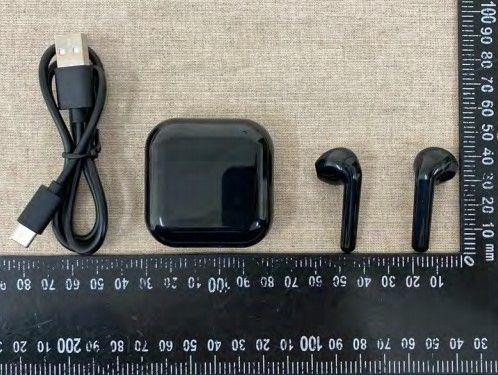
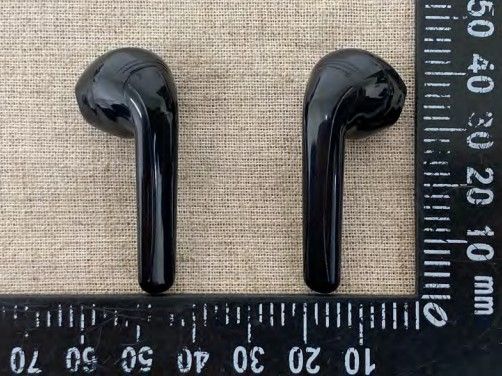
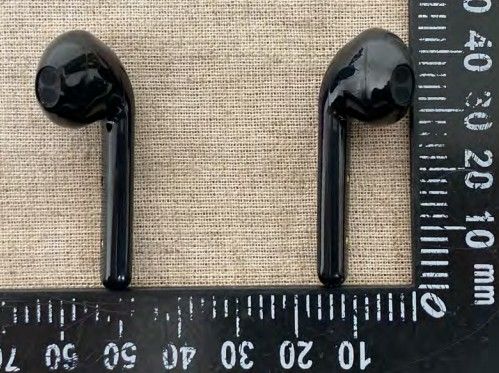
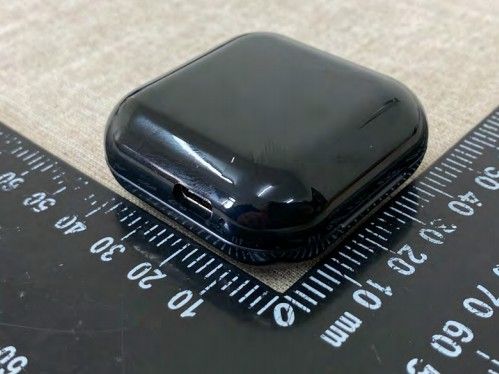
HTC U Ear HTC U Ear HTC U Ear HTC U Ear

According to a recent report from Fone Arena, the HTC U Ear earbuds were recently spotted on Taiwanese certification authority NCC’s website. The certification listing includes images of HTC’s first TWS earbuds that reveal a design similar to the first-gen Apple AirPods, with a couple of minor differences. As you can see in the attached images, the earbuds themselves look almost identical to the first-gen AirPods, except for the fact that its charging pins are located on the stem.

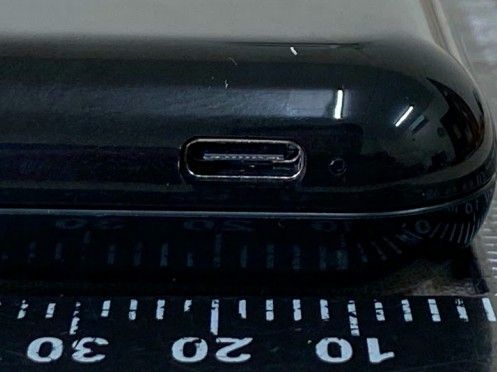
However, the square case isn’t all that similar and it opens up like a clamshell, unlike most other TWS earbuds in the market today. The case features a USB Type-C port for charging and the earbuds will ship with a USB Type-A to Type-C cable for this purpose. Even though the images only reveal a black color variant of the earbuds, we expect HTC to release more color options at the time of launch. Speaking of which, we currently have no official information regarding the launch but since the earbuds have already been certified in Taiwan, HTC could make an announcement in the coming weeks.


Source: FCC ID
Via: Fone Arena

The post HTC is joining the TWS earbuds club with the HTC U Ear appeared first on xda-developers.


from xda-developers https://ift.tt/3bILZQf
via IFTTT

HTC is joining the TWS earbuds club with the HTC U Ear

Truly wireless (TWS) earbuds have seen a significant uptick in popularity over the last year or so. Thanks to the trend kickstarted by Apple’s AirPods, several manufacturers have released their take on the hot new accessory. While a number of big-name OEMs, like Samsung and Huawei, have been offering TWS earbuds for a while now, we’ve seen quite a few other companies jump on the bandwagon in the last couple of months. On top of that, we have recently seen reports that suggest that even more brands, including OnePlus and POCO, are working on their own TWS earbuds. Despite its failing smartphone business, it now seems like HTC is also vying for a piece of the TWS pie with its upcoming HTC U Ear earbuds.

HTC U Ear HTC U Ear HTC U Ear HTC U Ear

According to a recent report from Fone Arena, the HTC U Ear earbuds were recently spotted on Taiwanese certification authority NCC’s website. The certification listing includes images of HTC’s first TWS earbuds that reveal a design similar to the first-gen Apple AirPods, with a couple of minor differences. As you can see in the attached images, the earbuds themselves look almost identical to the first-gen AirPods, except for the fact that its charging pins are located on the stem.

However, the square case isn’t all that similar and it opens up like a clamshell, unlike most other TWS earbuds in the market today. The case features a USB Type-C port for charging and the earbuds will ship with a USB Type-A to Type-C cable for this purpose. Even though the images only reveal a black color variant of the earbuds, we expect HTC to release more color options at the time of launch. Speaking of which, we currently have no official information regarding the launch but since the earbuds have already been certified in Taiwan, HTC could make an announcement in the coming weeks.


Source: FCC ID
Via: Fone Arena

The post HTC is joining the TWS earbuds club with the HTC U Ear appeared first on xda-developers.


from xda-developers https://ift.tt/3bILZQf
via IFTTT

Samsung is killing off its XR service and VR Video apps

Samsung has been a dominant player in the mobile VR space thanks to the Samsung Gear VR, which was made in collaboration with Oculus VR — the makers of the popular standalone VR headset Oculus Rift. The company was known for offering Gear VR headsets with its previous Samsung Galaxy flagships, but that ended with the Galaxy Note 10 and Note 10+ that launched in August last year, as both devices were incompatible with Gear VR. Then in October 2019, the company pulled the Gear VR from its online store and it was no longer available on Amazon or Best Buy in the U.S. Now, according to a recent report from CNET, Samsung is killing off its XR service and VR video apps.

The report cites an update on the Samsung XR website which states that “Samsung XR is ending service for its XR applications across web, mobile, and headset platforms. The service will terminate on September 30, 2020.” This revelation follows Oculus CTO John Carmack’s recent remark in which he essentially admitted that Gear VR is dead. Even though the company sold over 5 million Gear VR headsets by January 2017, it was quite evident that phone-based VR wasn’t taking off as many users found it inconvenient to put their phone into a headset and then take it out. Instead, standalone VR headsets like the Oculus Go and Oculus Quest have exploded in popularity.

It’s worth noting that last month, Facebook-owned Oculus killed software updates for Gear VR and they also discontinued access to films and the Oculus Video and Oculus 360° Photos apps. The company also stopped updating the Oculus Browser and announced plans to disallow developers to support Gear VR on new apps released to the Oculus Store after September 15. Interestingly, the Oculus SDK had already dropped support for Gear VR in December last year and it was followed by the Unity engine deprecating support in January this year.

Samsung has detailed a plan to gradually phase out its XR service and VR apps over the next few months. As per the plan, 360° video uploads have already been made unavailable, premium video purchases have been suspended, and updates for Samsung XR and Samsung VR Video clients have been shelved. By June 30, 2020, the Samsung VR Video app will no longer be supported on the Oculus Go, Oculus Rift, or Oculus Quest headsets and will be removed from the Oculus Store. And finally, by September 30, 2020, all Samsung XR user accounts will be disabled and removed, all user account information and associated data will be permanently deleted, all published videos will be removed from the Samsung XR services, the Samsung VR Video app will no longer be supported on Samsung Gear VR or Windows Odyssey, and the Samsung XR mobile app will no longer be supported on Android devices.


Via: CNET

Source: Samsung XR

The post Samsung is killing off its XR service and VR Video apps appeared first on xda-developers.


from xda-developers https://ift.tt/3bFNsqy
via IFTTT

Samsung is killing off its XR service and VR Video apps

Samsung has been a dominant player in the mobile VR space thanks to the Samsung Gear VR, which was made in collaboration with Oculus VR — the makers of the popular standalone VR headset Oculus Rift. The company was known for offering Gear VR headsets with its previous Samsung Galaxy flagships, but that ended with the Galaxy Note 10 and Note 10+ that launched in August last year, as both devices were incompatible with Gear VR. Then in October 2019, the company pulled the Gear VR from its online store and it was no longer available on Amazon or Best Buy in the U.S. Now, according to a recent report from CNET, Samsung is killing off its XR service and VR video apps.

The report cites an update on the Samsung XR website which states that “Samsung XR is ending service for its XR applications across web, mobile, and headset platforms. The service will terminate on September 30, 2020.” This revelation follows Oculus CTO John Carmack’s recent remark in which he essentially admitted that Gear VR is dead. Even though the company sold over 5 million Gear VR headsets by January 2017, it was quite evident that phone-based VR wasn’t taking off as many users found it inconvenient to put their phone into a headset and then take it out. Instead, standalone VR headsets like the Oculus Go and Oculus Quest have exploded in popularity.

It’s worth noting that last month, Facebook-owned Oculus killed software updates for Gear VR and they also discontinued access to films and the Oculus Video and Oculus 360° Photos apps. The company also stopped updating the Oculus Browser and announced plans to disallow developers to support Gear VR on new apps released to the Oculus Store after September 15. Interestingly, the Oculus SDK had already dropped support for Gear VR in December last year and it was followed by the Unity engine deprecating support in January this year.

Samsung has detailed a plan to gradually phase out its XR service and VR apps over the next few months. As per the plan, 360° video uploads have already been made unavailable, premium video purchases have been suspended, and updates for Samsung XR and Samsung VR Video clients have been shelved. By June 30, 2020, the Samsung VR Video app will no longer be supported on the Oculus Go, Oculus Rift, or Oculus Quest headsets and will be removed from the Oculus Store. And finally, by September 30, 2020, all Samsung XR user accounts will be disabled and removed, all user account information and associated data will be permanently deleted, all published videos will be removed from the Samsung XR services, the Samsung VR Video app will no longer be supported on Samsung Gear VR or Windows Odyssey, and the Samsung XR mobile app will no longer be supported on Android devices.


Via: CNET

Source: Samsung XR

The post Samsung is killing off its XR service and VR Video apps appeared first on xda-developers.


from xda-developers https://ift.tt/3bFNsqy
via IFTTT

MediaTek unveils the Dimensity 820, a 5G SoC for upper mid-range smartphones

Today, Taiwanese chipset maker MediaTek expanded its upper mid-range SoC lineup with the launch of MediaTek Dimensity 820. The Dimensity 820 succeeds the Dimensity 800 which the company unveiled earlier this year at CES 2020 (however it hasn’t appeared on a commercial phone yet) and slots in between the flagship Dimensity 1000 series and the gaming-focused Helio G90 series. The new chipset brings along faster CPU and GPU performance, support for 120Hz panels, and an improved ISP.

The Dimensity 820 is built on TSMC’s 7nm FinFET‌ process and uses the same CPU microarchitecture as the previous SoC, employing eight ARM cores in a big.LITTLE‌ arrangement. MediaTek was rather conservative about setting the clock speed of performance cores on the Dimensity 800 — especially considering the power efficiency of the 7nm process node. The company is targeting much higher frequency this time around with all four ARM Cortex-A76 performance cores clocked at 2.6GHz, up from 2.0GHz clock speed on the Dimensity 800. MediaTek isn’t detailing whether this boost comes at the cost of efficiency but this jump does give the chipset an edge over the Snapdragon 765G in terms of raw CPU power. What hasn’t changed are the four ARM‌ Cortex-A55 efficiency cores which run at the same 2.0GHz frequency.

SoC Dimensity 800 Dimensity 820 Snapdragon 765G
CPU 4x ARM Cortex-A76 @ 2.0GHz

4x ARM Cortex-A55 @ 2.0GHz

4x ARM Cortex-A76 @ 2.6GHz

4x ARM Cortex-A55 @ 2.0GHz

1x Kryo 475 (ARM Cortex-A76-based) Prime core @ 2.4GHz

1x Kryo 475 (ARM Cortex-A76-based) Performance core @ 2.2GHz

6x ARM Cortex-A55 @ 1.8GHz

GPU ARM Mali G57 (4x cores) ARM Mali G57 (5x cores) Adreno 620
Memory LPDDR4X LPDDR4X LPDDR4X
NPU/APU
  • MediaTek APU 3.0
  • Up to 2.4TOPs AI performance
  • MediaTek APU 3.0
  • Up to 2.4TOPs AI performance
  • Hexagon 696
  • Tensor Accelerator
  • Hexagon Vector eXtensions
  • Up to 5.5 TOPS AI performance (combined CPU+ GPU+Tensor+HVX)
ISP
  • Imagiq ISP
  • 1x 64MP or 32MP+16MP
  • Imagiq 5.0 ISP
  • 1x 80MP
  • Four concurrent cameras
  • Spectra 355 ISP
  • 1x 192MP or 2x 22MP with ZSL
Encode/Decode
H.264,  H.265 (HEVC),  VP-9
H.264, H.265 (HEVC), VP-9 H.264, H.265 (HEVC), VP9
Modem
  • Integrated 5G modem
  • 5G Sub-6GHz
  • Integrated 5G modem
  • 5G Sub-6GHz
  • X52 integrated modem
  • 5G Sub-6GHz
  • mmWave
Fabrication process TSMC 7nm TSMC 7nm Samsung 7nm

On the GPU‌ side, the Dimensity 820 utilizes a 5 core variant of the ARM Mali-G57 GPU, a minor bump over the 4 core variant of the Dimensity 800. For an improved gaming experience, MediaTek’s HyerEngine 2.0 is also on board which provides a range of software-based enhancements for better graphics performance including intelligent allocation of CPU, GPU and memory, network latency optimizations, call and data concurrency, enhanced HDR‌ visuals and more.

Another area where the new chipset brings a notable upgrade is the support for high refresh rate panels. While the Dimensity 800 supported high refresh panels, it could only handle FHD+ displays at a 90Hz refresh rate. Dimensity 820, on the other hand, supports driving FHD+ displays at up to 120Hz refresh rates. Moreover, the SoC also supports MiraVision display enhancement technology that offers OEMs to implement various software-based features to improve the viewing experience. These enhancements include the ability to upscale low-res content to Full HD, HDR‌10 Remapping, blue light filter, and brightness dimmer for better nighttime reading experience and ClearMotion feature that automatically converts standard 24/30fps content to 60 or 120fps on supported displays.

The Image Signal Processor (ISP), which MediaTek calls Imagiq 5.0, also sees an upgrade with the chipset now supporting up to 80MP camera sensors, up from 64MP camera support on the Dimensity 800,  and four concurrent cameras. The Imagiq 5.0 also promises Action Camera-grade Electronic Image Stabilization (EIS), multi-frame 4K HDR‌ video recording, real-time video bokeh, and improved noise reduction.

Just like other SoCs in the Dimensity portfolio, the MediaTek Dimensity 820 also features an integrated 5G modem with support for both Standalone (SA) and Non-standalone (NSA) Sub-6GHz networks. The modem supports 5G Carrier Aggregation, dual SIM standby, Dynamic Spectrum Sharing (DSS), and Voice Over New Radio (VoNR) on both SIMs.

Xiaomi was on stage during the announcement, announcing that the Redmi 10X will be one of the first phones to be powered by the MediaTek Dimensity 820 SoC.

The post MediaTek unveils the Dimensity 820, a 5G SoC for upper mid-range smartphones appeared first on xda-developers.


from xda-developers https://ift.tt/2WFGT2L
via IFTTT

MediaTek unveils the Dimensity 820, a 5G SoC for upper mid-range smartphones

Today, Taiwanese chipset maker MediaTek expanded its upper mid-range SoC lineup with the launch of MediaTek Dimensity 820. The Dimensity 820 succeeds the Dimensity 800 which the company unveiled earlier this year at CES 2020 (however it hasn’t appeared on a commercial phone yet) and slots in between the flagship Dimensity 1000 series and the gaming-focused Helio G90 series. The new chipset brings along faster CPU and GPU performance, support for 120Hz panels, and an improved ISP.

The Dimensity 820 is built on TSMC’s 7nm FinFET‌ process and uses the same CPU microarchitecture as the previous SoC, employing eight ARM cores in a big.LITTLE‌ arrangement. MediaTek was rather conservative about setting the clock speed of performance cores on the Dimensity 800 — especially considering the power efficiency of the 7nm process node. The company is targeting much higher frequency this time around with all four ARM Cortex-A76 performance cores clocked at 2.6GHz, up from 2.0GHz clock speed on the Dimensity 800. MediaTek isn’t detailing whether this boost comes at the cost of efficiency but this jump does give the chipset an edge over the Snapdragon 765G in terms of raw CPU power. What hasn’t changed are the four ARM‌ Cortex-A55 efficiency cores which run at the same 2.0GHz frequency.

SoC Dimensity 800 Dimensity 820 Snapdragon 765G
CPU 4x ARM Cortex-A76 @ 2.0GHz

4x ARM Cortex-A55 @ 2.0GHz

4x ARM Cortex-A76 @ 2.6GHz

4x ARM Cortex-A55 @ 2.0GHz

1x Kryo 475 (ARM Cortex-A76-based) Prime core @ 2.4GHz

1x Kryo 475 (ARM Cortex-A76-based) Performance core @ 2.2GHz

6x ARM Cortex-A55 @ 1.8GHz

GPU ARM Mali G57 (4x cores) ARM Mali G57 (5x cores) Adreno 620
Memory LPDDR4X LPDDR4X LPDDR4X
NPU/APU
  • MediaTek APU 3.0
  • Up to 2.4TOPs AI performance
  • MediaTek APU 3.0
  • Up to 2.4TOPs AI performance
  • Hexagon 696
  • Tensor Accelerator
  • Hexagon Vector eXtensions
  • Up to 5.5 TOPS AI performance (combined CPU+ GPU+Tensor+HVX)
ISP
  • Imagiq ISP
  • 1x 64MP or 32MP+16MP
  • Imagiq 5.0 ISP
  • 1x 80MP
  • Four concurrent cameras
  • Spectra 355 ISP
  • 1x 192MP or 2x 22MP with ZSL
Encode/Decode
H.264,  H.265 (HEVC),  VP-9
H.264, H.265 (HEVC), VP-9 H.264, H.265 (HEVC), VP9
Modem
  • Integrated 5G modem
  • 5G Sub-6GHz
  • Integrated 5G modem
  • 5G Sub-6GHz
  • X52 integrated modem
  • 5G Sub-6GHz
  • mmWave
Fabrication process TSMC 7nm TSMC 7nm Samsung 7nm

On the GPU‌ side, the Dimensity 820 utilizes a 5 core variant of the ARM Mali-G57 GPU, a minor bump over the 4 core variant of the Dimensity 800. For an improved gaming experience, MediaTek’s HyerEngine 2.0 is also on board which provides a range of software-based enhancements for better graphics performance including intelligent allocation of CPU, GPU and memory, network latency optimizations, call and data concurrency, enhanced HDR‌ visuals and more.

Another area where the new chipset brings a notable upgrade is the support for high refresh rate panels. While the Dimensity 800 supported high refresh panels, it could only handle FHD+ displays at a 90Hz refresh rate. Dimensity 820, on the other hand, supports driving FHD+ displays at up to 120Hz refresh rates. Moreover, the SoC also supports MiraVision display enhancement technology that offers OEMs to implement various software-based features to improve the viewing experience. These enhancements include the ability to upscale low-res content to Full HD, HDR‌10 Remapping, blue light filter, and brightness dimmer for better nighttime reading experience and ClearMotion feature that automatically converts standard 24/30fps content to 60 or 120fps on supported displays.

The Image Signal Processor (ISP), which MediaTek calls Imagiq 5.0, also sees an upgrade with the chipset now supporting up to 80MP camera sensors, up from 64MP camera support on the Dimensity 800,  and four concurrent cameras. The Imagiq 5.0 also promises Action Camera-grade Electronic Image Stabilization (EIS), multi-frame 4K HDR‌ video recording, real-time video bokeh, and improved noise reduction.

Just like other SoCs in the Dimensity portfolio, the MediaTek Dimensity 820 also features an integrated 5G modem with support for both Standalone (SA) and Non-standalone (NSA) Sub-6GHz networks. The modem supports 5G Carrier Aggregation, dual SIM standby, Dynamic Spectrum Sharing (DSS), and Voice Over New Radio (VoNR) on both SIMs.

Xiaomi was on stage during the announcement, announcing that the Redmi 10X will be one of the first phones to be powered by the MediaTek Dimensity 820 SoC.

The post MediaTek unveils the Dimensity 820, a 5G SoC for upper mid-range smartphones appeared first on xda-developers.


from xda-developers https://ift.tt/2WFGT2L
via IFTTT