LightBlog

dimanche 17 mai 2020

Ubisoft sues Google and Apple for hosting Alibaba’s Rainbow Six Siege clone

For every popular game out there, there’s an equally popular Chinese rip-off that eventually ends up getting sued by the original publisher. But we’ve hardly ever heard of a publisher suing the platform hosting the offending title. Well, that’s exactly what’s happening in the case of Alibaba’s Rainbow Six: Siege clone. According to a recent report from Bloomberg, Ubisoft has sued Google and Apple for hosting Alibaba’s ‘Area F2’ which is a near-identical clone of  Rainbox Six: Siege.

For the unaware, Area F2 is a game developed by Alibaba Group Holdings Ltd’s Ejoy.com which was released in the U.S. late last month. Ubisoft alleges that the game is a “near carbon copy” of Rainbow Six: Siege and that can’t “seriously be disputed.” The original game has over 55 million registered players around the world, according to Ubisoft’s copyright infringement lawsuit and it’s played by over 3 million people each day. Rainbow Six: Siege (R6S) is also played as a competitive “esport” and has both professional and semi-professional teams competing for millions of dollars in prizes.

In a statement regarding the matter, Ubisoft said, “R6S is among the most popular competitive multiplayer games in the world, and is among Ubisoft’s most valuable intellectual properties…Virtually every aspect of AF2 is copied from R6S, from the operator selection screen to the final scoring screen, and everything in between.” Due to this, the company had previously notified Apple and Google that Area F2 is infringing its copyrights, but the companies refused to remove the game from the Google Play Store and Apple App Store. This eventually led to Ubisoft suing both Apple and Google, accusing the companies of selling a ripoff of R6S on their respective platforms.

As of now, representatives from Google have offered no comment on the lawsuit. On the other hand, Alibaba and Apple didn’t respond to requests for comment made after regular business hours.


Via: Bloomberg

The post Ubisoft sues Google and Apple for hosting Alibaba’s Rainbow Six Siege clone appeared first on xda-developers.


from xda-developers https://ift.tt/36kohc5
via IFTTT

Ubisoft sues Google and Apple for hosting Alibaba’s Rainbow Six Siege clone

For every popular game out there, there’s an equally popular Chinese rip-off that eventually ends up getting sued by the original publisher. But we’ve hardly ever heard of a publisher suing the platform hosting the offending title. Well, that’s exactly what’s happening in the case of Alibaba’s Rainbow Six: Siege clone. According to a recent report from Bloomberg, Ubisoft has sued Google and Apple for hosting Alibaba’s ‘Area F2’ which is a near-identical clone of  Rainbox Six: Siege.

For the unaware, Area F2 is a game developed by Alibaba Group Holdings Ltd’s Ejoy.com which was released in the U.S. late last month. Ubisoft alleges that the game is a “near carbon copy” of Rainbow Six: Siege and that can’t “seriously be disputed.” The original game has over 55 million registered players around the world, according to Ubisoft’s copyright infringement lawsuit and it’s played by over 3 million people each day. Rainbow Six: Siege (R6S) is also played as a competitive “esport” and has both professional and semi-professional teams competing for millions of dollars in prizes.

In a statement regarding the matter, Ubisoft said, “R6S is among the most popular competitive multiplayer games in the world, and is among Ubisoft’s most valuable intellectual properties…Virtually every aspect of AF2 is copied from R6S, from the operator selection screen to the final scoring screen, and everything in between.” Due to this, the company had previously notified Apple and Google that Area F2 is infringing its copyrights, but the companies refused to remove the game from the Google Play Store and Apple App Store. This eventually led to Ubisoft suing both Apple and Google, accusing the companies of selling a ripoff of R6S on their respective platforms.

As of now, representatives from Google have offered no comment on the lawsuit. On the other hand, Alibaba and Apple didn’t respond to requests for comment made after regular business hours.


Via: Bloomberg

The post Ubisoft sues Google and Apple for hosting Alibaba’s Rainbow Six Siege clone appeared first on xda-developers.


from xda-developers https://ift.tt/36kohc5
via IFTTT

Facebook is reportedly being investigated by India over WhatsApp Pay

Facebook-owned WhatsApp has been trying to enter the payments space in India for quite a while now. We first found signs of a new payments feature in the app all the way back in 2017 and the feature briefly rolled out to a small number of users back in 2018. However, due to data localization issues with the National Payments Corporation of India (NPCI), a wider rollout was pushed back indefinitely. The company has since been in constant talks with the government, with Facebook’s Mark Zuckerberg even assuring that the payments service will be launched in India soon. Despite Zuckerberg’s assurances, late last year the Reserve Bank of India directed the Supreme Court that WhatsApp Pay was still not compliant with India’s data localization norms and asked the NPCI to stop its rollout.

Earlier this year, WhatsApp finally managed to cross all the hurdles and received regulatory approval to launch its payments platform in the country. In preparation for the home stretch, the company planned to launch a pilot run to extend the payments feature to 10 million users, with a nation-wide rollout scheduled for later this year. But as a recent report from Reuters points out, WhatsApp now has another major hurdle to overcome before it can reach the finish line.

According to three people familiar with the matter, the Competition Commission of India (CCI) is currently reviewing a complaint filed in mid-March which alleges that WhatsApp is abusing its market position in the country by offering the digital payments facility within its messaging app that has a user base of around 400 million users in the country. This is expected to give WhatsApp a significant edge over the competition, like Google Pay and PayTM, which the complainant deems unfair. The CCI can now order its investigations arm to conduct a wider probe into the allegations or throw out the case if it finds no merit in it.

One of the three sources further revealed that, “The case is in inital stages…senior members of CCI are reviewing it but a final decision hasn’t been reached.” The second source added that due to the fact that WhatsApp’s messenger service and its payments feature are bundled together, it could harm competition and violate the country’s antitrust laws. It’s also worth noting that while the antitrust case has been filed against both Facebook and WhatsApp, the complainant has urged the CCI to investigate only WhatsApp. We currently have no official information from WhatsApp, Facebook, or the CCI regarding the matter.


Source: Reuters

The post Facebook is reportedly being investigated by India over WhatsApp Pay appeared first on xda-developers.


from xda-developers https://ift.tt/2LECxm9
via IFTTT

Facebook is reportedly being investigated by India over WhatsApp Pay

Facebook-owned WhatsApp has been trying to enter the payments space in India for quite a while now. We first found signs of a new payments feature in the app all the way back in 2017 and the feature briefly rolled out to a small number of users back in 2018. However, due to data localization issues with the National Payments Corporation of India (NPCI), a wider rollout was pushed back indefinitely. The company has since been in constant talks with the government, with Facebook’s Mark Zuckerberg even assuring that the payments service will be launched in India soon. Despite Zuckerberg’s assurances, late last year the Reserve Bank of India directed the Supreme Court that WhatsApp Pay was still not compliant with India’s data localization norms and asked the NPCI to stop its rollout.

Earlier this year, WhatsApp finally managed to cross all the hurdles and received regulatory approval to launch its payments platform in the country. In preparation for the home stretch, the company planned to launch a pilot run to extend the payments feature to 10 million users, with a nation-wide rollout scheduled for later this year. But as a recent report from Reuters points out, WhatsApp now has another major hurdle to overcome before it can reach the finish line.

According to three people familiar with the matter, the Competition Commission of India (CCI) is currently reviewing a complaint filed in mid-March which alleges that WhatsApp is abusing its market position in the country by offering the digital payments facility within its messaging app that has a user base of around 400 million users in the country. This is expected to give WhatsApp a significant edge over the competition, like Google Pay and PayTM, which the complainant deems unfair. The CCI can now order its investigations arm to conduct a wider probe into the allegations or throw out the case if it finds no merit in it.

One of the three sources further revealed that, “The case is in inital stages…senior members of CCI are reviewing it but a final decision hasn’t been reached.” The second source added that due to the fact that WhatsApp’s messenger service and its payments feature are bundled together, it could harm competition and violate the country’s antitrust laws. It’s also worth noting that while the antitrust case has been filed against both Facebook and WhatsApp, the complainant has urged the CCI to investigate only WhatsApp. We currently have no official information from WhatsApp, Facebook, or the CCI regarding the matter.


Source: Reuters

The post Facebook is reportedly being investigated by India over WhatsApp Pay appeared first on xda-developers.


from xda-developers https://ift.tt/2LECxm9
via IFTTT

[Giveaway] This Android app brings back widgets to your lockscreen

Even in 2020 Android devices running Android 10 can party like it’s 1999 2013 with Lockscreen Widgets by XDA Recognized Developer/Contributor Zachary Wander (Zacharee1). As the name suggests, the app restores the ability from Android 4.4 KitKat and before to add widgets to the Android lockscreen. It works on any Android device running Android 5.1 Lollipop and later!

After installing the app and opening it, it’ll walk you through some tutorial screens and prompt you to grant accessibility and notification access permissions. No personal data is collected so it’s safe to grant those permissions. The Accessibility Service privilege is necessary to grant as it’s what allows the app to display an overlay on top of the lockscreen. The notification listener privilege is only needed if you want the app to hide the widget whenever notifications are displayed.

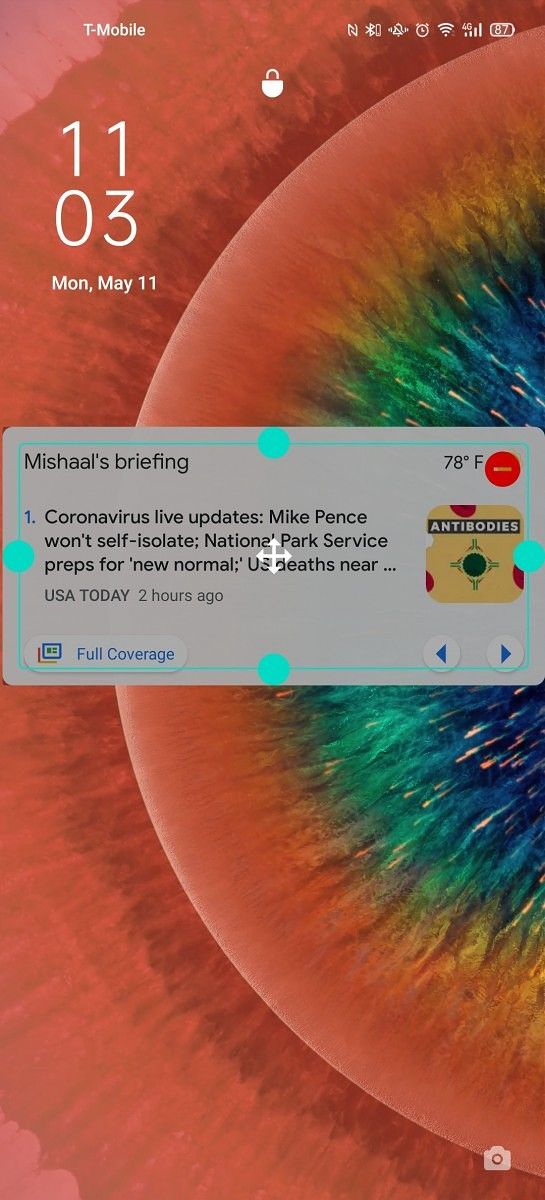
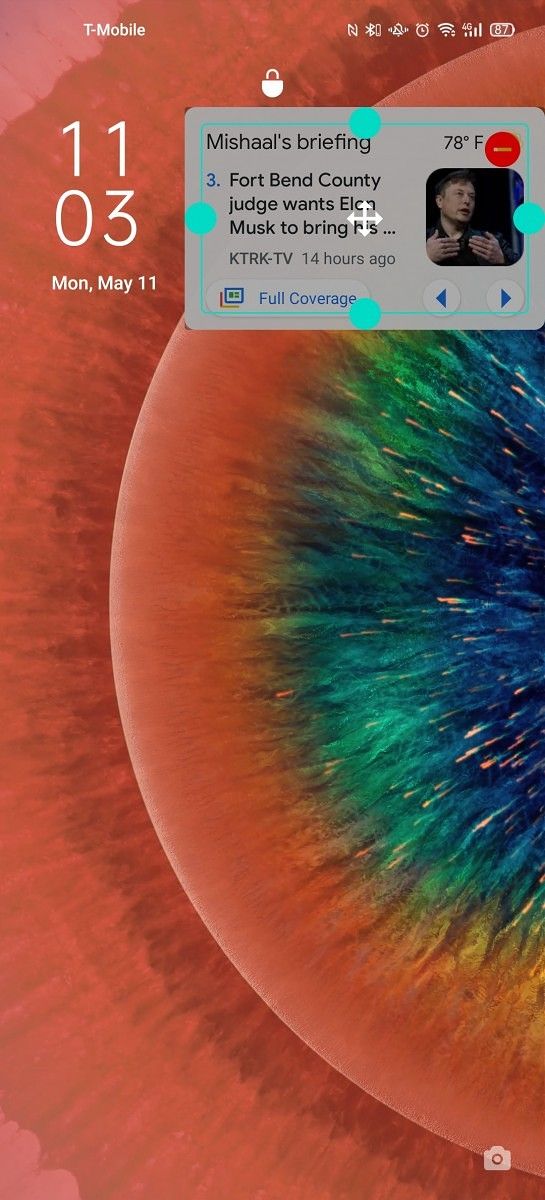
Then once you’ve granted those permissions, go to your lockscreen and you’ll see a “+” sign, which opens the list of available widgets when you tap on it. After adding a widget, you can also resize it, move it around, or remove it when you open the editor by pressing on the widget with two fingers simultaneously. If you add multiple widgets, you’ll be able to simply swipe right or left between them. If you want to add even more widgets, simply swipe the widget carousal until you reach the last page—the + button will always be there.

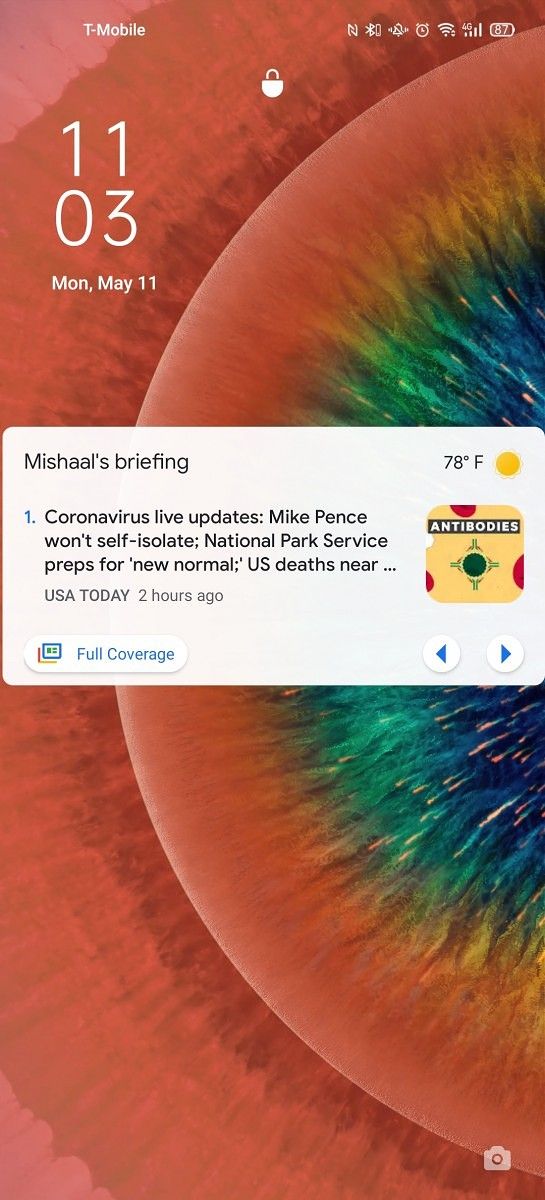
In the gallery below you can see screenshots that show the Google News widget on the lockscreen. These screenshots were made on our OPPO Find X2 Pro running ColorOS 7.1, but the app was also tested on a Google Pixel 4 running Android 10 and a Samsung Galaxy Note 9 running One UI 2.0 based on Android 10 and a OnePlus 6T running OxygenOS 10 based on Android 10.

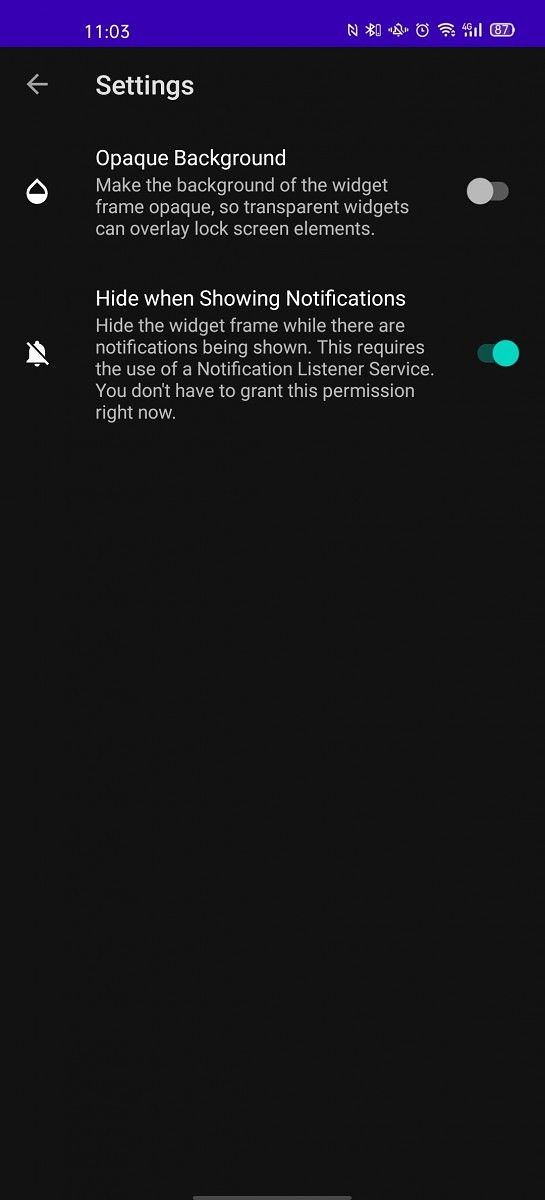
You can also choose to make the background of the lockscreen widget opaque in case you want to overlay parts of the original lockscreen. You can also enable the aforementioned ability to hide the widget frame when you have a pending notification, though this requires that you enable the app’s notification listener.

You can read more about Lockscreen Widgets in the dedicated forum thread or peruse the source code in the app’s GitHub repository. The app normally sets you back $1.49 but we have 50 promotional codes to give away, courtesy of the developer. We will be posting these codes 10 at a time in the comments section on each hour. To redeem a code, open the Google Play Store then select “Redeem” at the bottom of the sidebar menu.

Lockscreen Widgets ($1.49, Google Play) →

The post [Giveaway] This Android app brings back widgets to your lockscreen appeared first on xda-developers.


from xda-developers https://ift.tt/3bGP6bo
via IFTTT

[Giveaway] This Android app brings back widgets to your lockscreen

Even in 2020 Android devices running Android 10 can party like it’s 1999 2013 with Lockscreen Widgets by XDA Recognized Developer/Contributor Zachary Wander (Zacharee1). As the name suggests, the app restores the ability from Android 4.4 KitKat and before to add widgets to the Android lockscreen. It works on any Android device running Android 5.1 Lollipop and later!

After installing the app and opening it, it’ll walk you through some tutorial screens and prompt you to grant accessibility and notification access permissions. No personal data is collected so it’s safe to grant those permissions. The Accessibility Service privilege is necessary to grant as it’s what allows the app to display an overlay on top of the lockscreen. The notification listener privilege is only needed if you want the app to hide the widget whenever notifications are displayed.

Then once you’ve granted those permissions, go to your lockscreen and you’ll see a “+” sign, which opens the list of available widgets when you tap on it. After adding a widget, you can also resize it, move it around, or remove it when you open the editor by pressing on the widget with two fingers simultaneously. If you add multiple widgets, you’ll be able to simply swipe right or left between them. If you want to add even more widgets, simply swipe the widget carousal until you reach the last page—the + button will always be there.

In the gallery below you can see screenshots that show the Google News widget on the lockscreen. These screenshots were made on our OPPO Find X2 Pro running ColorOS 7.1, but the app was also tested on a Google Pixel 4 running Android 10 and a Samsung Galaxy Note 9 running One UI 2.0 based on Android 10 and a OnePlus 6T running OxygenOS 10 based on Android 10.

You can also choose to make the background of the lockscreen widget opaque in case you want to overlay parts of the original lockscreen. You can also enable the aforementioned ability to hide the widget frame when you have a pending notification, though this requires that you enable the app’s notification listener.

You can read more about Lockscreen Widgets in the dedicated forum thread or peruse the source code in the app’s GitHub repository. The app normally sets you back $1.49 but we have 50 promotional codes to give away, courtesy of the developer. We will be posting these codes 10 at a time in the comments section on each hour. To redeem a code, open the Google Play Store then select “Redeem” at the bottom of the sidebar menu.

Lockscreen Widgets ($1.49, Google Play) →

The post [Giveaway] This Android app brings back widgets to your lockscreen appeared first on xda-developers.


from xda-developers https://ift.tt/3bGP6bo
via IFTTT

Wavelet is an Android app that can make your headphones sound much better with automatic EQ

Apps or mods that significantly improve the sound quality of your Android device often require root access, but that is not the case for Wavelet, an app developed by XDA Senior Member pittvandewitt. While the app is designed primarily for headphones, I’ve found its benefits extend to the phone’s speakers and even my car’s stereo over Bluetooth.

Wavelet features

The main features of Wavelet mentioned in the app’s accompanying XDA Forums thread are as follows:

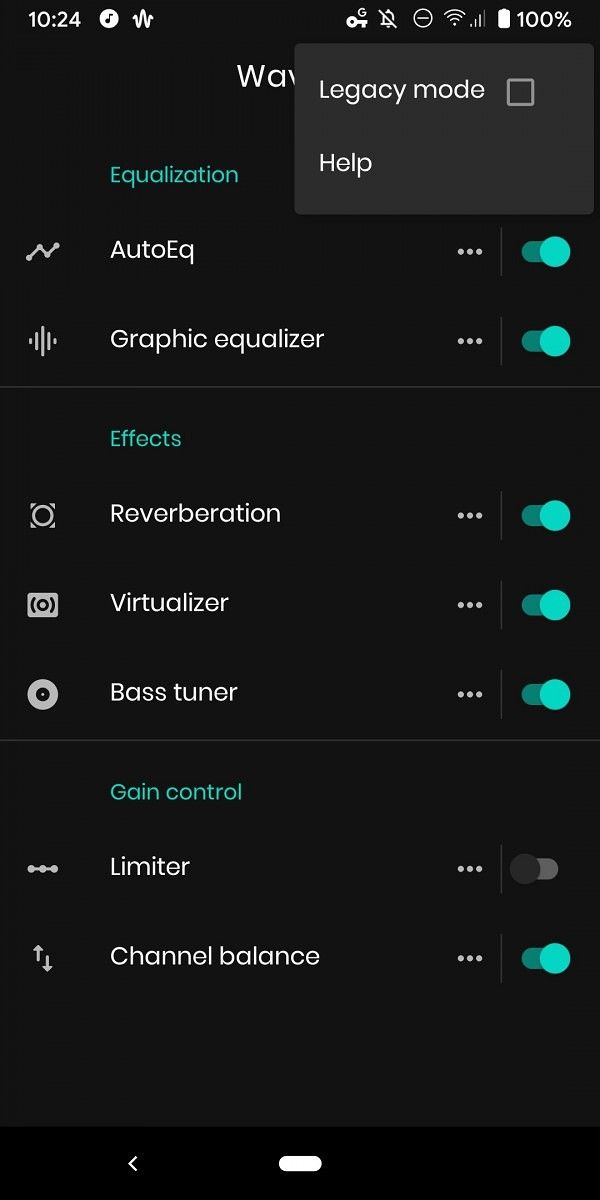
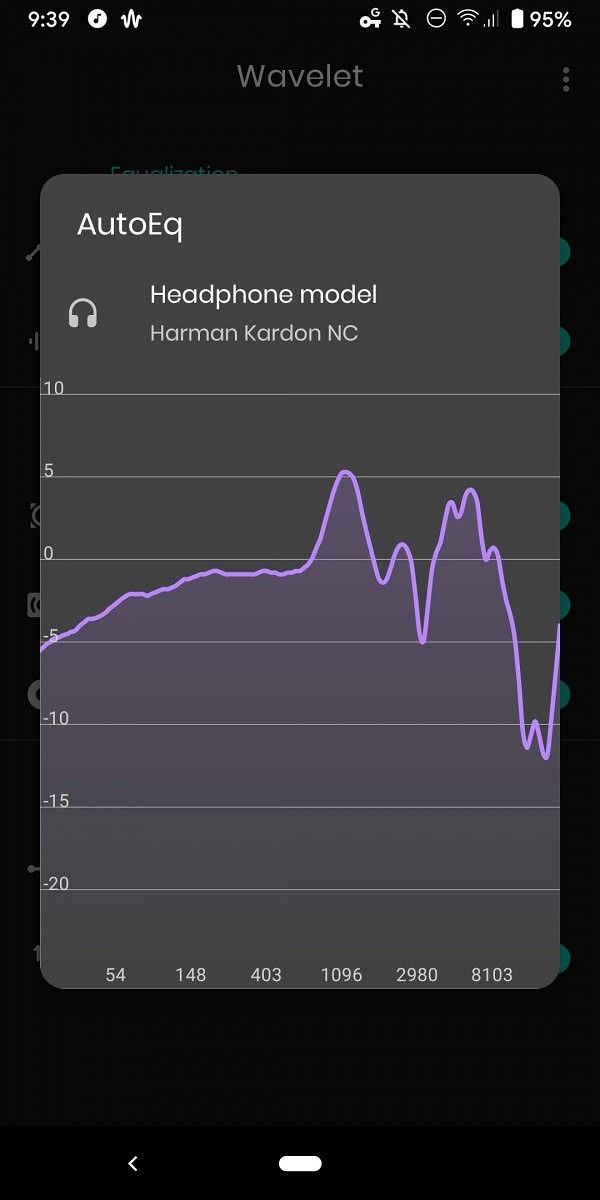
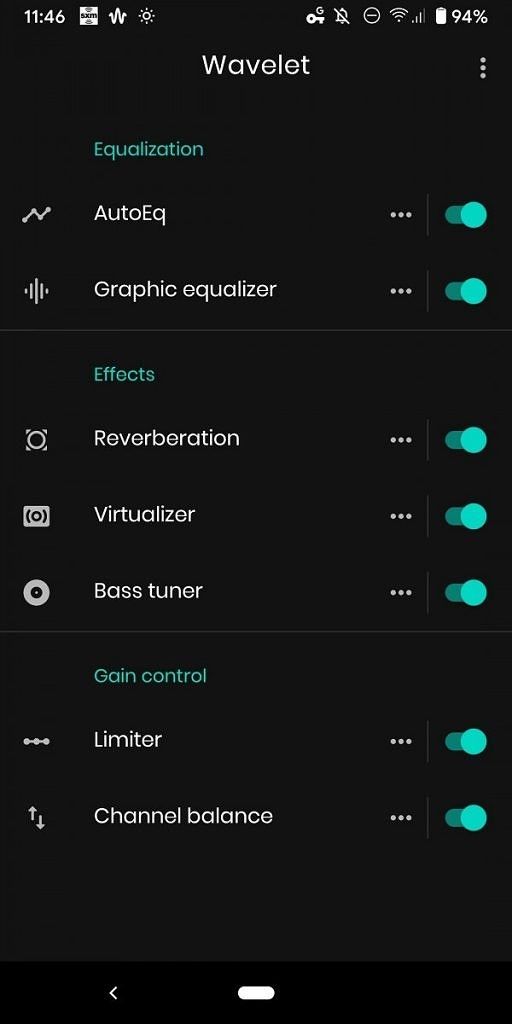
  • You can use AutoEq to equalize your headphones to the Harman standard. The graph visualizes the compensation applied.
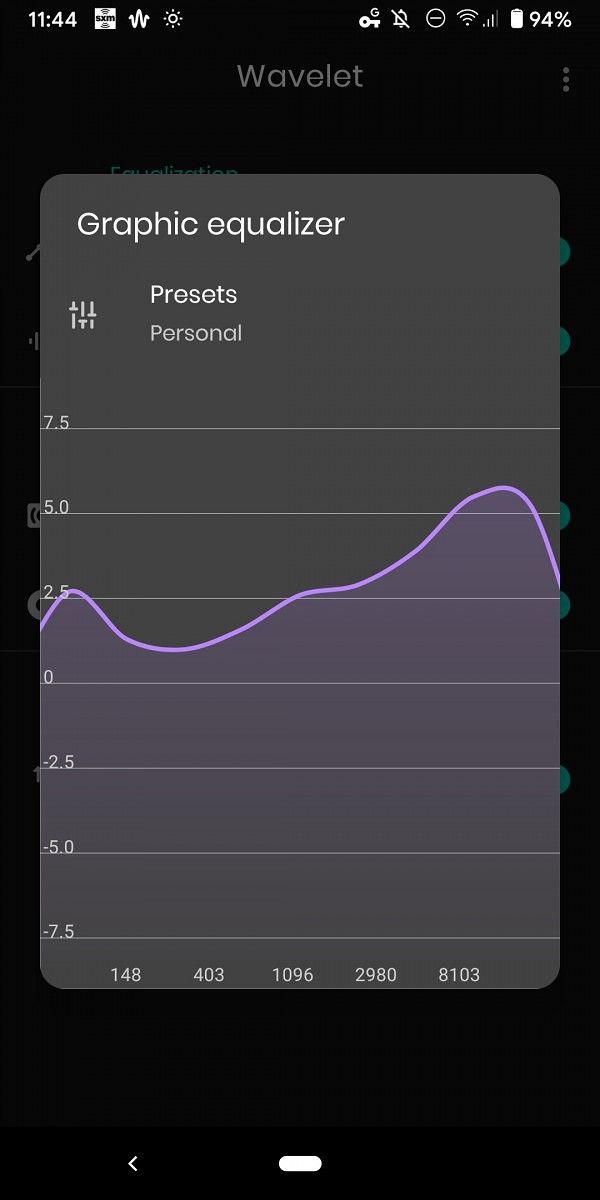
  • There’s a 9 band graphical equalizer you can use to fine-tune the result or set up when your headphones don’t appear to be available in the database.
  • The effects section offers effects such as bass boost, virtualization, and reverberation. There’s a bass tuner option too to give your beats that little extra thump, or reduce bass if you’re not a basshead.
  • At the bottom, you can find the gain controls. There’s a limiter allowing you to reduce dynamic range and a channel balance feature for when you find one channel playing too loud or if you just want to reduce the overall output volume.

For an easy-to-understand explanation of the features including Legacy mode, AutoEq, Graphic equalizer, Bass boost, Reverberation, Virtualizer, Bass tuner, Limiter, and Channel balance it’s highly recommended that you consult the Wavelet guide on GitHub. For the purposes of this article, I’ll summarize the guide and provide relevant screenshots. Legacy mode, AutoEq, Graphic equalizer, and Channel balance come standard while unlocking the Reverberation, Virtualizer, and Bass tuner effects will require an in-app purchase of $5.49.
Make your headphones sound better with Wavelet

Legacy mode

Legacy mode is a limited-functionality mode that offers maximum compatibility. Depending on your device manufacturer’s audio framework implementation, it should work with most music apps that come preinstalled on your phone. Examples of apps it should be compatible with include Tidal, YouTube, Soundcloud, Qobuz, Neutron, and PowerAmp.

Most major music apps such as Spotify, YouTube Music, Shuttle, Phonograph, and Google Play Music will open their own global audio sessions which Wavelet automatically uses, so you won’t need legacy mode for these (thus it’s turned off by default). In my experience, SiriusXM’s Android app also works without needing legacy mode. Below is an example of how the legacy mode works: In Google Play Music (which as I mentioned doesn’t need legacy mode as the left screenshot shows), the Reverberation and Limiter features are disabled (right screenshot).

AutoEq: the backbone of Wavelet headphone optimization

The basis of Wavelet’s ability to optimize equalization to your particular headphones is a database of over 2,300 sound profiles tailored to specific brands published in GitHub by a developer named jaakkopasanen (if GitHub isn’t your native language you can read more about this database on Medium or Reddit). Though my headphones are a cheap USB-C set not recognized by the AutoEq database, for the purposes of this article I selected the Harman Kardon NC profile. Once you start typing in the search field (first screenshot) a list of headphone profiles will appear (second screenshot) and you’ll see its optimized AutoEq graph (third screenshot).

Make your headphones sound better with Wavelet Make your headphones sound better with Wavelet Make your headphones sound better with Wavelet

When we asked pittvandewitt how this feature would interest a regular user he said the following:

“Most audiophiles strive to obtain a sound that reproduces their audio as true as possible. To achieve this, you need a capable audio setup. If this setup measures neutral, I don’t think every audiophile would approve AutoEq or equalization in general, as applying signal processing might introduce audible distortion.

But in many cases, setups don’t measure very neutral. For example there’s a ‘house sound’ that some audio companies apply, to make customers know that they’re listening to a Sennheiser or a Beyerdynamic headphone, just to name a few. And unfortunately there are many headphones that just don’t measure that great. This translates into a skewed tonality.

In this majority of cases AutoEq offers a great solution to this problem by correcting the frequency response to the Harman target. This target is considered neutral and is developed to provide a standard to show how a headphone measures to simulate good speakers in a good (acoustic) room. A neutral sound signature turns out to be the generally most appreciated sound signature for headphones. Having the benefits of a corrected frequency response is much greater than the (inaudible) distortion that comes with it in my opinion. Especially when using an Android device and not a full-size audio stack.

I think most users who have done some research on how their headphone sounds like before buying it, would recognize the problem I just described. If you’re one of these people or care about sound quality in general, Wavelet could offer great value for sure. And it would be great if the application manages to introduce new people to audio tuning in general.”

Graphic equalizer

Wavelet comes with a 9-band graphic equalizer you can use in case your headphones aren’t listed in the AutoEq database or for some reason you want to further customize the audio optimization. It includes a number of presets (first screenshot below) such as Flat, Bass Boost, Treble Boost, Loudness, and Vocal boost (the second screenshot shows what the Vocal boost equalizer curve looks like) among others. If none of the presets work to your satisfaction, you can tap on “Personal” at the bottom of the list and adjust each band manually (third and fourth screenshots).

Make your headphones sound better with Wavelet Make your headphones sound better with Wavelet

Reverberation

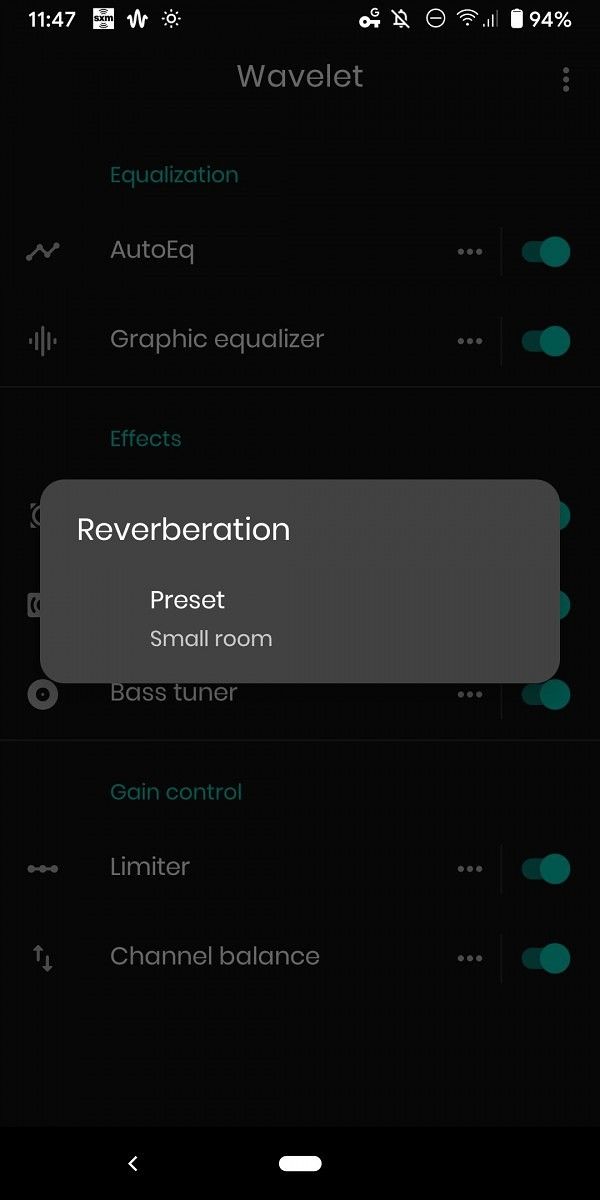
As mentioned in the guide on GitHub, Reverberation mimics the effect of sound waves bouncing off the walls from a room you would be listening in. For example, even if you’re listening in your bedroom, you can make your music sound like it’s being played in a large hall. In the first screenshot below, you can see the default “Small room” – when you tap on the preset, the full list appears (second screenshot).

Virtualizer

When listening in stereo, virtualization makes it seem as if the speakers are further apart as you slide the scale higher.

Bass tuner

The Bass tuner allows you to boost or reduce the bass more precisely, allowing you to limit the effect to frequency bands below the threshold (cutoff frequency) of your choice and set a positive (boost) or negative (reduction) post-gain value.

Limiter

Do you have a playlist in which the songs play at different volumes? This is common in apps like YouTube Music and Google Play Music, and there may be unpleasant volume spikes within a given song. The Limiter feature lets you level off the audio stream via 5 different settings: Attack time (how many milliseconds before the Limiter kicks in), Release time (how long the effect is active), Ratio (effect strength), Threshold (how loud will you let the volume get before the Limiter activates), and Post-gain (which allows you to compensate for volume changes caused by your Ratio and Threshold settings).

Channel balance

Channel balance allows you to adjust the left and right channels to compensate for being unable to sit in the center of your speaker setup or when your right and left headphones have different impedance values or for any other reason there’s a left-right imbalance in your audio stream.

Optimizing audio without root in Wavelet

Most audio-optimization mods here at XDA require root which, in turn, usually requires an unlocked bootloader. However, as Wavelet proves, it is possible to achieve great results on a stock unrooted setup. When we asked pittvandewitt how the app achieves this, he basically said Google already has the needed software libraries available in stock Android and has had most of them since Gingerbread. However, he did mention one key library called DynamicsProcessing which is relatively new. Hence the XDA Forums thread mentions that the app requires Android 9.0 Pie or later. As I haven’t gotten around to rooting my Pixel 3 (and probably won’t any time soon), I especially appreciated this functionality.

In my time with Wavelet using the Google Play Music, YouTube Music, Spotify, and SiriusXM apps on my headphones, phone speakers, and Bluetooth car stereo, I’ve found these optimizations to be quite effective. In the past, I’ve used some of the more popular root-required mods available in our forums on phones running custom ROMs, but Wavelet was both easier to use and usually more effective in improving my phone’s sound quality. I also found the $5.49 pro key (in-app purchase) to be well worth the price. Also, I found the GitHub guide to be very useful and somewhat easy to understand, though if you have any further questions you will likely find the answers you seek in the XDA Forums thread.

Wavelet: Headphone specific equalization (Free+, Google Play) →

The post Wavelet is an Android app that can make your headphones sound much better with automatic EQ appeared first on xda-developers.


from xda-developers https://ift.tt/3dU6Jpz
via IFTTT