LightBlog

vendredi 15 mai 2020

Samsung Galaxy A21s launched with 48MP quad rear camera

Samsung is making a killing with its Galaxy A series of budget and mid-range devices. The Galaxy A10 from last year was the top-selling Android smartphone in 2019, with the Galaxy A50 and Galaxy A20 taking the next two spots. The Galaxy A51, which was launched towards the end of last year, was the top-selling Android smartphone in Q1 2020 and it was accompanied by the Galaxy A10s and Galaxy A20s in the third and sixth spots, respectively. So it only makes sense for the company to keep refreshing these models with new and improved hardware. And that’s exactly what Samsung is doing. Since this beginning of this year, Samsung has released several new models in the Galaxy A series, including the Galaxy A11, Galaxy A31, and the Galaxy A41. Adding on to the list, the company has now announced the new Samsung Galaxy A21s which was leaked earlier this month.

Samsung Galaxy A21s Specifications

Specification Samsung Galaxy A21s
Dimensions and Weight
  • 163.7 x 75.3 x 8.9 mm
  • 192g
Display
  • 6.5″ HD+ LCD;
  • Infinity-O
SoC Octa-core processor @2.0GHz
RAM and Storage
  • 3GB + 32GB
  • 4GB + 64GB
  • 6GB + 64GB

Expandable through dedicated microSD card slot

Battery & Charging
  • 5,000 mAh battery
  • 15W fast charging support
Rear Camera
  • Primary: 48MP, f/2.0
  • Secondary: 8MP ultra-wide, f/2.2
  • Tertiary: 2MP depth sensor, f/2.4
  • Quaternary: 2MP macro, f/2.4
Front Camera 13MP, f/2.2
Other Features
  • 3.5mm headphone jack
  • Rear fingerprint scanner
Android Version One UI based on Android 10

According to a press release shared by the company, the Galaxy A21s is a budget offering that packs in a 6.5-inch HD+ (720 x 1600) Infinity-O display. Powering the device is an unspecified octa-core SoC clocked at 2.0GHz, coupled with 3GB, 4GB or 6GB RAM and 32/64GB onboard storage.
Samsung Galaxy A21s camera module

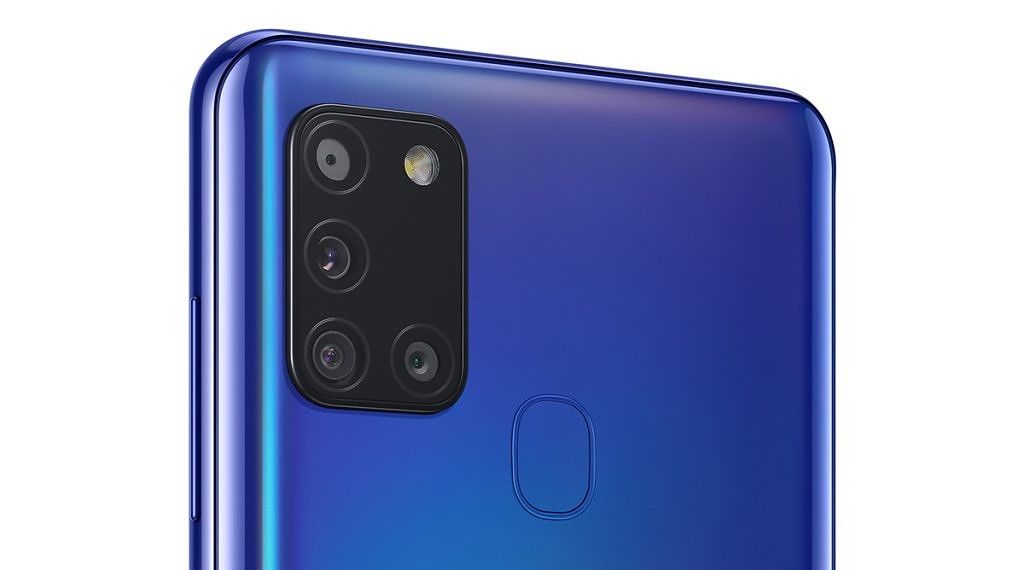
In the camera department, the Galaxy A21s features a quad-camera setup on the back with a 49MP primary sensor, an 8MP ultra-wide sensor, a 2MP depth sensor, and a 2MP macro camera. Over on the front, the device has a single 13MP selfie camera housed in the hole-punch cutout in the top left corner of the device.

The device has a rear-mounted fingerprint scanner and it packs in a massive 5,000mAh battery with support 15W fast charging. On the software front, the device runs Samsung’s One UI skin based on Android 10.

Pricing and Availability

The Samsung Galaxy A21s will be available in four color variants — Black, White, Blue, and Red — at a starting price of €200 (~$216) for the 3GB/32GB variant. The device is scheduled to go on sale on June 19th.

The post Samsung Galaxy A21s launched with 48MP quad rear camera appeared first on xda-developers.


from xda-developers https://ift.tt/2Z6IyjJ
via IFTTT

Samsung Galaxy A21s launched with 48MP quad rear camera

Samsung is making a killing with its Galaxy A series of budget and mid-range devices. The Galaxy A10 from last year was the top-selling Android smartphone in 2019, with the Galaxy A50 and Galaxy A20 taking the next two spots. The Galaxy A51, which was launched towards the end of last year, was the top-selling Android smartphone in Q1 2020 and it was accompanied by the Galaxy A10s and Galaxy A20s in the third and sixth spots, respectively. So it only makes sense for the company to keep refreshing these models with new and improved hardware. And that’s exactly what Samsung is doing. Since this beginning of this year, Samsung has released several new models in the Galaxy A series, including the Galaxy A11, Galaxy A31, and the Galaxy A41. Adding on to the list, the company has now announced the new Samsung Galaxy A21s which was leaked earlier this month.

Samsung Galaxy A21s Specifications

Specification Samsung Galaxy A21s
Dimensions and Weight
  • 163.7 x 75.3 x 8.9 mm
  • 192g
Display
  • 6.5″ HD+ LCD;
  • Infinity-O
SoC Octa-core processor @2.0GHz
RAM and Storage
  • 3GB + 32GB
  • 4GB + 64GB
  • 6GB + 64GB

Expandable through dedicated microSD card slot

Battery & Charging
  • 5,000 mAh battery
  • 15W fast charging support
Rear Camera
  • Primary: 48MP, f/2.0
  • Secondary: 8MP ultra-wide, f/2.2
  • Tertiary: 2MP depth sensor, f/2.4
  • Quaternary: 2MP macro, f/2.4
Front Camera 13MP, f/2.2
Other Features
  • 3.5mm headphone jack
  • Rear fingerprint scanner
Android Version One UI based on Android 10

According to a press release shared by the company, the Galaxy A21s is a budget offering that packs in a 6.5-inch HD+ (720 x 1600) Infinity-O display. Powering the device is an unspecified octa-core SoC clocked at 2.0GHz, coupled with 3GB, 4GB or 6GB RAM and 32/64GB onboard storage.

Samsung Galaxy A21s camera module

In the camera department, the Galaxy A21s features a quad-camera setup on the back with a 49MP primary sensor, an 8MP ultra-wide sensor, a 2MP depth sensor, and a 2MP macro camera. Over on the front, the device has a single 13MP selfie camera housed in the hole-punch cutout in the top left corner of the device.

The device has a rear-mounted fingerprint scanner and it packs in a massive 5,000mAh battery with support 15W fast charging. On the software front, the device runs Samsung’s One UI skin based on Android 10.

Pricing and Availability

The Samsung Galaxy A21s will be available in four color variants — Black, White, Blue, and Red — at a starting price of €200 (~$216) for the 3GB/32GB variant. The device is scheduled to go on sale on June 19th.

The post Samsung Galaxy A21s launched with 48MP quad rear camera appeared first on xda-developers.


from xda-developers https://ift.tt/2Z6IyjJ
via IFTTT

Commercial 5G in India is about to suffer a huge setback

5G is the next big leap in network technology, serving as the successor to the now-omnipresent 4G. This new jump forward promises greater bandwidth and faster download speeds. In the areas where 5G has rolled out already, we do find this to be true — low-band 5G can deliver up to 250 Mbps in download speeds, mid-band 5G can go up to 900 Mbps, while mmWave can deliver close to 1.2Gbps and even beyond. Unfortunately, for some countries, like India, 5G is not on the cards right now, and the wait might even get longer as the government is mulling a deferment of 5G spectrum auctions all the way to 2021.

Spectrum auctions in India were expected to be conducted in April 2020, but the poor health of the country’s telecom industry and the COVID-19 pandemic had put this on the back burner for the foreseeable future. Now, a new report from the Economic Times indicates that the government is likely to split the telecom spectrum auction. Citing people familiar with the matter, only 4G airwaves are expected to be available in the auction in 2020, while the 5G spectrum will be auctioned only in 2021.

The report further goes on to cite officials from the Indian government’s Department of Telecommunication (DoT), pointing that a 5G spectrum auction this year would have attracted few bidders. Further, all three of India’s private operators — Reliance Jio, Bharti Airtel, and Vodafone Idea — unanimously agreed that the base price for the 5G auctions was too high and would not attract bids. Airtel and Vodafone also cite stretched finances and an underdeveloped ecosystem for their desire to have the spectrum sale delayed.

There is also some uncertainty over the quantum of 5g airwaves available as some government ministries have requested premium spectrum for their use. Industry executives, on the other hand, say that the main reason for the delay is the lack of clarity on whether Chinese vendors such as Huawei and ZTE will be allowed to deploy 5G networks in India.

The road ahead for 5G in India

What does this mean for 5G in India in the short term future?

For one, the report needs to translate into a confirmed decision from the government to delay the auction. The industry does expect the auction to be delayed, and we noted the same in our recent coverage, so the proposed plans do not come as a total surprise. As noted in the report, there are multiple reasons to delay the auction of spectrum, so this decision is likely to come to fruition.

If the government does decide to decouple 5G away from this year’s spectrum auction, it will lead to a cascading effect on the timeline of commercial 5G availability in India. Under previous optimistic timelines, if the spectrum auction would have been complete in mid-2020, and field trials would have begun in 2021, commercial 5G was expected to be made available to average consumers in late 2021-early 2022. Since the auction is expected to be pushed back to some time in 2021, at least seven months away, we can expect all subsequent plans to be pushed back by a corresponding period. Field trials get pushed to late 2021, and commercial availability gets pushed further to mid/late 2022. Remember, this is also on a fairly optimistic timeline, one that presumes that all the expensively-priced spectrum is scooped up in the first auction (and does not necessitate multiple auction rounds as companies decide to stay away due to high prices), with other presumptions such as minimal economic fallout to the telecom sector despite the COVID-19 pandemic, and a swift end and recovery from the pandemic induced lockdown measures. That’s a lot of optimism for our current reality.

Long story short, buying a smartphone in India right now specifically for 5G and “future-proofing” makes even lesser sense with each such development. We’ll update the article with further developments on this topic.

The post Commercial 5G in India is about to suffer a huge setback appeared first on xda-developers.


from xda-developers https://ift.tt/2WSVerC
via IFTTT

Upcoming Redmi 5G phone with 6.57″ OLED display, 48MP triple rear cameras passes through TENAA

Back in December last year, Xiaomi’s sub-brand Redmi launched its first 5G-enabled device — the Redmi K30 5G. The device was soon followed by the Snapdragon 865-powered Redmi K30 Pro and, most recently, the Redmi K30 5G Racing Edition. All three devices come with an affordable price tag, making them some of the best value 5G devices in the market today. Now, the company is planning to launch yet another 5G-enabled device, which has recently been spotted on Chinese certification authority TENAA’s website.

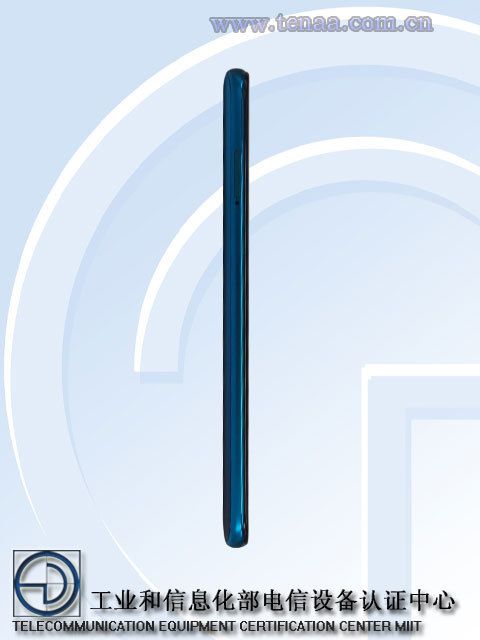
As you can see in the attached images, the upcoming 5G device from Redmi bears resemblance to the company’s budget-centric Redmi Note 9 series and has a similar square camera module on the back. Unlike the Redmi Note 9 series, however, the device features a triple camera setup and utilizes the fourth slot in the camera module to house the LED flash. The device measures in at 164.15 x 75.75 x 8.99mm and weighs 206g.

Redmi 5G smartphone leak Redmi 5G smartphone leak

According to the TENAA certification, the device packs in a 6.57-inch OLED display with a resolution of 2400 x1080 pixels. It’s powered by an unnamed SoC that’s clocked at 2.6GHz, coupled with up to 8GB of RAM and 256GB of onboard storage. The listing further reveals that the device will be available in 3 RAM/storage variants — 4GB/64GB, 6GB/128GB, and 8GB/256GB — and will include a microSD card slot for expansion up to 2TB.

In the camera department, the upcoming Redmi 5G device features a 48MP primary sensor, a 16MP wide-angle sensor, and a third unspecified camera. Since the listing reveals that the device doesn’t feature any optical zoom, we believe that the third camera could either be a depth sensor or a dedicated macro camera. Furthermore, the listing also confirms that the device will include a 3.5mm headphone jack and a 4,420mAh battery. Other features include fast charging support, a gravity sensor, a proximity sensor, an ambient light sensor, and an in-display fingerprint sensor.

As of now, Redmi hasn’t revealed any official details about this upcoming smartphone. We’ll update this post as soon as we receive more information about the device.


Source: TENAA

The post Upcoming Redmi 5G phone with 6.57″ OLED display, 48MP triple rear cameras passes through TENAA appeared first on xda-developers.


from xda-developers https://ift.tt/2Wz5cPW
via IFTTT

Commercial 5G in India is about to suffer a huge setback

5G is the next big leap in network technology, serving as the successor to the now-omnipresent 4G. This new jump forward promises greater bandwidth and faster download speeds. In the areas where 5G has rolled out already, we do find this to be true — low-band 5G can deliver up to 250 Mbps in download speeds, mid-band 5G can go up to 900 Mbps, while mmWave can deliver close to 1.2Gbps and even beyond. Unfortunately, for some countries, like India, 5G is not on the cards right now, and the wait might even get longer as the government is mulling a deferment of 5G spectrum auctions all the way to 2021.

Spectrum auctions in India were expected to be conducted in April 2020, but the poor health of the country’s telecom industry and the COVID-19 pandemic had put this on the back burner for the foreseeable future. Now, a new report from the Economic Times indicates that the government is likely to split the telecom spectrum auction. Citing people familiar with the matter, only 4G airwaves are expected to be available in the auction in 2020, while the 5G spectrum will be auctioned only in 2021.

The report further goes on to cite officials from the Indian government’s Department of Telecommunication (DoT), pointing that a 5G spectrum auction this year would have attracted few bidders. Further, all three of India’s private operators — Reliance Jio, Bharti Airtel, and Vodafone Idea — unanimously agreed that the base price for the 5G auctions was too high and would not attract bids. Airtel and Vodafone also cite stretched finances and an underdeveloped ecosystem for their desire to have the spectrum sale delayed.

There is also some uncertainty over the quantum of 5g airwaves available as some government ministries have requested premium spectrum for their use. Industry executives, on the other hand, say that the main reason for the delay is the lack of clarity on whether Chinese vendors such as Huawei and ZTE will be allowed to deploy 5G networks in India.

The road ahead for 5G in India

What does this mean for 5G in India in the short term future?

For one, the report needs to translate into a confirmed decision from the government to delay the auction. The industry does expect the auction to be delayed, and we noted the same in our recent coverage, so the proposed plans do not come as a total surprise. As noted in the report, there are multiple reasons to delay the auction of spectrum, so this decision is likely to come to fruition.

If the government does decide to decouple 5G away from this year’s spectrum auction, it will lead to a cascading effect on the timeline of commercial 5G availability in India. Under previous optimistic timelines, if the spectrum auction would have been complete in mid-2020, and field trials would have begun in 2021, commercial 5G was expected to be made available to average consumers in late 2021-early 2022. Since the auction is expected to be pushed back to some time in 2021, at least seven months away, we can expect all subsequent plans to be pushed back by a corresponding period. Field trials get pushed to late 2021, and commercial availability gets pushed further to mid/late 2022. Remember, this is also on a fairly optimistic timeline, one that presumes that all the expensively-priced spectrum is scooped up in the first auction (and does not necessitate multiple auction rounds as companies decide to stay away due to high prices), with other presumptions such as minimal economic fallout to the telecom sector despite the COVID-19 pandemic, and a swift end and recovery from the pandemic induced lockdown measures. That’s a lot of optimism for our current reality.

Long story short, buying a smartphone in India right now specifically for 5G and “future-proofing” makes even lesser sense with each such development. We’ll update the article with further developments on this topic.

The post Commercial 5G in India is about to suffer a huge setback appeared first on xda-developers.


from xda-developers https://ift.tt/2WSVerC
via IFTTT

Upcoming Redmi 5G phone with 6.57″ OLED display, 48MP triple rear cameras passes through TENAA

Back in December last year, Xiaomi’s sub-brand Redmi launched its first 5G-enabled device — the Redmi K30 5G. The device was soon followed by the Snapdragon 865-powered Redmi K30 Pro and, most recently, the Redmi K30 5G Racing Edition. All three devices come with an affordable price tag, making them some of the best value 5G devices in the market today. Now, the company is planning to launch yet another 5G-enabled device, which has recently been spotted on Chinese certification authority TENAA’s website.

As you can see in the attached images, the upcoming 5G device from Redmi bears resemblance to the company’s budget-centric Redmi Note 9 series and has a similar square camera module on the back. Unlike the Redmi Note 9 series, however, the device features a triple camera setup and utilizes the fourth slot in the camera module to house the LED flash. The device measures in at 164.15 x 75.75 x 8.99mm and weighs 206g.

Redmi 5G smartphone leak Redmi 5G smartphone leak

According to the TENAA certification, the device packs in a 6.57-inch OLED display with a resolution of 2400 x1080 pixels. It’s powered by an unnamed SoC that’s clocked at 2.6GHz, coupled with up to 8GB of RAM and 256GB of onboard storage. The listing further reveals that the device will be available in 3 RAM/storage variants — 4GB/64GB, 6GB/128GB, and 8GB/256GB — and will include a microSD card slot for expansion up to 2TB.

In the camera department, the upcoming Redmi 5G device features a 48MP primary sensor, a 16MP wide-angle sensor, and a third unspecified camera. Since the listing reveals that the device doesn’t feature any optical zoom, we believe that the third camera could either be a depth sensor or a dedicated macro camera. Furthermore, the listing also confirms that the device will include a 3.5mm headphone jack and a 4,420mAh battery. Other features include fast charging support, a gravity sensor, a proximity sensor, an ambient light sensor, and an in-display fingerprint sensor.

As of now, Redmi hasn’t revealed any official details about this upcoming smartphone. We’ll update this post as soon as we receive more information about the device.


Source: TENAA

The post Upcoming Redmi 5G phone with 6.57″ OLED display, 48MP triple rear cameras passes through TENAA appeared first on xda-developers.


from xda-developers https://ift.tt/2Wz5cPW
via IFTTT

OnePlus 7T quietly gets 960fps slow motion and 4K wide-angle video in the latest OxygenOS beta

The OnePlus 7T family received their third OxygenOS Open Beta update last week, which introduced a handy camera lens dirt detection feature as well as the April 2020 security patches. However, as it turns out, the company secretly enabled the 960fps slow motion video recording support on the regular OnePlus 7T with this update, albeit the feature is not at all mentioned in the OTA changelog.

OnePlus 7T XDA Forums

A Redditor with the screenname u/sneakerspark first noticed that with Open Beta 3, they now have a 720p@960fps slow motion option on the stock camera app. The person also confirmed in a follow-up reply that they have 4K@30fps wide-angle video. Neither of these changes made it to the official changelog, which is quite surprising. For your information, OnePlus did tell us back in September 2019 that they were working on these two features. Perhaps the current implementation needs another coat of paint before OnePlus is confident enough to announce them officially.

oneplus_7t_960fps_camera

Note that the camera sensors on the OnePlus 7T, including the primary 48MP Sony IMX586 module, don’t carry enough horsepower to actually record 960 frames each second. They lack the dedicated DRAM die needed to temporarily store the massive number of frames that are being captured before passing them to the image buffer and finally writing them to storage. Fortunately, they are capable of handling 720p@480fps, thus OnePlus only needed to incorporate some kind of frame interpolation algorithm. The final result might not as crisp as native 960fps slow-motion, but it shouldn’t matter to most people.

Regarding wide-angle video recording, the original OnePlus 7 Pro also lacked the feature initially, but the company later enabled the functionality through the Android 10 update for the device. It is good to see that OnePlus is trying to bring over feature parity across the different rear cameras, even on their older phones.


Source: r/Android

The post OnePlus 7T quietly gets 960fps slow motion and 4K wide-angle video in the latest OxygenOS beta appeared first on xda-developers.


from xda-developers https://ift.tt/360CwCB
via IFTTT