LightBlog

lundi 24 février 2020

Realme X50 Pro First Impressions: Speedy Chip, Fast Charging, Smooth Display

Realme has come a long way since its inception in early 2018 as an OPPO subbrand. The company has focused on an Indian-first strategy that has proved to be quite successful, with plans for tackling the global smartphone market as well. Realme’s first flagship device came in the form of the Realme X2 Pro last year, but now they’ve launched their first 5G flagship – the Realme X50 Pro 5G. We have a device for review, and we figured that we’ll let you know our first impressions of it before our full review goes live in a few weeks’ time. You can also check out my hands-on video on the XDA YouTube channel below.


Realme X50 Pro 5G Specifications

Realme X50 Pro 5G Device Specifications

Specifications Realme X50 Pro 5G
Processor Qualcomm Snapdragon 865 5G
  • CPU:7nm EUV, Octa-core, Up to 2.84GHz
  • GPU:Adreno 650
  • AIE:5th Generation Qualcomm AI Engine
Storage & RAM
  • RAM:6GB/8GB/12GB LPDDR5 Quad-channel
  • ROM:128GB/256GB UFS 3.0+Turbo write+HPB
Display
  • 90Hz Ultra Smooth Display
  • 16.4cm (6.44”) Fullscreen
  • Resolution:2400×1080 FHD+
  • Screen-to-body ratio:92%
  • Corning Gorilla Glass 5
Charging & Battery
  • 65W SuperDart Charge
  • 4200mAh
  • Includes a 10V/6.5A charger & cable
  • USB Type-C port
Camera Rear Cameras
  • 64MP Ultra high-resolution wide-angle camera
    • 26mm, FOV 78.6°, f/1.8, 6P lens
    • Samsung GW1, 1/1.72”
  • 8MP Ultra wide-angle & macro camera
    • 15.7mm, FOV 119°, f/2.3, 5P lens, 3cm focus
  • 12MP Telephoto camera
    • 54.08mm, f/2.5, 5P lens
  • 2MP B&W Portrait Camera
    • FOV 88.8°, f/2.4
  • Photography function:
    • Portrait Distortion Correction, Hyper Text, Ultra 64MP Mode, Ultra NightScape, Super NightScape, Panoramic view, Expert mode, Timelapse, Portrait mode, HDR, Ultra wide mode, Ultra macro mode, AI scene recognition, AI Beauty, Filter, Chroma Boost, Slow Motion, Bokeh Effect Control.
  • Video recording:
    • Support UIS Video Stabilization
    • Support UIS Max Video Stabilization
    • Support Ultra Wide-angle Video
    • Support Real-time Bokeh Effect Video
    • Support 4K/30fps video recording
    • Support 1080P/30fps, 60fps video recording
    • Support 720P/30fps, 60fps video recording

Dual In-display Selfie cameras

  • Sony 32MP wide-angle camera
    • FOV 80.4°, f/2.5, 5P lens
    • Sony IMX 616
  • 8MP ultra-wide-angle camera
    • FOV 105°, f/2.2, 5P lens
  • Photography function:
    • Portrait Mode, Timelapse, Panoramic view, AI Beauty, HDR, Face-Recognition, Filter, Portrait NightScape, Bokeh Effect Control
  • Video recording:
    • Support UIS Video Stabilization
    • Support UIS Max Video Stabilization
    • Support Slomo Selfie
    • Support Ultra Wide-angle Video
    • Support Real-time Bokeh Effect Video
    • Support 1080P/30fps video recording
    • Support 720P/30fps video recording
Cellular & Wireless 5G Network
  • UK, France, Italy, Spain, Australia, Taiwan, Thailand, Malaysia, Singapore, United Arab Emirates, Saudi Arabia
    • 5G NR: n77/78/38/40/41/1/3/5/7/28
    • FDD
    • LTE: B1/2/3/4/5/7/8/12/17/18/19/20/26/28/32/66
    • TD-LTE: B38/39/40/41/42
    • WCDMA: B1/2/4/5/6/8/19
    • GSM: 850/900/1800/1900
  • India
    • NSA: n78/n41 (2515-2675MHz)/n79
    • SA: n78/n41 (2515-2675MHz)/n79
    • FDD-LTE: B1/2/3/4/5/7/8/12/17/20
    • TD-LTE: B34/38/39/40/41(2515-2675MHz)
    • WCDMA: B1/2/4/5/6/8/19
    • GSM: 850/900/1800/1900
  • Wi-Fi
    • 2.4/5GHz
    • 802.11 a/b/g/n/ac/ax
    • Wi-Fi 6 supported
  • Bluetooth 5.1
Navigation
  • Dual Frequency GPS
  • GPS/AGPS/Glonass/Beidou
Audio
  • Dual Speaker
  • Superlinear speaker
  • Double mic noise suppression
  • Dolby Atmos
  • Hi-Res Audio
Size & Weight
  • Height: 158.96mm
  • Width: 74.24mm
  • Depth: 9.36mm
  • Weight≈207g
Sensors
  • Magnetic induction sensor
  • Light sensor
  • Proximity sensor
  • Gyro-meter
  • Acceleration sensor
Operating System
  • Realme UI
  • Based on Android 10
Box Contents
  • Realme X50 Pro
  • 65W SuperDart Charger
  • USB Type-C Cable
  • Protect Case
  • Protect Film
  • SIM Card Tool
  • Important Info Booklet with Warranty Card

Realme X50 Pro 5G: Design

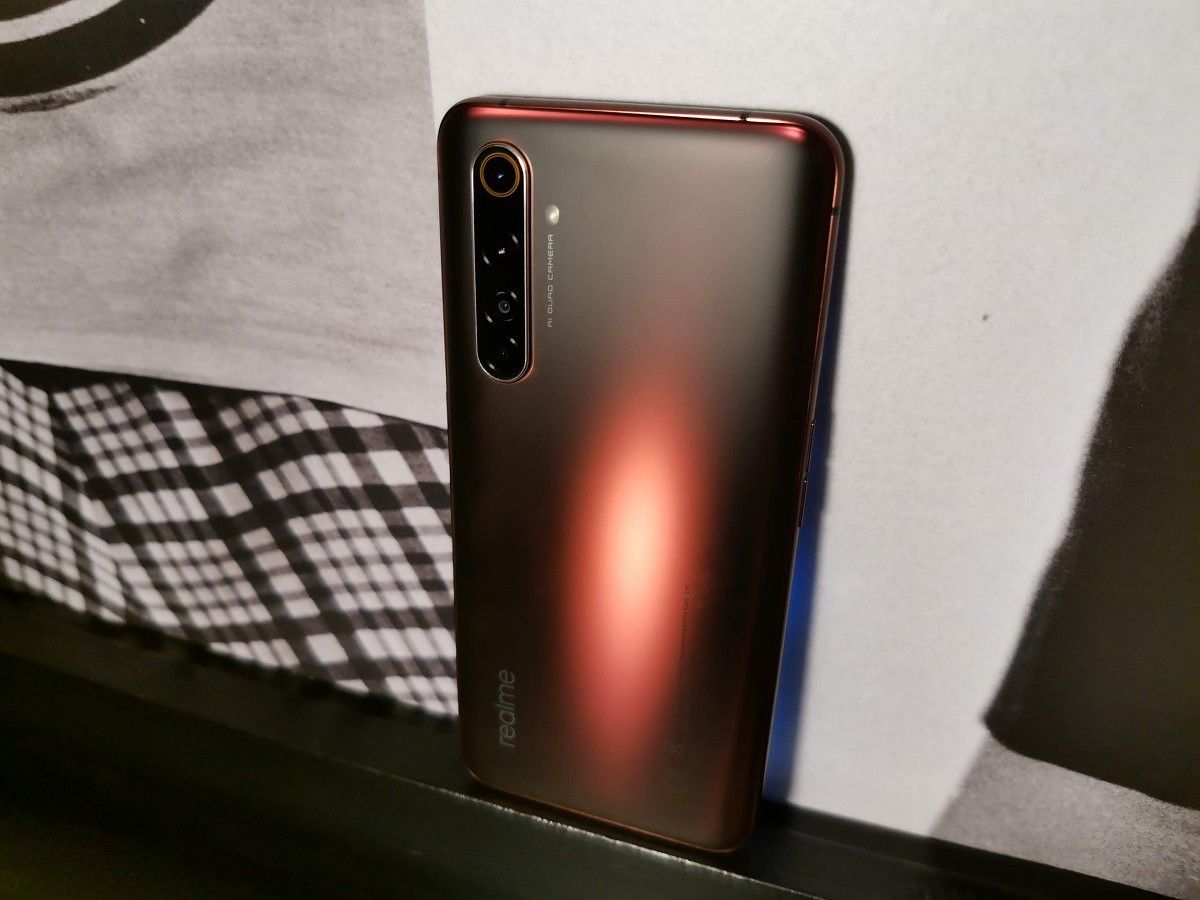
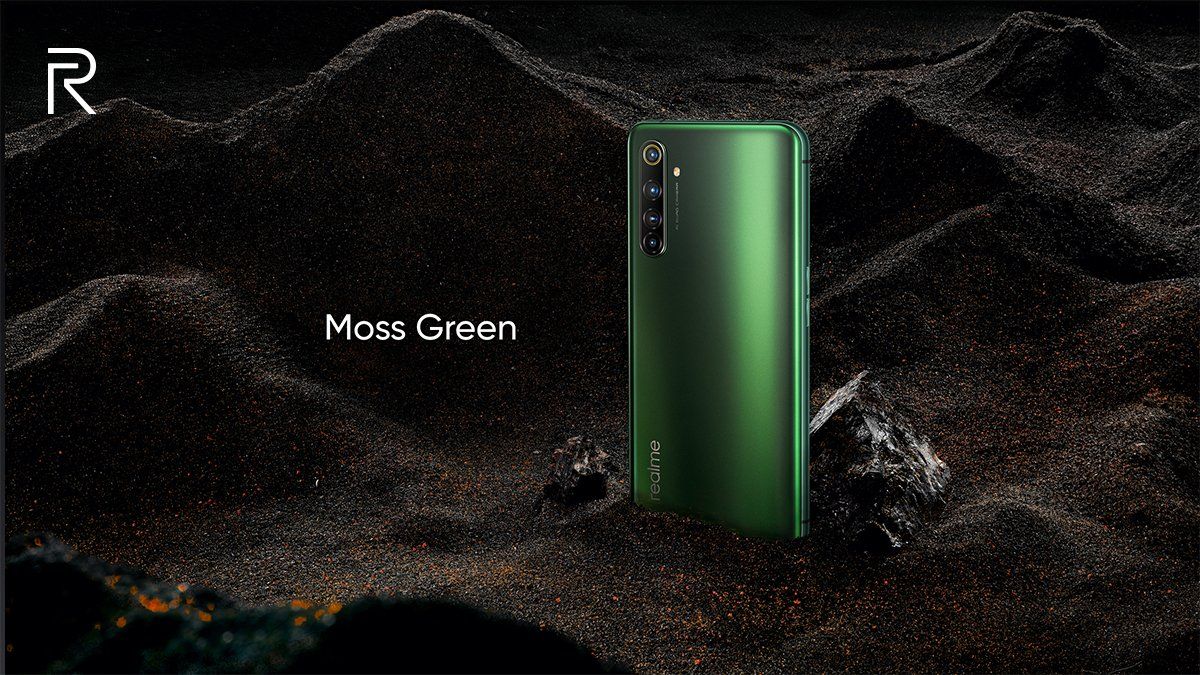
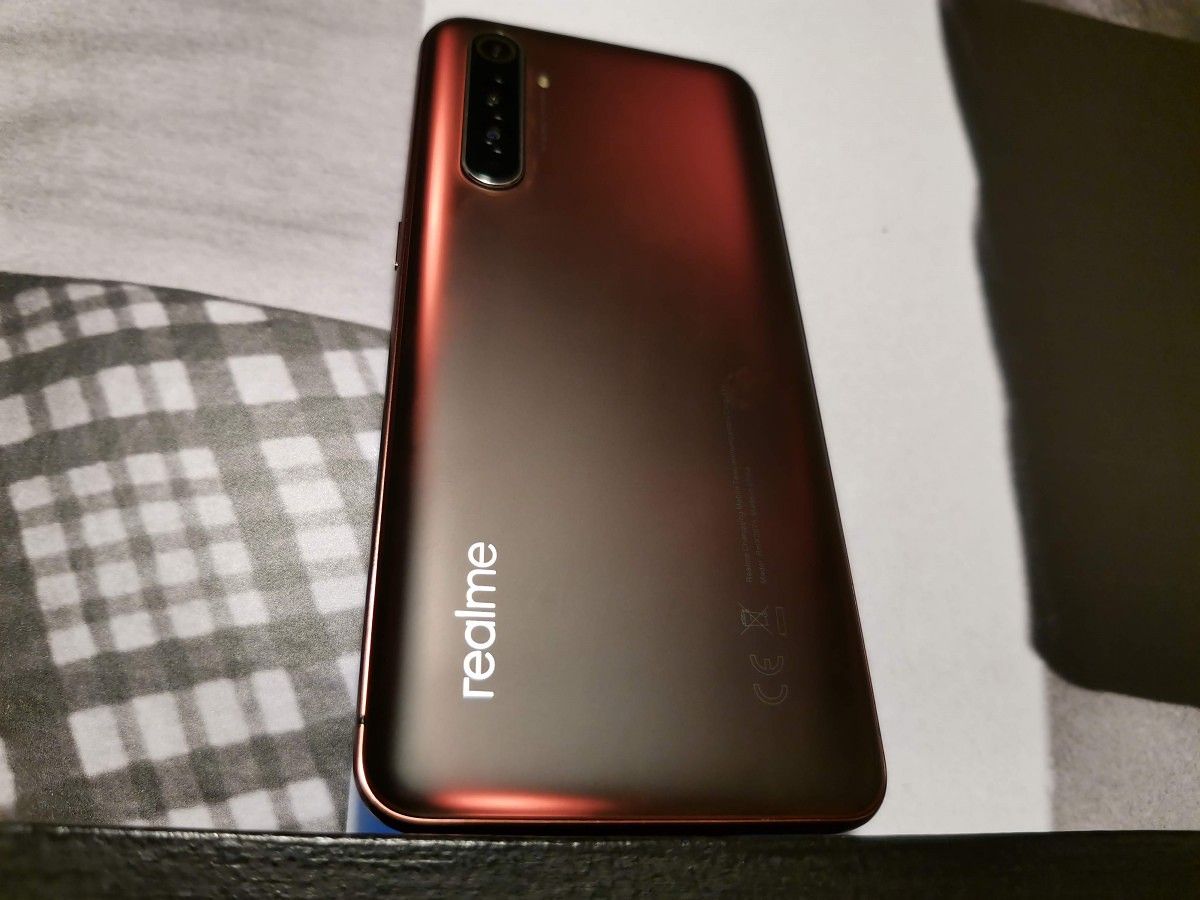
The Realme X50 Pro 5G has, more or less, a pretty cookie-cutter design. It’s an all-metal shell with a quad-camera array on the back along with a bezel-less display with a dual-camera cut-out on the front. That doesn’t mean it’s a bad design – rather, it’s just one of the few areas in which Realme hasn’t innovated on. Our variant came in Rust Red, although there’s a Moss Green variant that will also be available for purchase.

Realme X50 Pro 5G

Realme X50 Pro 5G Realme X50 Pro 5G

The Realme X50 Pro 5G is pretty thick, but the additional thickness isn’t a problem for me. Actually, I quite like it. The Realme X50 Pro 5G has a pretty classy (but safe) design, and it feels comfortable in the hands to use. There’s a pair of front-facing speakers that surprised me in their quality, along with a speedy in-display optical fingerprint scanner.


Realme X50 Pro 5G: Display

Realme X50 Pro 5G display

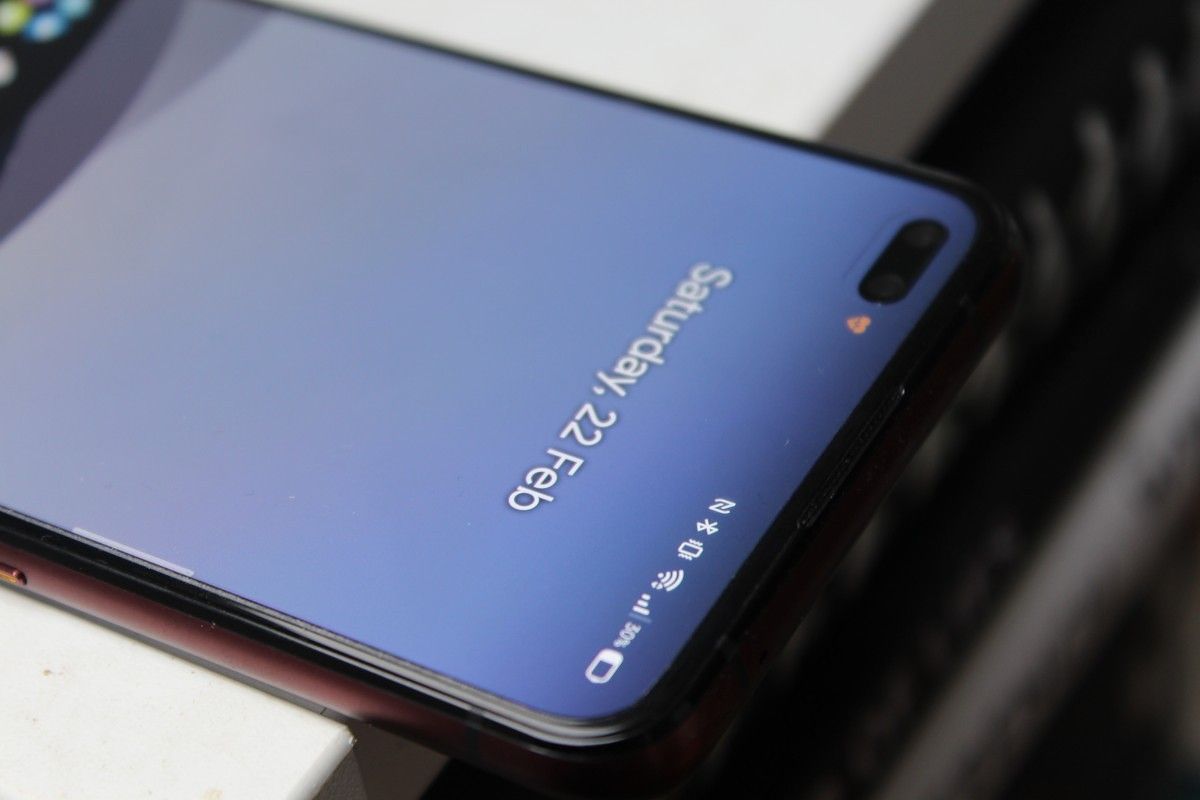
The display is one of the other defining parts of the Realme X50 Pro 5G. The Realme X50 Pro 5G has a 1080p AMOLED panel with a 90Hz refresh rate, and it is fantastic to use. Just like other high refresh-rate panels, scrolling through UI elements at 90Hz is buttery smooth and makes it hard to return to 60Hz phones. The display gets pretty bright, though it can be hard to make out some things under bright sunlight. It’s not a deal-breaker for me, but it’s something to be aware of if you’re considering picking this one up. The camera cut-out does get a little bit annoying in full-screen content, but it’s something you can get used to. I currently found it most frustrating when playing games.


Realme X50 Pro 5G: Performance

The Realme X50 Pro 5G is one of the first devices on the market to sport the Qualcomm Snapdragon 865, Qualcomm’s flagship SoC announced back in December of 2019. Qualcomm says that the Snapdragon 865 offers 25% greater performance than the Snapdragon 855, or 25% greater power efficiency when offering the same performance as its predecessor. The Adreno 650 GPU follows a similar approach – 20% faster graphics rendering or 35% more efficient graphics rendering when compared to the Adreno 640. While I’ve not had a whole lot of time to properly test performance (and I can’t install any benchmarking apps on pre-release software I’m running on the Realme X50 Pro), I did manage to test out Nintendo GameCube emulation performance. I generally like to test The Simpsons: Hit & Run when testing emulation performance, as the game is a quick one to stress test a device’s CPU. I was incredibly impressed, as the game ran nearly flawlessly – the first smartphone I’ve had to be able to do so. We’ll be going more in-depth with performance in our full review.


Realme X50 Pro 5G: Charging speed and battery life

The charging speed is where the Realme X50 Pro 5G really excels. Offering 65-watt charging with an included charging brick in the box (as in, you don’t need to pay for it separately), you’ll charge your phone from 0% to 100% in about 35 minutes. Leaving it on to charge for a few minutes will net you huge percentage gains in battery level, something that has shocked me every time I go to charge my phone. It has genuinely changed my smartphone usage habits. The phone does tend to heat up a bit when charging, but it cools down pretty quickly as the phone begins to taper the charging speed when it approaches 100%.

As for battery life, the Realme X50 Pro 5G is just… average for me. I’m generally getting around 4 hours screen-on-time for a day’s usage which consists of Snapchat, Facebook, Reddit, Twitter, Discord, etc. While it’s certainly heavy social media usage, I’m used to better battery life from the OPPO Reno 10x Zoom and the Honor 20 Pro, so it’s been a bit of a downgrade. Poorer-than-I’m-used-to battery life has been totally mitigated by the insanely fast charging though, so I don’t really mind it too much.


Realme UI is based on Android 10

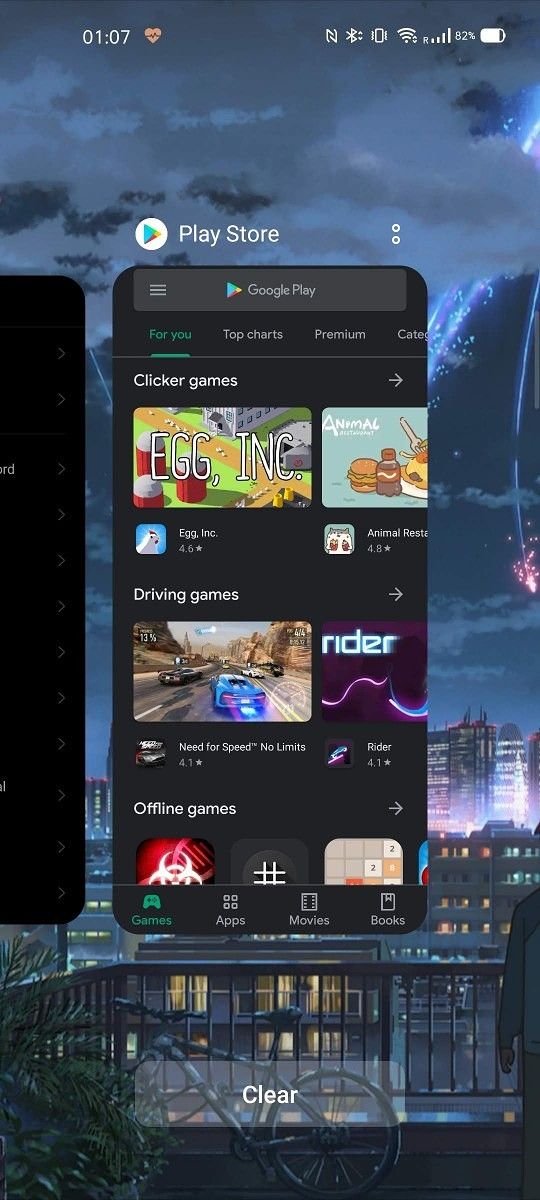
The consensus among us at XDA-Developers is that ColorOS 6 is awful. Realme UI, though, is based on ColorOS 7, the latest version of ColorOS which looks a whole lot closer to stock Android. It does away with silly UI changes, introduces actually useful features, and makes the Realme X50 Pro a pleasure to use. Realme UI is already one of my favorite OEM skins on an Android smartphone, which means by extension, so is ColorOS. Crazy how that worked out.

Realme UI on the Realme X50 Pro 5G

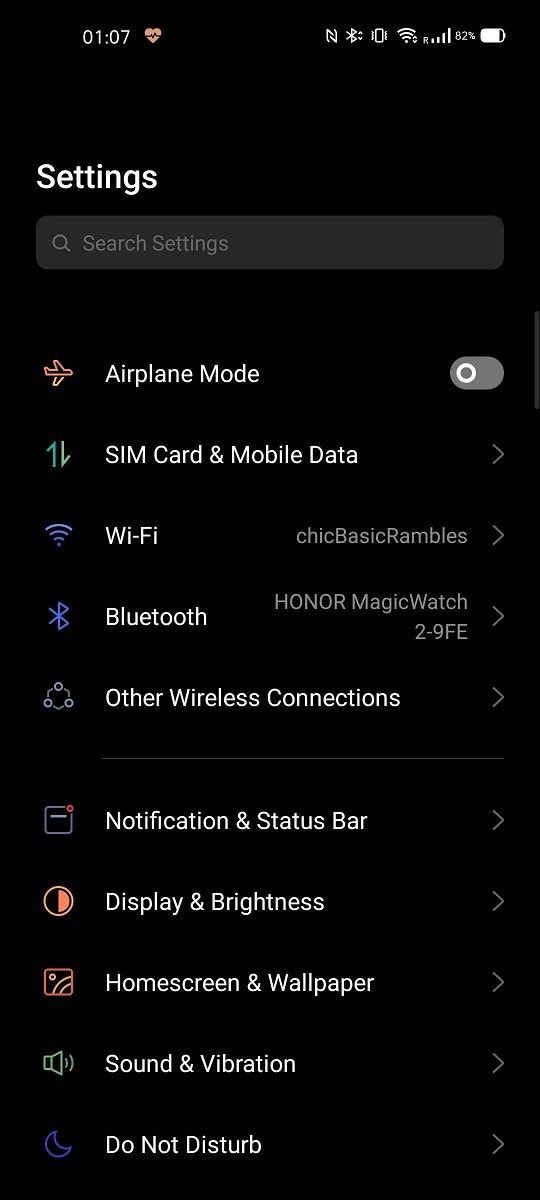
Now, admittedly I have found there to be a number of issues that I’m unsure as to whether or not they are caused by me running pre-release software on the Realme X50 Pro. As you can see in the screenshot above, I actually can’t switch off mobile data. I also can’t enable data roaming either, which is a bigger issue. I’m hoping this is fixed in a post-launch update, though there are a number of other issues too. For example, OnePlus-style gestures are here (as in, you swipe from the bottom for all of them), and swiping to go back on the right or left triggers the Google Assistant every single time.

There are also a number of camera issues, though the company is really pushing the camera this time around.


Realme X50 Pro 5G: Camera

While I won’t in-depth into the camera until the full review, I don’t have a lot of complaints to offer except for the included night mode. Night mode oversaturates and makes everything incredibly green and noisy. You’ll easily spot them in the album of photos I’ve taken below. As I’m sure you’ll notice, though, daytime shots are admittedly stellar. I’ll have lots more to show for the camera in the next few weeks, though my initial impressions are, for the most part, very good.

Realme X50 Pro


Conclusion

The Realme X50 Pro 5G surprised me, simply because it appears to be a well-thought-out package with good features and great performance. There’s nothing really gimmicky here: It’s just a good product at a price that’s pretty competitive as it also includes support for 5G connectivity.  While I don’t expect my opinions to change a whole bunch in the full review, if you’re still on the fence, it could be worth waiting for my full-review. Let us know in the comments what you think so far!

The post Realme X50 Pro First Impressions: Speedy Chip, Fast Charging, Smooth Display appeared first on xda-developers.


from xda-developers https://ift.tt/2VjmvEC
via IFTTT

Sony launches the Xperia 1 II and Xperia 10 II with 21:9 displays, triple rear cameras, and 3.5mm headphone jacks

After the cancellation of MWC 2020, Sony decided to announce its new products via an online announcement on February 24. The day has now arrived, and the company has now revealed its new flagship Sony Xperia 1 II (pronounced as Xperia 1 “Mark 2”) and the mid-range Xperia 10 II smartphones. The Xperia 1 II succeeds last year’s Xperia 1 flagship, while the Xperia 10 II is intended as the successor of both the Xperia 10 and the Xperia 10 Plus. Sony also teased a high-end professional phone for photographers in the form of the Xperia Pro 5G. As is often the case with new flagship smartphone launches, there is a lot to get into. Let’s get started with the specifications list.

Sony Xperia 1 II and Sony Xperia 10 II – Specifications

Specifications Sony Xperia 1 II Sony Xperia 10 II
Dimensions & Weight
  • 165.1 x 71.1 x 7.6 mm
  • 181.4 g
  • 157 x 69 x 8.2 mm
  • 151 g
Display
  • 6.5-inch 4K OLED
  • 3840×1644 pixels, 643 PPI
  • 21:9 aspect ratio
  • 100% coverage of the DCI-P3 gamut, D65 white point
  • Motion Blur Reduction (90Hz “equivalent”)
  • HDR BT.2020 (Rec.2020)
  • Gorilla Glass 6
  • 6-inch Full HD+ OLED
  • 2520×1080 pixels, 457 PPI
  • 21:9 aspect ratio
SoC
  • Qualcomm Snapdragon 865
  • 1x Kryo 585 Prime core (2.84GHz), 3x Kryo 585 Performance cores (2.4GHz), 4x Kryo 585 Efficiency cores (1.8GHz)
  • Adreno 650 GPU
  • Qualcomm Snapdragon 665
  • 4x Kryo 260 (ARM Cortex-A73-based) performance cores
  • 4x Kryo 260 (ARM Cortex-A53-based) efficiency cores
  • Adreno 610 GPU
RAM & Storage
  • 8GB/256GB UFS
  • microSD card slot (uses shared SIM 2 slot)
  • 4GB/128GB
  • microSD card slot (uses shared SIM 2 slot)
Battery
  • 4,000mAh
  • 18W USB-C PD fast charging
  • Qi wireless charging
  • 3,600mAh
  • 18W Qualcomm Quick Charge 3.0
Fingerprint Sensor Side-mounted fingerprint Side-mounted fingerprint
Rear Cameras
  • 12MP primary sensor, Sony IMX555 – 1/1.7″, 1.8-micron, f/1.7, 24mm, Dual Pixel PDAF, OIS
  • 12MP ultra-wide angle sensor, 1/2.55″, 1.4-micron, f/2.2, 16mm, Dual Pixel PDAF
  • 12MP telephoto sensor, 1/3.4″, 1.0-micron, f/2.4, 70mm, 3x optical zoom, OIS
  • Zeiss optics
  • Up to 20fps AF/AE burst shooting
  • Up to 60 times per second continuous AF/AE evaluation
  • Video recording: 4K HDR at 60, 30, 25, 24fps, OIS, EIS, Optical SteadyShot (hybrid EIS and OIS), SteadyShot with Intelligent Active Mode (5-axis stabilization), Slow motion up to 120fps
  • 12MP primary sensor, 26mm, PDAF
  • 8MP wide-angle sensor, 16mm
  • 8MP telephoto sensor, 52mm, 2x optical zoom
Front Camera
  • 8MP, f/2.0, 1/4″, 1.12-micron, 24mm
  • 8MP
Audio
  • 3.5mm headphone jack, Hi-Res 24-bit/192kHz audio
  • True front stereo speakers
  • 3.5mm headphone jack
Network Bands
  • 5G: Sub-6GHz Bands N1, N3, N28, N77, N78; no mmWave support
  • 4G: LTE Cat19/Cat13: Bands 1, 2, 3, 4, 5, 7, 8, 12, 13, 17, 19, 20, 25, 26, 28, 29, 32, 34, 38, 39, 40, 41, 46, 66) / LTE 6CA / 2CA
  • 3G
    UMTS HSPA+ (Bands 1, 2, 4, 5, 6, 8, 19)
  • 2G
    GSM GPRS/EDGE (Bands 850, 900, 1800, 1900)
  • 4G: Unspecified
  • 3G
    UMTS HSPA (850, 900, 1900, 2100MHz)
  • 2G
    GSM (Bands 850, 900, 1800, 1900)
Connectivity
  • Wi-Fi 6
  • Bluetooth 5.1
  • A-GNSS (GPS + GLONASS)
  • USB 3.1 Type-C port, DisplayPort support for video output, USB-C to HDMI
  • Wi-Fi 5
  • Bluetooth 5.0
  • A-GNSS (GPS + GLONASS)
  • USB 2.0 Type-C port
Android Version Android 10 Android 10

Sony Xperia 1 II – Hardware

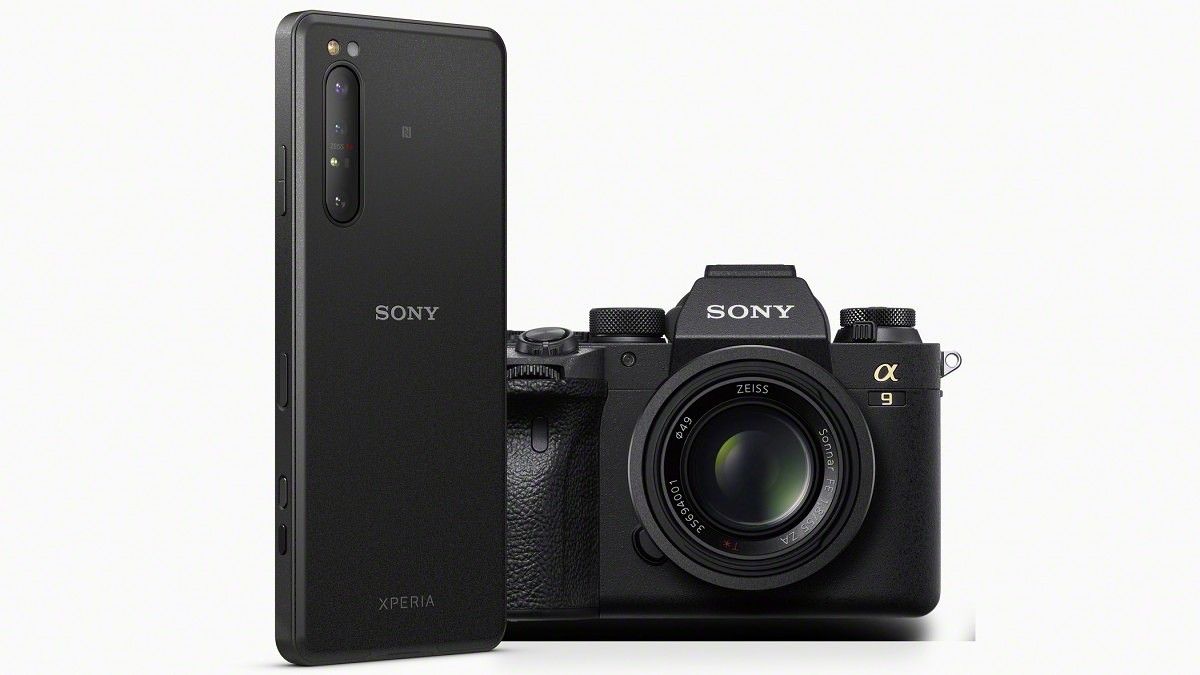
Sony Xperia 1 IISony Xperia 1 IISony Xperia 1 IIThe Sony Xperia 1 II is part of the first wave of Qualcomm Snapdragon 865-powered flagship phones. This in itself makes it a high-end phone, even though its availability is bound to be limited. Even though Sony has left several regions in the worldwide smartphone market, the Xperia 1 II shows that the company hasn’t lost its zeal to try again in the high-end smartphone market.

Last year’s Xperia 1 was the flagship after Sony’s corporate restructuring, which saw the mobile division get under the leadership of Kimio Maki, the former head of Sony’s Alpha mirrorless camera division. The company had promised to have synergy with its various hardware strengths and combine them in a single flagship. The Xperia 1 showed potential, but it’s the Xperia 1 II that looks quite promising—at least on paper.

The Xperia 1 II’s external hardware design looks similar to its predecessor. It has IP68 water resistance. The only major difference is that the rear cameras have been moved to from the center to the top left of the phone. On the front, Sony continues not to use a display hole or any sort of notch by going with a minimal top bezel. The 21:9 display aspect ratio means the phone is much narrower than its 6.5-inch diagonal makes it seem.

To move on to the surprising aspects, the Xperia 1 II comes in a 5G variant with sub-6GHz connectivity, skipping out on mmWave. This is identical to what Samsung did with the regular Galaxy S20. The 5G bands supported are surprisingly meager, and U.S. 5G frequencies aren’t supported. A big omission is that the Xperia 1 II won’t support 5G connectivity (even sub-6GHz) in the U.S. It will be available only in a 4G variant. The phone still has the Qualcomm Snapdragon X55 discrete 5G modem paired with the Snapdragon 865, which means that Sony, like iQOO, is disabling the 5G RF system of the modem. However, this decision makes absolutely no sense for the U.S. market as the process of rolling out sub-6GHz 5G networks has already been started in the country.

The Xperia 1 II’s 6.5-inch 4K OLED display may seem identical to its predecessor. However, it has “Motion Blur Reduction,” which Sony says makes it equivalent to a 90Hz refresh rate. This means either it doesn’t have a 90Hz refresh rate and it’s using a proprietary technology, or it does have a 90Hz refresh rate that is being interpolated from 60Hz. Sony didn’t explain the details of this technology. It should also be mentioned that a 4K display has negligible viewing impact on visual acuity, but it will have a significant power cost.

The Xperia 1 II comes in only a single storage variant: 8GB of RAM with 256GB of storage. Sony also retains the hybrid SIM slots (dual SIM or single SIM + microSD). In terms of biometrics, the phone has a side-mounted fingerprint sensor, just like its predecessor.

In terms of cameras, the Xperia 1 II has a unique camera setup. Its primary sensor is the 12MP IMX555, which is also used in the Galaxy S20 and the Galaxy S20+. This means it has a big pixel size of 1.8-micron. For a telephoto, it uses a 12MP with 70mm focal length for 3x optical zoom. The ultra-wide angle camera’s capabilities have been upgraded, as the sensor is much bigger now. Both the standard and ultra-wide angle sensors support Dual Pixel Autofocus for 70% coverage of the frame. Sony is also promoting innovations of up to 20fps burst shooting, eye detection, and up to 60 times AF/AE evaluation, features that are said to be firsts for smartphones. The phone is no slouch for video, too: it can record 4K HDR video at up to 60fps. There is hybrid EIS and OIS, along with 5-axis stabilization. The front camera has a small and relatively pedestrian 8MP sensor.

Sony has increased the battery capacity of the Xperia 1 II from 3,300mAh in its predecessor to 4,000mAh. Charging capabilities remain at a conservative and disappointing 18W with USB-C PD, but Sony did manage to add Qi wireless charging. The speed of that wasn’t specified.

The Xperia 1 II adds the 3.5mm headphone jack to Sony’s flagship Xperia series for the first time since 2017’s Xperia XZ1. This is a very welcome move. The headphone jack supports Hi-Res audio (24-bit/192kHz). LDAC support for Bluetooth audio is included, and there are true front-facing stereo speakers. Sony has also retained the Dynamic Vibration system.

In terms of connectivity, the Xperia 1 II supports video out through DisplayPort and USB-C to HDMI. It also has Wi-Fi 6 support, as expected.

AnandTech states that the Xperia 1 II’s price in Europe is €1,199 for the 5G variant that supports sub-6GHz networks, but we are still waiting for confirmation. The U.S price tag for the 4G variant also hasn’t been confirmed yet. It will be available in Black and Purple colors, and will ship from late Spring 2020. A few promotional videos for the phone can be watched here.

Sony Xperia 10 II

Sony Xperia 10 II

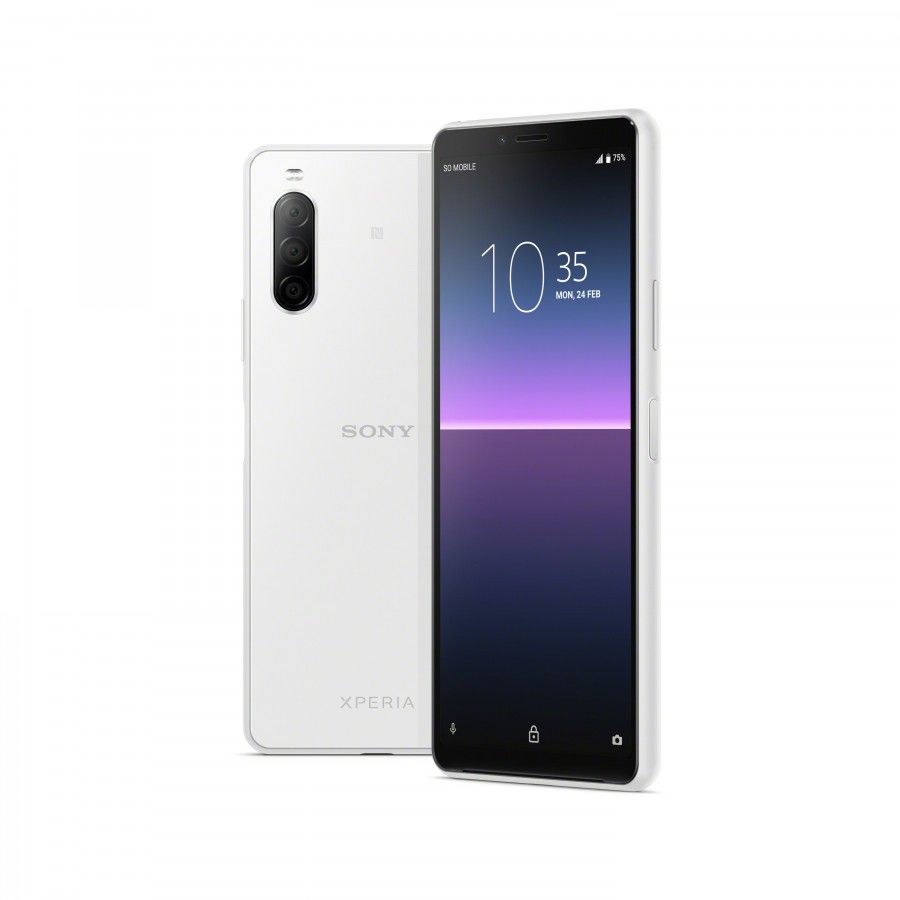
The Xperia 10 II is a relatively standard Sony mid-range phone. It uses the budget Qualcomm Snapdragon 665 SoC, which is uninspiring at a time when the Qualcomm Snapdragon 730, Snapdragon 675, and MediaTek Helio G90T SoCs have already been launched in the market.

The Xperia 10 II keeps the 21:9 aspect ratio but reduces the screen diagonal to 6-inch. This means it’s a very narrow phone with narrow display width. The display resolution is Full HD+, and it’s an OLED display. The single RAM and storage option is 4GB/128GB. The triple rear cameras are 12MP + 8MP + 8MP for the standard, ultra-wide angle, and telephoto cameras respectively. It has IP65/IP68 water and dust resistance, a rare feature in the mid-range market. A 3,600mAh battery with Quick Charge 3.0 support rounds out the hardware.

The phone will come in Black and White colors. Pricing wasn’t detailed yet. It will go on sale in “several markets” from Spring 2020.

Sony Xperia Pro 5G

Sony Xperia Pro Sony Xperia Pro

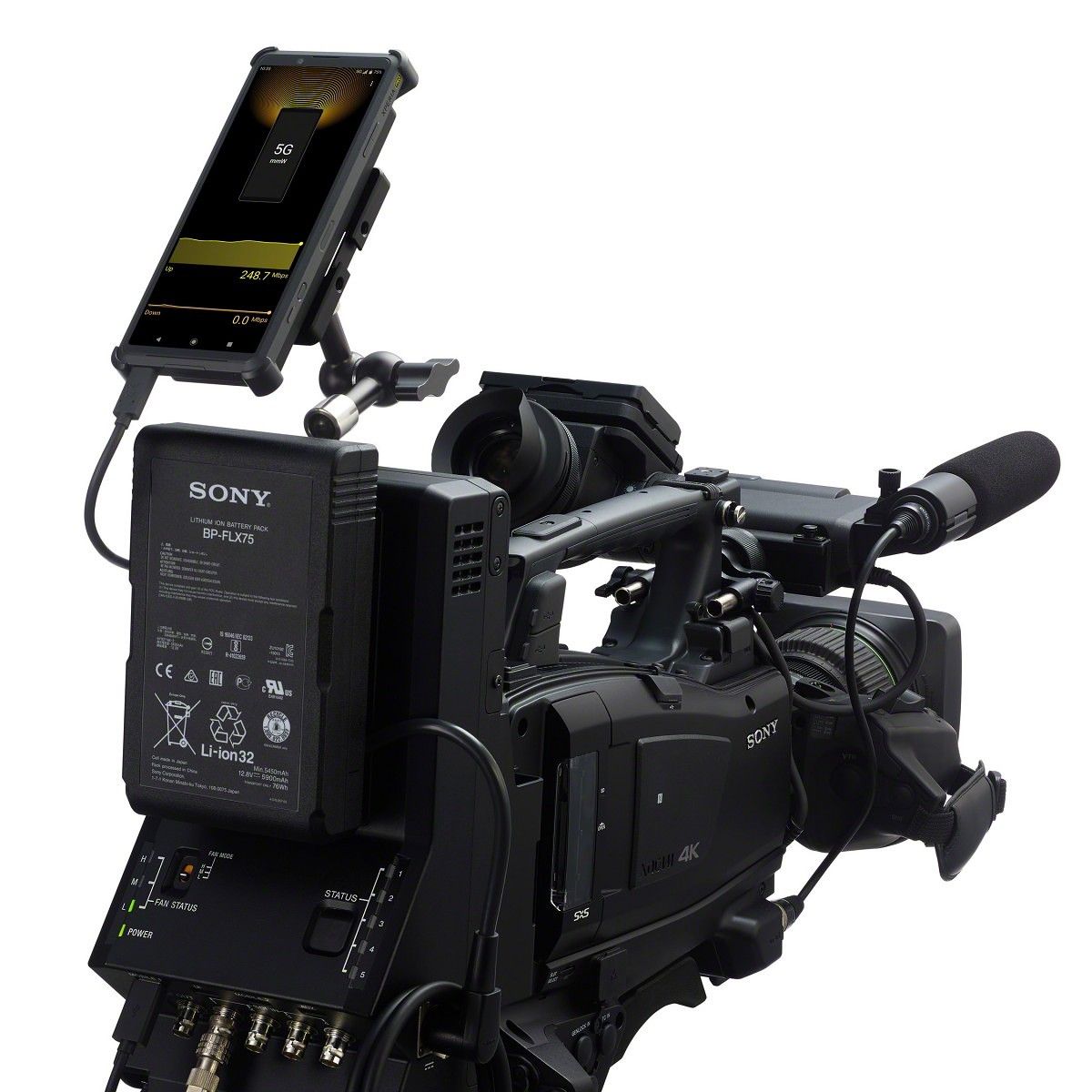
The Xperia Pro is a 5G phone that packs in support for both mmWave and sub-6GHz. It’s intended for professional photographers. The internal hardware of the phone is the same as that of the Xperia 1 II. However, it has a much more durable design resembling Sony’s Alpha cameras.

The Xperia Pro 5G also has a full-size HDMI port, which makes it unique in 2020’s smartphone market. Photographers can directly connect their camera gear to the phone, allowing the display to be used as a monitor.

Unfortunately, Sony didn’t go into more details regarding how the HDMI port works. The pricing and availability details also weren’t detailed as the phone was only teased. We expect to learn more in the coming weeks, but it’s fair to expect it to be priced outrageously high in keeping with Sony’s tradition.


Let us know your thoughts regarding Sony’s new smartphone launches in the comments below.


Source: Sony (1), Sony (2)

The post Sony launches the Xperia 1 II and Xperia 10 II with 21:9 displays, triple rear cameras, and 3.5mm headphone jacks appeared first on xda-developers.


from xda-developers https://ift.tt/2Vo3iBk
via IFTTT

Realme X50 Pro First Impressions: Speedy Chip, Fast Charging, Smooth Display

Realme has come a long way since its inception in early 2018 as an OPPO subbrand. The company has focused on an Indian-first strategy that has proved to be quite successful, with plans for tackling the global smartphone market as well. Realme’s first flagship device came in the form of the Realme X2 Pro last year, but now they’ve launched their first 5G flagship – the Realme X50 Pro 5G. We have a device for review, and we figured that we’ll let you know our first impressions of it before our full review goes live in a few weeks’ time. You can also check out my hands-on video on the XDA YouTube channel below.


Realme X50 Pro 5G Specifications

Realme X50 Pro 5G Device Specifications

Specifications Realme X50 Pro 5G
Processor Qualcomm Snapdragon 865 5G
  • CPU:7nm EUV, Octa-core, Up to 2.84GHz
  • GPU:Adreno 650
  • AIE:5th Generation Qualcomm AI Engine
Storage & RAM
  • RAM:6GB/8GB/12GB LPDDR5 Quad-channel
  • ROM:128GB/256GB UFS 3.0+Turbo write+HPB
Display
  • 90Hz Ultra Smooth Display
  • 16.4cm (6.44”) Fullscreen
  • Resolution:2400×1080 FHD+
  • Screen-to-body ratio:92%
  • Corning Gorilla Glass 5
Charging & Battery
  • 65W SuperDart Charge
  • 4200mAh
  • Includes a 10V/6.5A charger & cable
  • USB Type-C port
Camera Rear Cameras
  • 64MP Ultra high-resolution wide-angle camera
    • 26mm, FOV 78.6°, f/1.8, 6P lens
    • Samsung GW1, 1/1.72”
  • 8MP Ultra wide-angle & macro camera
    • 15.7mm, FOV 119°, f/2.3, 5P lens, 3cm focus
  • 12MP Telephoto camera
    • 54.08mm, f/2.5, 5P lens
  • 2MP B&W Portrait Camera
    • FOV 88.8°, f/2.4
  • Photography function:
    • Portrait Distortion Correction, Hyper Text, Ultra 64MP Mode, Ultra NightScape, Super NightScape, Panoramic view, Expert mode, Timelapse, Portrait mode, HDR, Ultra wide mode, Ultra macro mode, AI scene recognition, AI Beauty, Filter, Chroma Boost, Slow Motion, Bokeh Effect Control.
  • Video recording:
    • Support UIS Video Stabilization
    • Support UIS Max Video Stabilization
    • Support Ultra Wide-angle Video
    • Support Real-time Bokeh Effect Video
    • Support 4K/30fps video recording
    • Support 1080P/30fps, 60fps video recording
    • Support 720P/30fps, 60fps video recording

Dual In-display Selfie cameras

  • Sony 32MP wide-angle camera
    • FOV 80.4°, f/2.5, 5P lens
    • Sony IMX 616
  • 8MP ultra-wide-angle camera
    • FOV 105°, f/2.2, 5P lens
  • Photography function:
    • Portrait Mode, Timelapse, Panoramic view, AI Beauty, HDR, Face-Recognition, Filter, Portrait NightScape, Bokeh Effect Control
  • Video recording:
    • Support UIS Video Stabilization
    • Support UIS Max Video Stabilization
    • Support Slomo Selfie
    • Support Ultra Wide-angle Video
    • Support Real-time Bokeh Effect Video
    • Support 1080P/30fps video recording
    • Support 720P/30fps video recording
Cellular & Wireless 5G Network
  • UK, France, Italy, Spain, Australia, Taiwan, Thailand, Malaysia, Singapore, United Arab Emirates, Saudi Arabia
    • 5G NR: n77/78/38/40/41/1/3/5/7/28
    • FDD
    • LTE: B1/2/3/4/5/7/8/12/17/18/19/20/26/28/32/66
    • TD-LTE: B38/39/40/41/42
    • WCDMA: B1/2/4/5/6/8/19
    • GSM: 850/900/1800/1900
  • India
    • NSA: n78/n41 (2515-2675MHz)/n79
    • SA: n78/n41 (2515-2675MHz)/n79
    • FDD-LTE: B1/2/3/4/5/7/8/12/17/20
    • TD-LTE: B34/38/39/40/41(2515-2675MHz)
    • WCDMA: B1/2/4/5/6/8/19
    • GSM: 850/900/1800/1900
  • Wi-Fi
    • 2.4/5GHz
    • 802.11 a/b/g/n/ac/ax
    • Wi-Fi 6 supported
  • Bluetooth 5.1
Navigation
  • Dual Frequency GPS
  • GPS/AGPS/Glonass/Beidou
Audio
  • Dual Speaker
  • Superlinear speaker
  • Double mic noise suppression
  • Dolby Atmos
  • Hi-Res Audio
Size & Weight
  • Height: 158.96mm
  • Width: 74.24mm
  • Depth: 9.36mm
  • Weight≈207g
Sensors
  • Magnetic induction sensor
  • Light sensor
  • Proximity sensor
  • Gyro-meter
  • Acceleration sensor
Operating System
  • Realme UI
  • Based on Android 10
Box Contents
  • Realme X50 Pro
  • 65W SuperDart Charger
  • USB Type-C Cable
  • Protect Case
  • Protect Film
  • SIM Card Tool
  • Important Info Booklet with Warranty Card

Realme X50 Pro 5G: Design

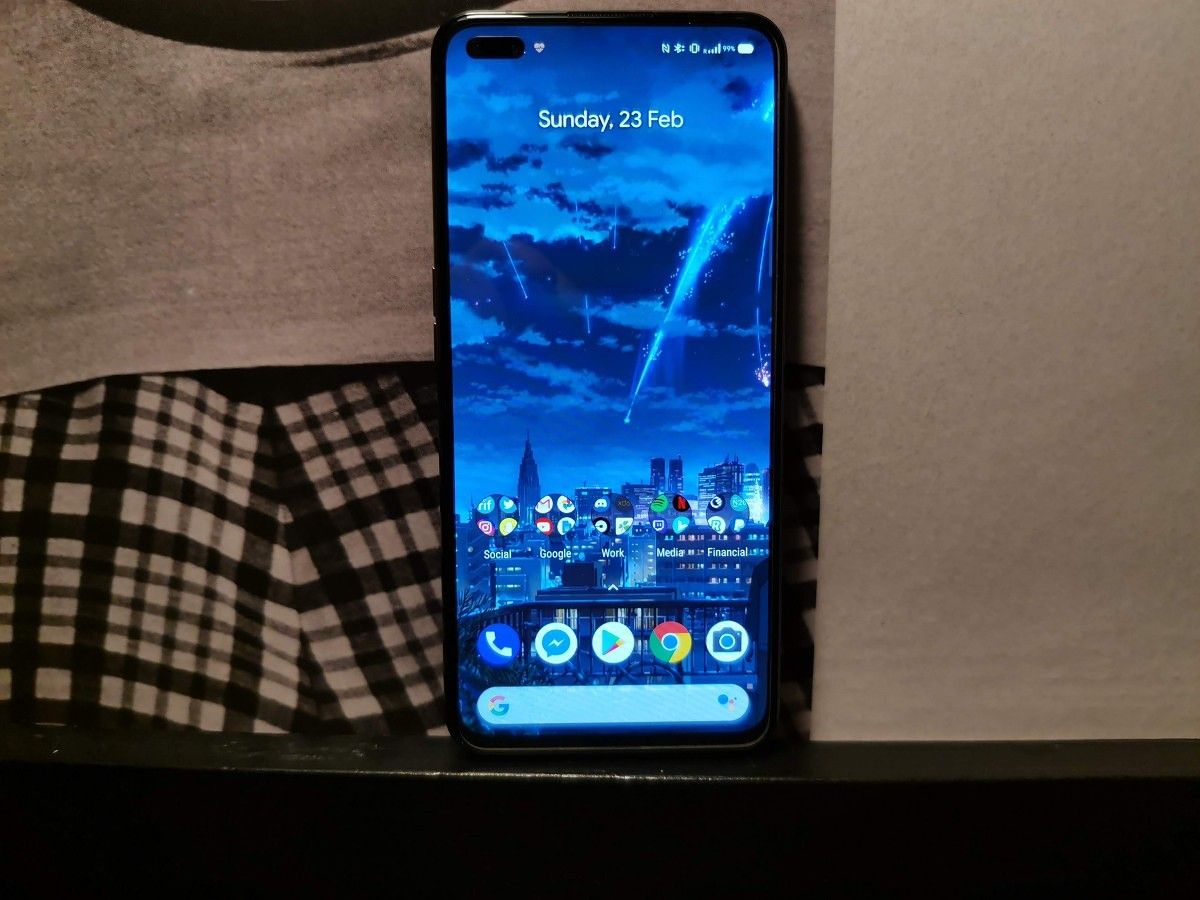
The Realme X50 Pro 5G has, more or less, a pretty cookie-cutter design. It’s an all-metal shell with a quad-camera array on the back along with a bezel-less display with a dual-camera cut-out on the front. That doesn’t mean it’s a bad design – rather, it’s just one of the few areas in which Realme hasn’t innovated on. Our variant came in Rust Red, although there’s a Moss Green variant that will also be available for purchase.
Realme X50 Pro 5G

Realme X50 Pro 5G Realme X50 Pro 5G

The Realme X50 Pro 5G is pretty thick, but the additional thickness isn’t a problem for me. Actually, I quite like it. The Realme X50 Pro 5G has a pretty classy (but safe) design, and it feels comfortable in the hands to use. There’s a pair of front-facing speakers that surprised me in their quality, along with a speedy in-display optical fingerprint scanner.


Realme X50 Pro 5G: Display

Realme X50 Pro 5G display

The display is one of the other defining parts of the Realme X50 Pro 5G. The Realme X50 Pro 5G has a 1080p AMOLED panel with a 90Hz refresh rate, and it is fantastic to use. Just like other high refresh-rate panels, scrolling through UI elements at 90Hz is buttery smooth and makes it hard to return to 60Hz phones. The display gets pretty bright, though it can be hard to make out some things under bright sunlight. It’s not a deal-breaker for me, but it’s something to be aware of if you’re considering picking this one up. The camera cut-out does get a little bit annoying in full-screen content, but it’s something you can get used to. I currently found it most frustrating when playing games.


Realme X50 Pro 5G: Performance

The Realme X50 Pro 5G is one of the first devices on the market to sport the Qualcomm Snapdragon 865, Qualcomm’s flagship SoC announced back in December of 2019. Qualcomm says that the Snapdragon 865 offers 25% greater performance than the Snapdragon 855, or 25% greater power efficiency when offering the same performance as its predecessor. The Adreno 650 GPU follows a similar approach – 20% faster graphics rendering or 35% more efficient graphics rendering when compared to the Adreno 640. While I’ve not had a whole lot of time to properly test performance (and I can’t install any benchmarking apps on pre-release software I’m running on the Realme X50 Pro), I did manage to test out Nintendo GameCube emulation performance. I generally like to test The Simpsons: Hit & Run when testing emulation performance, as the game is a quick one to stress test a device’s CPU. I was incredibly impressed, as the game ran nearly flawlessly – the first smartphone I’ve had to be able to do so. We’ll be going more in-depth with performance in our full review.


Realme X50 Pro 5G: Charging speed and battery life

The charging speed is where the Realme X50 Pro 5G really excels. Offering 65-watt charging with an included charging brick in the box (as in, you don’t need to pay for it separately), you’ll charge your phone from 0% to 100% in about 35 minutes. Leaving it on to charge for a few minutes will net you huge percentage gains in battery level, something that has shocked me every time I go to charge my phone. It has genuinely changed my smartphone usage habits. The phone does tend to heat up a bit when charging, but it cools down pretty quickly as the phone begins to taper the charging speed when it approaches 100%.

As for battery life, the Realme X50 Pro 5G is just… average for me. I’m generally getting around 4 hours screen-on-time for a day’s usage which consists of Snapchat, Facebook, Reddit, Twitter, Discord, etc. While it’s certainly heavy social media usage, I’m used to better battery life from the OPPO Reno 10x Zoom and the Honor 20 Pro, so it’s been a bit of a downgrade. Poorer-than-I’m-used-to battery life has been totally mitigated by the insanely fast charging though, so I don’t really mind it too much.


Realme UI is based on Android 10

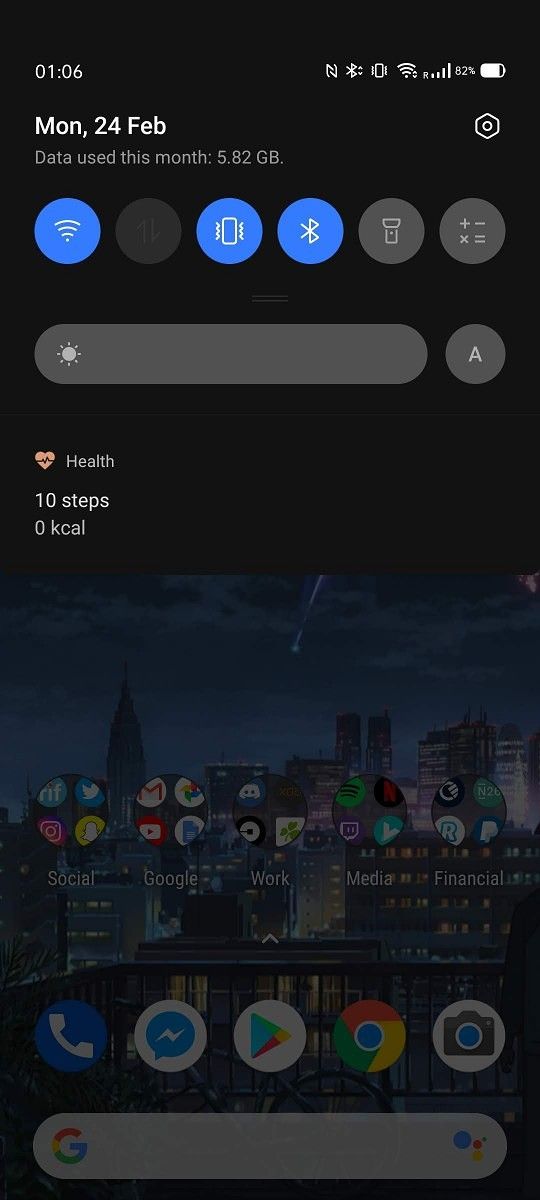
The consensus among us at XDA-Developers is that ColorOS 6 is awful. Realme UI, though, is based on ColorOS 7, the latest version of ColorOS which looks a whole lot closer to stock Android. It does away with silly UI changes, introduces actually useful features, and makes the Realme X50 Pro a pleasure to use. Realme UI is already one of my favorite OEM skins on an Android smartphone, which means by extension, so is ColorOS. Crazy how that worked out.
Realme UI on the Realme X50 Pro 5G

Now, admittedly I have found there to be a number of issues that I’m unsure as to whether or not they are caused by me running pre-release software on the Realme X50 Pro. As you can see in the screenshot above, I actually can’t switch off mobile data. I also can’t enable data roaming either, which is a bigger issue. I’m hoping this is fixed in a post-launch update, though there are a number of other issues too. For example, OnePlus-style gestures are here (as in, you swipe from the bottom for all of them), and swiping to go back on the right or left triggers the Google Assistant every single time.

There are also a number of camera issues, though the company is really pushing the camera this time around.


Realme X50 Pro 5G: Camera

While I won’t in-depth into the camera until the full review, I don’t have a lot of complaints to offer except for the included night mode. Night mode oversaturates and makes everything incredibly green and noisy. You’ll easily spot them in the album of photos I’ve taken below. As I’m sure you’ll notice, though, daytime shots are admittedly stellar. I’ll have lots more to show for the camera in the next few weeks, though my initial impressions are, for the most part, very good.

Realme X50 Pro


Conclusion

The Realme X50 Pro 5G surprised me, simply because it appears to be a well-thought-out package with good features and great performance. There’s nothing really gimmicky here: It’s just a good product at a price that’s pretty competitive as it also includes support for 5G connectivity.  While I don’t expect my opinions to change a whole bunch in the full review, if you’re still on the fence, it could be worth waiting for my full-review. Let us know in the comments what you think so far!

The post Realme X50 Pro First Impressions: Speedy Chip, Fast Charging, Smooth Display appeared first on xda-developers.


from xda-developers https://ift.tt/2VjmvEC
via IFTTT

Sony launches the Xperia 1 II and Xperia 10 II with 21:9 displays, triple rear cameras, and 3.5mm headphone jacks

After the cancellation of MWC 2020, Sony decided to announce its new products via an online announcement on February 24. The day has now arrived, and the company has now revealed its new flagship Sony Xperia 1 II (pronounced as Xperia 1 “Mark 2”) and the mid-range Xperia 10 II smartphones. The Xperia 1 II succeeds last year’s Xperia 1 flagship, while the Xperia 10 II is intended as the successor of both the Xperia 10 and the Xperia 10 Plus. Sony also teased a high-end professional phone for photographers in the form of the Xperia Pro 5G. As is often the case with new flagship smartphone launches, there is a lot to get into. Let’s get started with the specifications list.

Sony Xperia 1 II and Sony Xperia 10 II – Specifications

Specifications Sony Xperia 1 II Sony Xperia 10 II
Dimensions & Weight
  • 165.1 x 71.1 x 7.6 mm
  • 181.4 g
  • 157 x 69 x 8.2 mm
  • 151 g
Display
  • 6.5-inch 4K OLED
  • 3840×1644 pixels, 643 PPI
  • 21:9 aspect ratio
  • 100% coverage of the DCI-P3 gamut, D65 white point
  • Motion Blur Reduction (90Hz “equivalent”)
  • HDR BT.2020 (Rec.2020)
  • Gorilla Glass 6
  • 6-inch Full HD+ OLED
  • 2520×1080 pixels, 457 PPI
  • 21:9 aspect ratio
SoC
  • Qualcomm Snapdragon 865
  • 1x Kryo 585 Prime core (2.84GHz), 3x Kryo 585 Performance cores (2.4GHz), 4x Kryo 585 Efficiency cores (1.8GHz)
  • Adreno 650 GPU
  • Qualcomm Snapdragon 665
  • Adreno 610 GPU
RAM & Storage
  • 8GB/256GB UFS
  • microSD card slot (uses shared SIM 2 slot)
  • 4GB/128GB
  • microSD card slot (uses shared SIM 2 slot)
Battery
  • 4,000mAh
  • 18W USB-C PD fast charging
  • Qi wireless charging
  • 3,600mAh
  • 18W Qualcomm Quick Charge 3.0
Fingerprint Sensor Side-mounted fingerprint Side-mounted fingerprint
Rear Cameras
  • 12MP primary sensor, Sony IMX555 – 1/1.7″, 1.8-micron, f/1.7, 24mm, Dual Pixel PDAF, OIS
  • 12MP ultra-wide angle sensor, 1/2.55″, 1.4-micron, f/2.2, 16mm, Dual Pixel PDAF
  • 12MP telephoto sensor, 1/3.4″, 1.0-micron, f/2.4, 70mm, 3x optical zoom, OIS
  • Zeiss optics
  • Up to 20fps AF/AE burst shooting
  • Up to 60 times per second continuous AF/AE evaluation
  • Video recording: 4K HDR at 60, 30, 25, 24fps, OIS, EIS, Optical SteadyShot (hybrid EIS and OIS), SteadyShot with Intelligent Active Mode (5-axis stabilization), Slow motion up to 120fps
  • 12MP primary sensor, 26mm, PDAF
  • 8MP wide-angle sensor, 16mm
  • 8MP telephoto sensor, 52mm, 2x optical zoom
Front Camera
  • 8MP, f/2.0, 1/4″, 1.12-micron, 24mm
  • 8MP
Audio
  • 3.5mm headphone jack, Hi-Res 24-bit/192kHz audio
  • True front stereo speakers
  • 3.5mm headphone jack
Network Bands
  • 5G: Sub-6GHz Bands N1, N3, N28, N77, N78; no mmWave support
  • 4G: LTE Cat19/Cat13: Bands 1, 2, 3, 4, 5, 7, 8, 12, 13, 17, 19, 20, 25, 26, 28, 29, 32, 34, 38, 39, 40, 41, 46, 66) / LTE 6CA / 2CA
  • 3G
    UMTS HSPA+ (Bands 1, 2, 4, 5, 6, 8, 19)
  • 2G
    GSM GPRS/EDGE (Bands 850, 900, 1800, 1900)
  • 4G: Unspecified
  • 3G
    UMTS HSPA (850, 900, 1900, 2100MHz)
  • 2G
    GSM (Bands 850, 900, 1800, 1900)
Connectivity
  • Wi-Fi 6
  • Bluetooth 5.1
  • A-GNSS (GPS + GLONASS)
  • USB 3.1 Type-C port, DisplayPort support for video output, USB-C to HDMI
  • Wi-Fi 5
  • Bluetooth 5.0
  • A-GNSS (GPS + GLONASS)
  • USB 2.0 Type-C port
Android Version Android 10 Android 10

Sony Xperia 1 II – Hardware

Sony Xperia 1 II Sony Xperia 1 II Sony Xperia 1 II

The Sony Xperia 1 II is part of the first wave of Qualcomm Snapdragon 865-powered flagship phones. This in itself makes it a high-end phone, even though its availability is bound to be limited. Even though Sony has left several regions in the worldwide smartphone market, the Xperia 1 II shows that the company hasn’t lost its zeal to try again in the high-end smartphone market.

Last year’s Xperia 1 was the flagship after Sony’s corporate restructuring, which saw the mobile division get under the leadership of Kimio Maki, the former head of Sony’s Alpha mirrorless camera division. The company had promised to have synergy with its various hardware strengths and combine them in a single flagship. The Xperia 1 showed potential, but it’s the Xperia 1 II that looks quite promising—at least on paper.

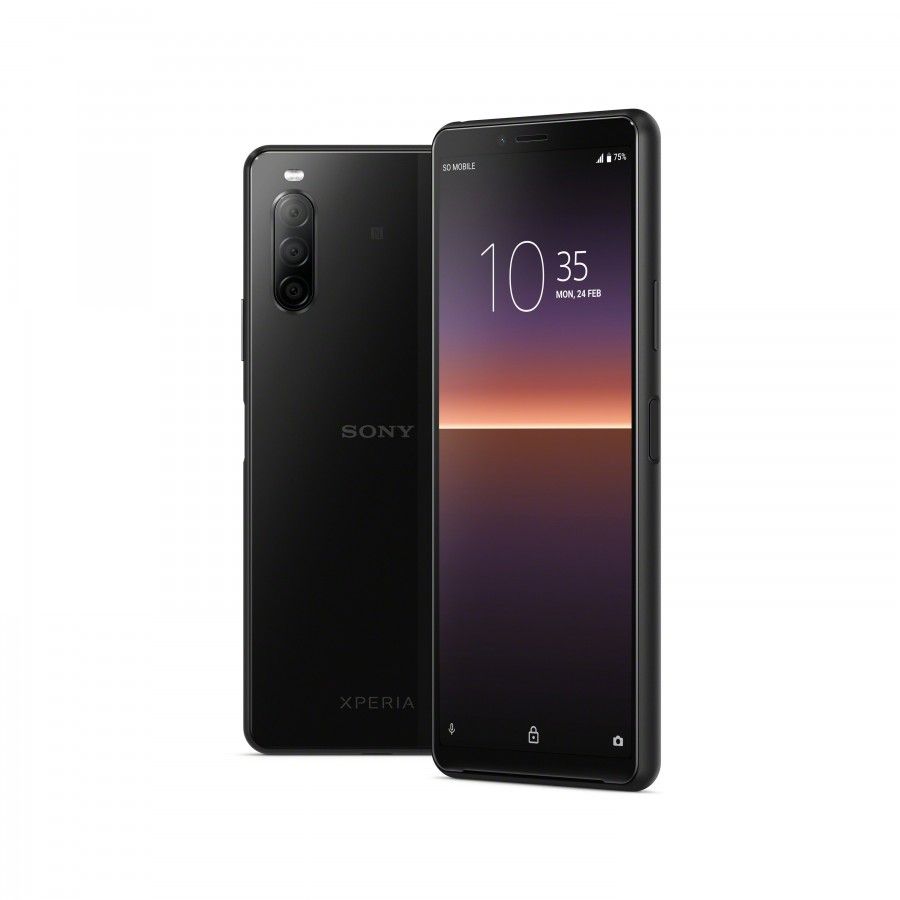
The Xperia 1 II’s external hardware design looks similar to its predecessor. It has IP68 water resistance. The only major difference is that the rear cameras have been moved to from the center to the top left of the phone. On the front, Sony continues not to use a display hole or any sort of notch by going with a minimal top bezel. The 21:9 display aspect ratio means the phone is much narrower than its 6.5-inch diagonal makes it seem.

To move on to the surprising aspects, the Xperia 1 II comes in a 5G variant with sub-6GHz connectivity, skipping out on mmWave. This is identical to what Samsung did with the regular Galaxy S20. The 5G bands supported are surprisingly meager, and U.S. 5G frequencies aren’t supported. A big omission is that the Xperia 1 II won’t support 5G connectivity (even sub-6GHz) in the U.S. It will be available only in a 4G variant. The phone still has the Qualcomm Snapdragon X55 discrete 5G modem paired with the Snapdragon 865, which means that Sony, like iQOO, is disabling the 5G RF system of the modem. However, this decision makes absolutely no sense for the U.S. market.

The Xperia 1 II’s 6.5-inch 4K OLED display may seem identical to its predecessor. However, it has “Motion Blur Reduction,” which Sony says makes it equivalent to a 90Hz refresh rate. This means either it doesn’t have a 90Hz refresh rate and it’s using a proprietary technology, or it does have a 90Hz refresh rate that is being interpolated from 60Hz. Sony didn’t explain the details of this technology. It should also be mentioned that a 4K display has negligible viewing impact on visual acuity, but it will have a significant power cost.

The Xperia 1 II comes in only a single storage variant: 8GB of RAM with 256GB of storage. Sony also retains the hybrid SIM slots (dual SIM or single SIM + microSD). In terms of biometrics, the phone has a side-mounted fingerprint sensor, just like its predecessor.

In terms of cameras, the Xperia 1 II has a unique camera setup. Its primary sensor is the 12MP IMX555, which is also used in the Galaxy S20 and the Galaxy S20+. This means it has a big pixel size of 1.8-micron. For a telephoto, it uses a 12MP with 70mm focal length for 3x optical zoom. The ultra-wide angle camera’s capabilities have been upgraded, as the sensor is much bigger now. Both the standard and ultra-wide angle sensors support Dual Pixel Autofocus for 70% coverage of the frame. Sony is also promoting innovations of up to 20fps burst shooting, eye detection, and up to 60 times AF/AE evaluation, features that are said to be firsts for smartphones. The phone is no slouch for video, too: it can record 4K HDR video at up to 60fps. There is hybrid EIS and OIS, along with 5-axis stabilization. The front camera has a small and relatively pedestrian 8MP sensor.
Sony has increased the battery capacity of the Xperia 1 II from 3,300mAh in its predecessor to 4,000mAh. Charging capabilities remain at a conservative and disappointing 18W with USB-C PD, but Sony did manage to add Qi wireless charging. The speed of that wasn’t specified.

The Xperia 1 II adds the 3.5mm headphone jack to Sony’s flagship Xperia series for the first time since 2017’s Xperia XZ1. This is a very welcome move. The headphone jack supports Hi-Res audio (24-bit/192kHz). LDAC support for Bluetooth audio is included, and there are true front-facing stereo speakers. Sony has also retained the Dynamic Vibration system.

In terms of connectivity, the Xperia 1 II supports video out through DisplayPort and USB-C to HDMI. It also has Wi-Fi 6 support, as expected.

The Xperia 1 II’s price in Europe is very high at €1,199 for the 5G variant that supports sub-6GHz networks. The U.S price tag for the 4G variant hasn’t been confirmed yet. It will be available in Black and Purple colors, and will ship from late Spring 2020. A few promotional videos for the phone can be watched here.

Sony Xperia 10 II

Sony Xperia 10 II

The Xperia 10 II is a relatively standard Sony mid-range phone. It uses the budget Qualcomm Snapdragon 665 SoC, which is uninspiring at a time when the Qualcomm Snapdragon 730, Snapdragon 675, and MediaTek Helio G90T SoCs have already been launched in the market.

The Xperia 10 II keeps the 21:9 aspect ratio but reduces the screen diagonal to 6-inch. This means it’s a very narrow phone with narrow display width. The display resolution is Full HD+, and it’s an OLED display. The single RAM and storage option is 4GB/128GB. The triple rear cameras are 12MP + 8MP + 8MP for the standard, ultra-wide angle, and telephoto cameras respectively. It has IP65/IP68 water and dust resistance, a rare feature in the mid-range market. A 3,600mAh battery with Quick Charge 3.0 support rounds out the hardware.

The phone will come in Black and White colors. Pricing wasn’t detailed yet. It will go on sale in “several markets” from Spring 2020.

Sony Xperia Pro 5G

Sony Xperia Pro Sony Xperia Pro

The Xperia Pro is a 5G phone that packs in support for both mmWave and sub-6GHz. It’s intended for professional photographers. The internal hardware of the phone is the same as that of the Xperia 1 II. However, it has a much more durable design resembling Sony’s Alpha cameras.

The Xperia Pro 5G also has a full-size HDMI port, which makes it unique in 2020’s smartphone market. Photographers can directly connect their camera gear to the phone, allowing the display to be used as a monitor.

Unfortunately, Sony didn’t go into more details regarding how the HDMI port works. The pricing and availability details also weren’t detailed as the phone was only teased. We expect to learn more in the coming weeks, but it’s fair to expect it to be priced outrageously high in keeping with Sony’s tradition.


Let us know your thoughts regarding Sony’s new smartphone launches in the comments below.


Source: Sony (1), Sony (2)

The post Sony launches the Xperia 1 II and Xperia 10 II with 21:9 displays, triple rear cameras, and 3.5mm headphone jacks appeared first on xda-developers.


from xda-developers https://ift.tt/2Vo3iBk
via IFTTT

Realme X50 Pro launches with the Snapdragon 865, 65W SuperDART charging, 90Hz display, and more

Realme is growing rapidly and within two years of spinning out of OPPO as an individual brand, the company has not only captured a big share of India’s smartphone market but also in other parts of Southeast Asia and Europe. Fourth biggest brand by the volume of shipments in India, Realme is also the seventh-largest brand in the world. While it started its journey with mid-range devices for price-conscious consumers, Realme entered the flagship segment with the launch of Realme X2 Pro (our review) in October 2019. Less than six months later, Realme is announcing its next flagship – Realme X50 Pro, which rocks a Snapdragon 865 chipset, a 90Hz AMOLED display, and whopping 65W fast charging.

The Realme X50 Pro feels like the Realme X2 Pro successor in the true sense, although the direct jump from 2 to 50 doesn’t add up. The Realme X50 Pro comes with 5G connectivity, thanks to the Snapdragon 865. While it’s not the first 5G phone from the company – since they already launched the Realme X50 5G with Snapdragon 765G in January – it is going to be the first 5G phone from Realme to launch in India. It may or may not be India’s first commercially available 5G smartphone since Vivo’s spin-off brand, iQOO, is also launching a 5G-enabled phone – the iQOO 3 – in India tomorrow. Besides the flagship chipset, the Realme X50 Pro also gets up to 12GB of LPDDR5 RAM and 256GB of UFS 3.0 storage.

The smartphone features a 6.44-inch Super AMOLED display with a pill-shaped hole punch for dual selfie cameras. The primary selfie camera has a resolution of 32MP while the secondary camera is an 8MP wide-angle camera with a 105º FOV. On the back, there are four cameras with a 64MP Samsung ISOCELL Bright GW1 sensor for the primary camera. The other cameras include an 8MP wide-angle camera with 119º FOV, a 13MP telephoto camera with 2x optical and up to 20x hybrid zoom, and lastly, a monochrome sensor for more accurate portraits.

One of the key features of the Realme X50 Pro is the superfast 65W charging technology which Realme is calling “SuperDART charging.” OPPO had already introduced the technology with the Reno Ace. Not only does the Realme X50 Pro support super-fast charging, but it also comes with a 65W charger within the box.

The phone is 5G-ready and Realme boasts of eight antennas inside the phone to facilitate 5G connectivity. The supported 5G bands along with regions are listed in the specs table below.

The Realme X50 Pro comes with a 3D AG frosted glass back and will be available in Moss Green and Rust Red color variants. Software-wise, it runs Realme UI, which has been forked out of ColorOS 7.

Realme Link App

realme link app

Realme has announced the Realme Link app which can be used as a control hub for all connected enhancements such as earphones like the Realme Buds Air TWS (review). With the graphic, Realme also teased two upcoming truly wireless earphones – Realme Buds Air Pro and Realme Air Sport True Wireless.

Realme has also announced its plans to launch many smart and IoT devices in 2020. The list includes ANC wireless headsets, smart bands and smartwatches, and even a smart TV.

Price & Availability

While the launch event took place in India, it was originally supposed to be unveiled at MWC 2020. But since the trade show got canceled, Realme also hosted a launch event for Europe simultaneously via a live stream. Thus, unlike the Realme X2 Pro, Indians will not have to wait extra to buy the phone.

The prices for the different variants of Realme X50 Pro in India are:

  • 6GB + 64GB – ₹37,999 (~$527)
  • 8GB + 128GB – ₹39,999 (~$555)
  • 12GB + 256GB – ₹44,999 (~$624)

The Realme X50 Pro will be available in India via Flipkart and realme.com starting today i.e. February 24th, 6PM IST.

Realme X50 Pro 5G Specifications

Specifications Realme X50 Pro 5G
Processor Qualcomm Snapdragon 865 5G
  • CPU:7nm EUV, Octa-core, Up to 2.84GHz
  • GPU:Adreno 650
  • AIE:5th Generation Qualcomm AI Engine
Storage & RAM
  • RAM:6GB/8GB/12GB LPDDR5 Quad-channel
  • ROM:128GB/256GB UFS 3.0+Turbo write+HPB
Display
  • 90Hz Ultra Smooth Display
  • 16.4cm (6.44”) Fullscreen
  • Resolution:2400×1080 FHD+
  • Screen-to-body ratio:92%
  • Corning Gorilla Glass 5
Charging & Battery
  • 65W SuperDart Charge
  • 4200mAh
  • Includes a 10V/6.5A charger & cable
  • USB Type-C port
Camera Rear Cameras
  • 64MP Ultra high-resolution wide-angle camera
    • 26mm, FOV 78.6°, f/1.8, 6P lens
    • Samsung GW1, 1/1.72”
  • 8MP Ultra wide-angle & macro camera
    • 15.7mm, FOV 119°, f/2.3, 5P lens, 3cm focus
  • 12MP Telephoto camera
    • 54.08mm, f/2.5, 5P lens
  • 2MP B&W Portrait Camera
    • FOV 88.8°, f/2.4
  • Photography function:
    • Portrait Distortion Correction, Hyper Text, Ultra 64MP Mode, Ultra NightScape, Super NightScape, Panoramic view, Expert mode, Timelapse, Portrait mode, HDR, Ultra wide mode, Ultra macro mode, AI scene recognition, AI Beauty, Filter, Chroma Boost, Slow Motion, Bokeh Effect Control.
  • Video recording:
    • Support UIS Video Stabilization
    • Support UIS Max Video Stabilization
    • Support Ultra Wide-angle Video
    • Support Real-time Bokeh Effect Video
    • Support 4K/30fps video recording
    • Support 1080P/30fps, 60fps video recording
    • Support 720P/30fps, 60fps video recording

Dual In-display Selfie cameras

  • Sony 32MP wide-angle camera
    • FOV 80.4°, f/2.5, 5P lens
    • Sony IMX 616
  • 8MP ultra-wide-angle camera
    • FOV 105°, f/2.2, 5P lens
  • Photography function:
    • Portrait Mode, Timelapse, Panoramic view, AI Beauty, HDR, Face-Recognition, Filter, Portrait NightScape, Bokeh Effect Control
  • Video recording:
    • Support UIS Video Stabilization
    • Support UIS Max Video Stabilization
    • Support Slomo Selfie
    • Support Ultra Wide-angle Video
    • Support Real-time Bokeh Effect Video
    • Support 1080P/30fps video recording
    • Support 720P/30fps video recording
Cellular & Wireless 5G Network
  • UK, France, Italy, Spain, Australia, Taiwan, Thailand, Malaysia, Singapore, United Arab Emirates, Saudi Arabia
    • 5G NR: n77/78/38/40/41/1/3/5/7/28
    • FDD
    • LTE: B1/2/3/4/5/7/8/12/17/18/19/20/26/28/32/66
    • TD-LTE: B38/39/40/41/42
    • WCDMA: B1/2/4/5/6/8/19
    • GSM: 850/900/1800/1900
  • India
    • NSA: n78/n41 (2515-2675MHz)/n79
    • SA: n78/n41 (2515-2675MHz)/n79
    • FDD-LTE: B1/2/3/4/5/7/8/12/17/20
    • TD-LTE: B34/38/39/40/41(2515-2675MHz)
    • WCDMA: B1/2/4/5/6/8/19
    • GSM: 850/900/1800/1900
  • Wi-Fi
    • 2.4/5GHz
    • 802.11 a/b/g/n/ac/ax
    • Wi-Fi 6 supported
  • Bluetooth 5.1
Navigation
  • Dual Frequency GPS
  • GPS/AGPS/Glonass/Beidou
Audio
  • Dual Speaker
  • Superlinear speaker
  • Double mic noise suppression
  • Dolby Atmos
  • Hi-Res Audio
Size & Weight
  • Height: 158.96mm
  • Width: 74.24mm
  • Depth: 9.36mm
  • Weight≈207g
Sensors
  • Magnetic induction sensor
  • Light sensor
  • Proximity sensor
  • Gyro-meter
  • Acceleration sensor
Operating System
  • Realme UI
  • Based on Android 10
Box Contents
  • Realme X50 Pro
  • 65W SuperDart Charger
  • USB Type-C Cable
  • Protect Case
  • Protect Film
  • SIM Card Tool
  • Important Info Booklet with Warranty Card

The post Realme X50 Pro launches with the Snapdragon 865, 65W SuperDART charging, 90Hz display, and more appeared first on xda-developers.


from xda-developers https://ift.tt/32lT5H5
via IFTTT

Realme X50 Pro launches with the Snapdragon 865, 65W SuperDART charging, 90Hz display, and more

Realme is growing rapidly and within two years of spinning out of OPPO as an individual brand, the company has not only captured a big share of India’s smartphone market but also in other parts of Southeast Asia and Europe. Fourth biggest brand by the volume of shipments in India, Realme is also the seventh-largest brand in the world. While it started its journey with mid-range devices for price-conscious consumers, Realme entered the flagship segment with the launch of Realme X2 Pro (our review) in October 2019. Less than six months later, Realme is announcing its next flagship – Realme X50 Pro, which rocks a Snapdragon 865 chipset, a 90Hz AMOLED display, and whopping 65W fast charging.

The Realme X50 Pro feels like the Realme X2 Pro successor in the true sense, although the direct jump from 2 to 50 doesn’t add up. The Realme X50 Pro comes with 5G connectivity, thanks to the Snapdragon 865. While it’s not the first 5G phone from the company – since they already launched the Realme X50 5G with Snapdragon 765G in January – it is going to be the first 5G phone from Realme to launch in India. It may or may not be India’s first commercially available 5G smartphone since Vivo’s spin-off brand, iQOO, is also launching a 5G-enabled phone – the iQOO 3 – in India tomorrow. Besides the flagship chipset, the Realme X50 Pro also gets up to 12GB of LPDDR5 RAM and 256GB of UFS 3.0 storage.

The smartphone features a 6.44-inch Super AMOLED display with a pill-shaped hole punch for dual selfie cameras. The primary selfie camera has a resolution of 32MP while the secondary camera is an 8MP wide-angle camera with a 105º FOV. On the back, there are four cameras with a 64MP Samsung ISOCELL Bright GW1 sensor for the primary camera. The other cameras include an 8MP wide-angle camera with 119º FOV, a 13MP telephoto camera with 2x optical and up to 20x hybrid zoom, and lastly, a monochrome sensor for more accurate portraits.

One of the key features of the Realme X50 Pro is the superfast 65W charging technology which Realme is calling “SuperDART charging.” OPPO had already introduced the technology with the Reno Ace. Not only does the Realme X50 Pro support super-fast charging, but it also comes with a 65W charger within the box.

The phone is 5G-ready and Realme boasts of eight antennas inside the phone to facilitate 5G connectivity. The supported 5G bands along with regions are listed in the specs table below.

The Realme X50 Pro comes with a 3D AG frosted glass back and will be available in Moss Green and Rust Red color variants. Software-wise, it runs Realme UI, which has been forked out of ColorOS 7.

Realme Link App

realme link app

Realme has announced the Realme Link app which can be used as a control hub for all connected enhancements such as earphones like the Realme Buds Air TWS (review). With the graphic, Realme also teased two upcoming truly wireless earphones – Realme Buds Air Pro and Realme Air Sport True Wireless.

Realme has also announced its plans to launch many smart and IoT devices in 2020. The list includes ANC wireless headsets, smart bands and smartwatches, and even a smart TV.

Price & Availability

While the launch event took place in India, it was originally supposed to be unveiled at MWC 2020. But since the trade show got canceled, Realme also hosted a launch event for Europe simultaneously via a live stream. Thus, unlike the Realme X2 Pro, Indians will not have to wait extra to buy the phone.

The prices for the different variants of Realme X50 Pro in India are:

  • 6GB + 64GB – ₹37,999 (~$527)
  • 8GB + 128GB – ₹39,999 (~$555)
  • 12GB + 256GB – ₹44,999 (~$624)

The Realme X50 Pro will be available in India via Flipkart and realme.com starting today i.e. February 24th, 6PM IST.

Realme X50 Pro 5G Specifications

Specifications Realme X50 Pro 5G
Processor Qualcomm Snapdragon 865 5G
  • CPU:7nm EUV, Octa-core, Up to 2.84GHz
  • GPU:Adreno 650
  • AIE:5th Generation Qualcomm AI Engine
Storage & RAM
  • RAM:6GB/8GB/12GB LPDDR5 Quad-channel
  • ROM:128GB/256GB UFS 3.0+Turbo write+HPB
Display
  • 90Hz Ultra Smooth Display
  • 16.4cm (6.44”) Fullscreen
  • Resolution:2400×1080 FHD+
  • Screen-to-body ratio:92%
  • Corning Gorilla Glass 5
Charging & Battery
  • 65W SuperDart Charge
  • 4200mAh
  • Includes a 10V/6.5A charger & cable
  • USB Type-C port
Camera Rear Cameras
  • 64MP Ultra high-resolution wide-angle camera
    • 26mm, FOV 78.6°, f/1.8, 6P lens
    • Samsung GW1, 1/1.72”
  • 8MP Ultra wide-angle & macro camera
    • 15.7mm, FOV 119°, f/2.3, 5P lens, 3cm focus
  • 12MP Telephoto camera
    • 54.08mm, f/2.5, 5P lens
  • 2MP B&W Portrait Camera
    • FOV 88.8°, f/2.4
  • Photography function:
    • Portrait Distortion Correction, Hyper Text, Ultra 64MP Mode, Ultra NightScape, Super NightScape, Panoramic view, Expert mode, Timelapse, Portrait mode, HDR, Ultra wide mode, Ultra macro mode, AI scene recognition, AI Beauty, Filter, Chroma Boost, Slow Motion, Bokeh Effect Control.
  • Video recording:
    • Support UIS Video Stabilization
    • Support UIS Max Video Stabilization
    • Support Ultra Wide-angle Video
    • Support Real-time Bokeh Effect Video
    • Support 4K/30fps video recording
    • Support 1080P/30fps, 60fps video recording
    • Support 720P/30fps, 60fps video recording

Dual In-display Selfie cameras

  • Sony 32MP wide-angle camera
    • FOV 80.4°, f/2.5, 5P lens
    • Sony IMX 616
  • 8MP ultra-wide-angle camera
    • FOV 105°, f/2.2, 5P lens
  • Photography function:
    • Portrait Mode, Timelapse, Panoramic view, AI Beauty, HDR, Face-Recognition, Filter, Portrait NightScape, Bokeh Effect Control
  • Video recording:
    • Support UIS Video Stabilization
    • Support UIS Max Video Stabilization
    • Support Slomo Selfie
    • Support Ultra Wide-angle Video
    • Support Real-time Bokeh Effect Video
    • Support 1080P/30fps video recording
    • Support 720P/30fps video recording
Cellular & Wireless 5G Network
  • UK, France, Italy, Spain, Australia, Taiwan, Thailand, Malaysia, Singapore, United Arab Emirates, Saudi Arabia
    • 5G NR: n77/78/38/40/41/1/3/5/7/28
    • FDD
    • LTE: B1/2/3/4/5/7/8/12/17/18/19/20/26/28/32/66
    • TD-LTE: B38/39/40/41/42
    • WCDMA: B1/2/4/5/6/8/19
    • GSM: 850/900/1800/1900
  • India
    • NSA: n78/n41 (2515-2675MHz)/n79
    • SA: n78/n41 (2515-2675MHz)/n79
    • FDD-LTE: B1/2/3/4/5/7/8/12/17/20
    • TD-LTE: B34/38/39/40/41(2515-2675MHz)
    • WCDMA: B1/2/4/5/6/8/19
    • GSM: 850/900/1800/1900
  • Wi-Fi
    • 2.4/5GHz
    • 802.11 a/b/g/n/ac/ax
    • Wi-Fi 6 supported
  • Bluetooth 5.1
Navigation
  • Dual Frequency GPS
  • GPS/AGPS/Glonass/Beidou
Audio
  • Dual Speaker
  • Superlinear speaker
  • Double mic noise suppression
  • Dolby Atmos
  • Hi-Res Audio
Size & Weight
  • Height: 158.96mm
  • Width: 74.24mm
  • Depth: 9.36mm
  • Weight≈207g
Sensors
  • Magnetic induction sensor
  • Light sensor
  • Proximity sensor
  • Gyro-meter
  • Acceleration sensor
Operating System
  • Realme UI
  • Based on Android 10
Box Contents
  • Realme X50 Pro
  • 65W SuperDart Charger
  • USB Type-C Cable
  • Protect Case
  • Protect Film
  • SIM Card Tool
  • Important Info Booklet with Warranty Card

The post Realme X50 Pro launches with the Snapdragon 865, 65W SuperDART charging, 90Hz display, and more appeared first on xda-developers.


from xda-developers https://ift.tt/32lT5H5
via IFTTT