LightBlog

vendredi 7 février 2020

Moto G Power and Moto G Stylus officially announced with the Snapdragon 665 and Android 10

The Moto G Power (previously referred to as the “Moto G8 Power“) and Moto G Stylus have been popping up in headlines for a while now. Just yesterday, the Amazon listing revealed everything about the Moto G Power. The Moto G Stylus has been a little more mysterious, but we knew what to expect. Today, Motorola has officially announced both devices.

Moto G Power XDA Forums ||| Moto G Stylus XDA Forums

  Moto G Power Moto G Stylus
Size 159.85 x 75.84 x 9.63mm, 199g 158.55 x 75.8 x 9.2mm, 192g
SoC Snapdragon 665 Snapdragon 665
RAM 4GB 4GB
Storage 64GB 128GB
Display 6.4-inch, FHD+, LCD, hole-punch 6.4-inch, FHD+, LCD, hole-punch
Rear Cameras
  • 16MP (f/1.7, 1.12μm)
  • 2MP (f/2.2, 1.75μm) macro
  • 8MP (f/2.2, 1.12μm) 118° ultra-wide angle
  • 48MP (f/1.7, 1.6μm)
  • 2MP (f/2.2, 1.75μm) macro
  • Action Cam 16MP (f/2.2, 2.0μm, 117-degrees FOV)
Front Camera
  • 16MP (f/2.0, 1μ)
  • 16MP (f/2.0, 1μ)
Battery 5,000 mAh 4,000 mAh
Ports USB-C, Headphone jack USB-C, Headphone jack
Software Android 10 Android 10

Similarities

Moto G Power

If you’ve been following the leaks, you know the Moto G Power and Moto G Stylus look a lot alike. They share the same basic design, which features 6.4-inch FHD+ displays, left-aligned punch-hole, minimal bezels, plastic back covers, and matching camera modules. At a glance, the devices are essentially identical.

They have a lot in common in terms of specifications as well. Both the Moto G Power and Moto G Stylus are rocking the Qualcomm Snapdragon 665 SoC with 4GB of RAM and 64/128GB of storage. Some of the other shared specifications include USB-C 10W charging, headphone jacks, stereo speakers, fingerprint scanners, and Android 10.

Speaking of Android 10, Motorola has included some new software with these devices. Moto Gametime is a basic customization suite for adjusting notifications and power settings while gaming.

Differences
Moto G Power

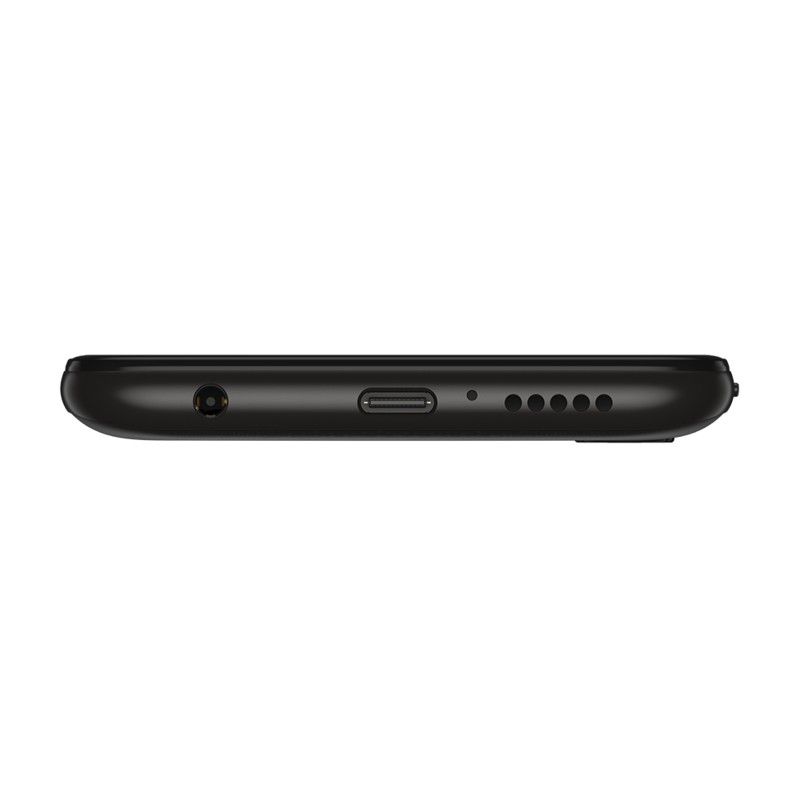
While the Moto G Power and Moto G Stylus have a surprising amount in common, there are some key differences. First and foremost, the Moto G Stylus has, well, a stylus. The stylus is housed in the bottom edge and it’s very thin. This is not a fancy Bluetooth stylus like you can find in the latest Galaxy Note. It’s capacitive, which means no pressure sensitivity. Motorola has included some basic note-taking software to go with it. These are mid-range devices and you’re getting a mid-range stylus experience.
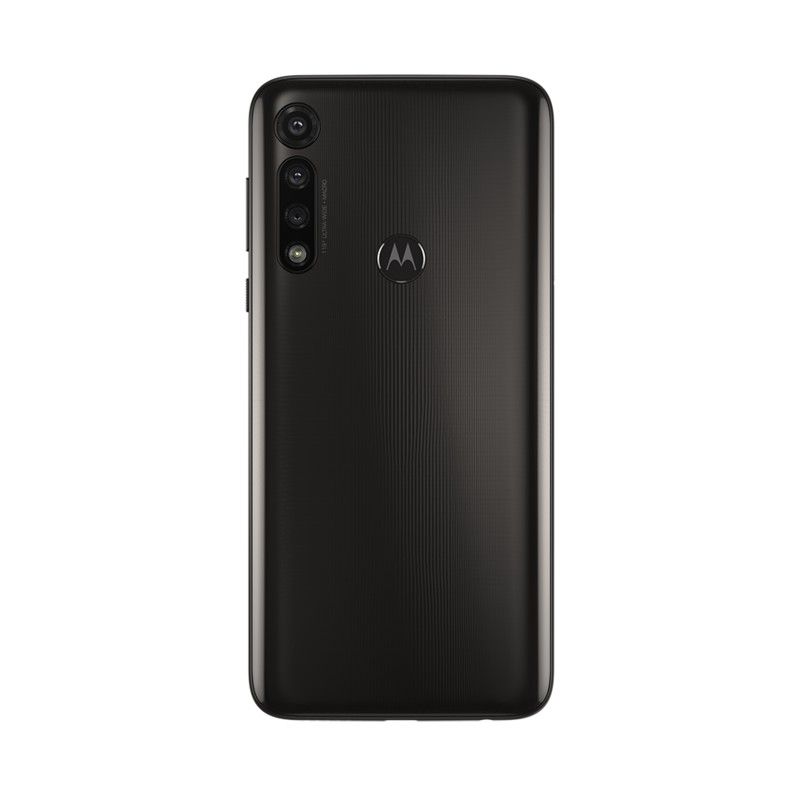
Moto G Power

While the Moto G Power and Moto G Stylus appear to have the same camera setup, there are quite a few differences. Both have triple cameras, but they do very different things. The Power has a 16MP main camera, 2MP macro, and 8MP wide-angle. The Stylus has a 48MP main camera, 2MP macro, and 16MP “Action Cam.”

As you might expect by the name, the Moto G Power is packing a beefy 5,000 mAh battery. Motorola claims you can get up to 3 days of use before needing to plug in. The Moto G Stylus has a smaller, but still respectable, 4,000 mAh battery.

Pricing & Availability

Moto G Power

The Moto G Power and Moto Gy Stylus will be available unlocked in the US this Spring from Best Buy, B&H Photo, Walmart, and Amazon. They will eventually be available from Verizon, US Cellular, Consumer Cellular, Republic Wireless, and Xfinity Mobile as well. The Power costs $249.99 and the Stylus costs $299.99.

In Canada, the Power will be available at Videotron and at all Freedom Mobile locations, while the Stylus will only be at Videotron.


Source: Motorola

The post Moto G Power and Moto G Stylus officially announced with the Snapdragon 665 and Android 10 appeared first on xda-developers.


from xda-developers https://ift.tt/3bgFfdg
via IFTTT

The EU has opened an antitrust investigation into Qualcomm for its radio-frequency chips

Qualcomm is a major company in the Android smartphone market. Not only does the company design the SoCs that make their way in flagship, mid-range, and budget smartphones, but it also designs and sells modem chips, which make it possible for smartphones to connect to wireless cellular data networks. It’s been noted before that Qualcomm earns the majority of its revenue not from selling smartphone system-on-chips (SoCs), but from patent licensing. Qualcomm is heavily involved in the cellular world; to a large extent, it was responsible for developing the CDMA2000 standard (it has much lesser clout in 3G WCDMA), and it also has patents in 4G LTE. It wants to be just as heavily involved as the industry moves to 5G. The trouble here is that Qualcomm’s practices are consistently anti-competitive, which is why the company has been battling with China, Taiwan, South Korea, the European Commission, and has lost a case to the US FTC, before winning an appeal. Separately, it fought a years-long case with Apple before reaching a settlement. Now, the EU has opened another investigation into Qualcomm, this time for its front-end radio-frequency (RFFE) chips.

This news comes after Qualcomm’s Q1 2020 financial report. It reported a 13% fall in profits but still managed to exceed analysts’ expectations. It also reported in a regulatory filing, however, that it’s under investigation by the European Commission to ascertain whether it engaged in anti-competitive behavior by leveraging its market position in 5G modem chips in the radio frequency chip market. The Commission has now confirmed to TechCrunch that it is investigating Qualcomm.

Radio frequency front-end (RFFE) chips

Qualcomm has spent years battling regulators and has paid billions of dollars in fines over allegations of anti-competitive patent licensing. As noted in the first paragraph, it lost a case to the FTC over this issue, and is currently appealing. This present issue is related to RFFE (radio frequency front-end) chips. Qualcomm supplies modem chips, also known as baseband processors, to device makers. The Snapdragon X55 discrete modem is an example. It’s meant to be paired with the Qualcomm Snapdragon 865, which has no integrated modem.

On the other hand, the radio frequency front end chips are different. In simple terms, they are the link between the modem and the phone. Qualcomm’s website states that they consist of power amplifer modules, power trackers, diversity receive module, antenna tuning solutions, low noise amplifier, filter products, the RF switch and switch module, and more. These chips have become more complex in 5G phones as it’s more difficult to design a 5G phone, particularly if a device maker wants to incorporate millimeter wave 5G. The QTM525 and its predecessor QTM052 mmWave antenna modules are also an example of RFFE chips. These chips have been used in Snapdragon-powered mmWave 5G phones, such as the Samsung Galaxy S10 5G and the Samsung Galaxy Note 10+ 5G. In mmWave, Qualcomm is the dominant player so far, as vendors such as Huawei’s HiSilicon and MediaTek haven’t released modems with mmWave yet. Samsung is the only other major vendor selling modems with mmWave 5G support.

The issue is that Qualcomm has been trying to persuade phone makers to buy RFFE chips together with its own modem chips, instead of selecting parts from separate vendors and integrating them. This is an anti-competitive move, designed to increase barriers to competition and make Qualcomm’s standing dominant in the 5G market.

The other major suppliers of RF chips are Broadcom, Skyworks, and Qorvo. (It’s worth noting that the Huawei Mate 30 series uses 5G RF chips from non-US suppliers to avoid violating the trade ban.)

The implications of the investigation

Qualcomm has itself said that revenue from the radio frequency market contributed to a sales forecast that beat analyst expectations. It has won radio frequency chip contracts with Samsung, Google, and LG, among others. In the regulatory filing, it said it was in the process of responding to the European Commission’s probe. According to the company, the Commission could impose a fine of up to 10% of its annual revenue if a violation was found. In itself, that’s actually not a big deal. Qualcomm has been fined twice by the Commission in the past. In July 2019, it was fined €242 million, while in July 2018, it received a €997 million fine. Again, it’s locked in appeals over both decisions.

The big change would come if the European Commission’s actions force Qualcomm to change its behavior. Qualcomm has been promoting its modem-RF system for the Snapdragon X55, which will be used by over 30 device makers. If the Commission ruled that Qualcomm has to separate its modem and RFFE chips and not sell them bundled, for example, then the logical conclusion was that it would be device makers who would have to pay up the extra cash as the two necessary components wouldn’t be bundled together. Samsung Systems LSI’s Exynos chips aren’t a proper substitute because the latest flagship chips are only used by the company’s mobile division. HiSilicon only makes phones for Huawei phones, while MediaTek is primarily known for operating in the low-end and mid-range segments, instead of the flagship segment of the smartphone market. MediaTek wants to change this, and things can change. Up until now, though, there have been no good alternatives to Qualcomm.

It should be equally clear that device makers will quickly pass on the additional cost to the end consumers, who have been dealing with the skyrocketing increase in flagship smartphone pricing. 5G phones are already extremely expensive. The Galaxy S20 Ultra 5G, for example, is rumored to cost $1,300+ in the US. The cheapest 5G phone by a well-known device maker in China costs the equivalent of $360. Antitrust regulators have to do their job, and ultimately, if the facts are proved, Qualcomm will have to change its behavior. We will continue to keep our eyes on developments in this space.


Source: Reuters

The post The EU has opened an antitrust investigation into Qualcomm for its radio-frequency chips appeared first on xda-developers.


from xda-developers https://ift.tt/2OAw9y9
via IFTTT

The EU has opened an antitrust investigation into Qualcomm for its radio-frequency chips

Qualcomm is a major company in the Android smartphone market. Not only does the company design the SoCs that make their way in flagship, mid-range, and budget smartphones, but it also designs and licenses modem chips, which make it possible for smartphones to connect to wireless cellular data networks. It’s been noted before that Qualcomm earns the majority of its revenue not from selling smartphone system-on-chips (SoCs), but from patent licensing. Qualcomm is heavily involved in the cellular world; to a large extent, it was responsible for developing the CDMA2000 standard (it has much lesser clout in 3G WCDMA), and it also has patents in 4G LTE. It wants to be just as heavily involved as the industry moves to 5G. The trouble here is that Qualcomm’s practices are consistently anti-competitive, which is why the company has been battling with China, Taiwan, South Korea, the European Commission, and has lost a case to the US FTC, before winning an appeal. Separately, it fought a years-long case with Apple before reaching a settlement. Now, the EU has opened another investigation into Qualcomm, this time for its front-end radio-frequency (RFFE) chips.

This news comes after Qualcomm’s Q1 2020 financial report. It reported a 13% fall in profits but still exceeded expectations. It also reported in a regulatory filing, however, that it’s under investigation by the European Commission to ascertain whether it engaged in anti-competitive behavior by leveraging its market position in 5G modem chips in the radio frequency chip market. The Commission has now confirmed to TechCrunch that it is investigating Qualcomm.

Radio frequency front-end (RFFE) chips

Qualcomm has spent years battling regulators and has paid billions of dollars in fines over allegations of anti-competitive patent licensing. As noted in the first paragraph, it lost a case to the FTC over this issue, and is currently appealing. This present issue is related to RFFE (radio frequency front-end) chips. Qualcomm supplies modem chips, also known as baseband processors, to device makers. The Snapdragon X55 discrete modem is an example. It’s meant to be paired with the Qualcomm Snapdragon 865, which has no integrated modem.

On the other hand, the radio frequency front end chips are different. In simple terms, they are the link between the modem and the phone. Qualcomm’s website states that they consist of power amplifer modules, power trackers, diversity receive module, antenna tuning solutions, low noise amplifier, filter products, the RF switch and switch module, and more. These chips have become more complex in 5G phones as it’s more difficult to design a 5G phone, particularly if a device maker wants to incorporate millimeter wave 5G. The QTM525 and its predecessor QTM052 mmWave antenna modules are also an example of RFFE chips. These chips have been used in Snapdragon-powered mmWave 5G phones, such as the Samsung Galaxy S10 5G and the Samsung Galaxy Note 10+ 5G. In mmWave, Qualcomm is the dominant player so far, as vendors such as Huawei’s HiSilicon and MediaTek haven’t released modems with mmWave yet. Samsung is the only other major vendor selling modems with mmWave 5G support.

The issue is that Qualcomm has been trying to persuade phone makers to buy RFFE chips together with its own modem chips, instead of selecting parts from separate vendors and integrating them. This is an anti-competitive move, designed to increase barriers to competition and make Qualcomm’s standing dominant in the 5G market.

The other major suppliers of RF chips are Broadcom, Skyworks, and Qorvo. (It’s worth noting that the Huawei Mate 30 Pro uses 5G RF chips from non-US suppliers to avoid violating the trade ban.)

The implications of the investigation

Qualcomm has itself said that revenue from the radio frequency market contributed to a sales forecast that beat analyst expectations. It has won radio frequency chip contracts with Samsung, Google, and LG, among others. In the regulatory filing, it said it was in the process of responding to the European Commission’s probe. According to the company, the Commission could impose a fine of up to 10% of its annual revenue if a violation was found. In itself, that’s actually not a big deal. Qualcomm has been fined twice by the Commission in the past. In July 2019, it was fined €242 million, while in July 2018, it received a €997 million fine. Again, it’s locked in appeals over both decisions.

The big change would come if the European Commission’s actions force Qualcomm to change its behavior. Qualcomm has been promoting its modem-RF system for the Snapdragon X55, which will be used by over 30 device makers. If the Commission ruled that Qualcomm has to separate its modem and RFFE chips and not sell them bundled, for example, then the logical conclusion was that it would be device makers who would have to pay up the extra cash as the two necessary components wouldn’t be bundled together. Samsung Systems LSI’s Exynos chips aren’t a proper substitute because the latest flagship chips are only used by the company’s mobile division. HiSilicon only makes phones for Huawei phones, while MediaTek is primarily known for operating in the low-end and mid-range segments, instead of the flagship segment of the smartphone market. MediaTek wants to change this, and things can change. Up until now, though, there have been no good alternatives to Qualcomm.

It should be equally clear that device makers will quickly pass on the additional cost to the end consumers, who have been dealing with the skyrocketing increase in flagship smartphone pricing. 5G phones are already extremely expensive. The Galaxy S20 Ultra 5G, for example, is rumored to cost $1,300+ in the US. The cheapest 5G phone by a well-known device maker in China costs the equivalent of $360. Antitrust regulators have to do their job, and ultimately, if the facts are proved, Qualcomm will have to change its behavior. We will continue to keep our eyes on developments in this space.


Source: Reuters

The post The EU has opened an antitrust investigation into Qualcomm for its radio-frequency chips appeared first on xda-developers.


from xda-developers https://ift.tt/2OAw9y9
via IFTTT

10 Innovative Car Gadgets to Make Your Ride More Pleasant

Whether you are stuck in traffic on a weekday morning or melting in the heat of a summer road trip, life on the road can be rough sometimes. Thankfully, there are many great gadgets that can improve your journey. Here are ten of the best, from smart dashcams to charging mounts — now with up to 80% off MSRP at the XDA Developers Depot.

FenSens Smart Wireless Solar Powered Backup Camera

This wireless camera makes parking easier by providing a live 1080p view from the rear license plate of your car. The provided frame installs in just five minutes, and a built-in solar panel powers the camera. Normally priced at $199, FenSens is now $159.

TUNAI Firefly Bluetooth Receiver

Dubbed the world’s smallest Bluetooth music receiver, Firefly lets you stream music on older car sound systems. It supports both AAC and MP3 codecs, and the device can auto-pair with up to eight phones, tablets, and music players. Worth $34.99, it is now 14% off at $29.99.

Smart Touch Auto-Clamping Wireless Car Charger

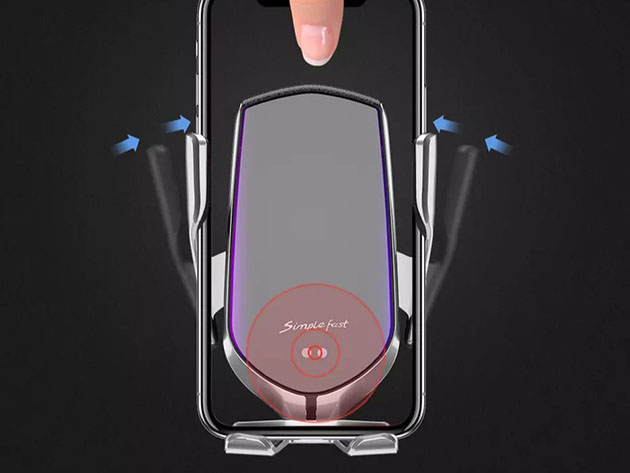
This wireless charger has soft silicone grips that automatically clamp shut around your phone. It works with any Qi-compatible device up to 6.5 inches wide, and the mount rotates for easier GPS viewing. The charger is currently $10 off MSRP at $50

myGEKOgear Orbit 530 1296p Wi-Fi Dashcam

With a 150-degree lens and night vision technology, the Orbit 530 dashcam captures everything that happens on the road. The 1269p resolution allows you to see license plate numbers, and Wi-Fi helps you transfer the footage. Worth $149.99, the camera is now $109.99.

Black Box 1080p Dash Cam

Thanks to a built-in G-sensor, this smart dashcam can start recording during a collision. It captures full 1080p HD footage, even at night, and the compact design keeps your line of sight clear. Originally priced at $149.95, Black Box is now only $29.99.

Spinning Car Aromatherapy Diffuser

This small device serves two purposes: air freshener and fidget toy. Spinning the double-ring helps to relieve anxiety and spread freshness through your car. It works with five optional scents. Normally $15.99, the diffuser is now $12.99.

KOBRA Wireless Car Scanner

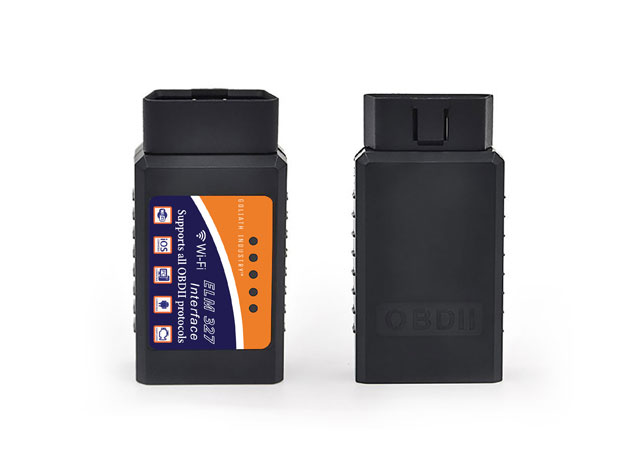
Compatible with all cars made since 1996, this device grabs live diagnostics from under the hood. KOBRA can handle 3,000 fault codes, giving you an instant heads-up via your smartphone. Usually priced at $49.99, the car scanner is now only $14.99.

ExoMount Universal Smartphone Car Mount

This sturdy car mount sticks to virtually any dash thanks to a super-strong suction cup. You can then rotate your phone through 360 degrees to find the ideal angle. Worth $29.95, the ExoMount is now only $22.95.

Brush Hero®: Deluxe Set

Need to clean your car? Brush Hero attaches to any regular hose and spins to remove tough dirt. The slow rotations offer good torque, and there are two types of brush heads to pick from. You can get the Deluxe Set now for $49.99.

Kelvin.7 Automotive Emergency Multi-Tool

If the worst should happen, Kelvin.7 can help you get out of trouble. This multi-tool works as a seatbelt cutter, window breaker, emergency flashlight, hand-crank power generator, and USB power supply. Normally $49.99, the tool is now 20% off at $39.99.

Prices subject to change

The post 10 Innovative Car Gadgets to Make Your Ride More Pleasant appeared first on xda-developers.


from xda-developers https://ift.tt/39mv5Gp
via IFTTT

10 Innovative Car Gadgets to Make Your Ride More Pleasant

Whether you are stuck in traffic on a weekday morning or melting in the heat of a summer road trip, life on the road can be rough sometimes. Thankfully, there are many great gadgets that can improve your journey. Here are ten of the best, from smart dashcams to charging mounts — now with up to 80% off MSRP at the XDA Developers Depot.

FenSens Smart Wireless Solar Powered Backup Camera

This wireless camera makes parking easier by providing a live 1080p view from the rear license plate of your car. The provided frame installs in just five minutes, and a built-in solar panel powers the camera. Normally priced at $199, FenSens is now $159.

TUNAI Firefly Bluetooth Receiver

Dubbed the world’s smallest Bluetooth music receiver, Firefly lets you stream music on older car sound systems. It supports both AAC and MP3 codecs, and the device can auto-pair with up to eight phones, tablets, and music players. Worth $34.99, it is now 14% off at $29.99.

Smart Touch Auto-Clamping Wireless Car Charger

This wireless charger has soft silicone grips that automatically clamp shut around your phone. It works with any Qi-compatible device up to 6.5 inches wide, and the mount rotates for easier GPS viewing. The charger is currently $10 off MSRP at $50

myGEKOgear Orbit 530 1296p Wi-Fi Dashcam

With a 150-degree lens and night vision technology, the Orbit 530 dashcam captures everything that happens on the road. The 1269p resolution allows you to see license plate numbers, and Wi-Fi helps you transfer the footage. Worth $149.99, the camera is now $109.99.

Black Box 1080p Dash Cam

Thanks to a built-in G-sensor, this smart dashcam can start recording during a collision. It captures full 1080p HD footage, even at night, and the compact design keeps your line of sight clear. Originally priced at $149.95, Black Box is now only $29.99.

Spinning Car Aromatherapy Diffuser

This small device serves two purposes: air freshener and fidget toy. Spinning the double-ring helps to relieve anxiety and spread freshness through your car. It works with five optional scents. Normally $15.99, the diffuser is now $12.99.

KOBRA Wireless Car Scanner

Compatible with all cars made since 1996, this device grabs live diagnostics from under the hood. KOBRA can handle 3,000 fault codes, giving you an instant heads-up via your smartphone. Usually priced at $49.99, the car scanner is now only $14.99.

ExoMount Universal Smartphone Car Mount

This sturdy car mount sticks to virtually any dash thanks to a super-strong suction cup. You can then rotate your phone through 360 degrees to find the ideal angle. Worth $29.95, the ExoMount is now only $22.95.

Brush Hero®: Deluxe Set

Need to clean your car? Brush Hero attaches to any regular hose and spins to remove tough dirt. The slow rotations offer good torque, and there are two types of brush heads to pick from. You can get the Deluxe Set now for $49.99.

Kelvin.7 Automotive Emergency Multi-Tool

If the worst should happen, Kelvin.7 can help you get out of trouble. This multi-tool works as a seatbelt cutter, window breaker, emergency flashlight, hand-crank power generator, and USB power supply. Normally $49.99, the tool is now 20% off at $39.99.

Prices subject to change

The post 10 Innovative Car Gadgets to Make Your Ride More Pleasant appeared first on xda-developers.


from xda-developers https://ift.tt/39mv5Gp
via IFTTT

Live images and screenshots purportedly show the OPPO Find X2’s QHD+ 120Hz display

Oppo is all set to unveil its latest flagship, Oppo Find X2, at MWC this month. We first learned about the Oppo Find X2 at Oppo’s Innovation Day event late last year where the Chinese company confirmed that it would be bringing the Find series back in Q1 of 2020. The device recently got certified by Thailand’s NBTC which hinted that there could also be a Pro variant alongside the regular model. We already know the device will be powered by Qualcomm Snapdragon 865 and feature Sony’s new 2×2 On-Chip Lens Solution. Details about the other specs of the device aren’t officially confirmed but according to the well-known leaker Ice Universe, the device will sport a QHD display with 120Hz screen refresh rate and 65W fast charging support.

With the official launch just a couple of weeks away, some real-life images and screenshots of the Oppo Find X2 have surfaced on Weibo which add weight to the previous leaks. As per the live images leaked on Weibo, the Oppo Find X2 will feature a curved hole-punch display with very slim bezels all around. The leak further suggests the device will have a QHD+ panel with a 120Hz screen refresh rate, a 240Hz touch sampling rate and will also feature a dedicated display chip. 

OPPO Find X2 OPPO Find X2 Oppo Find X2

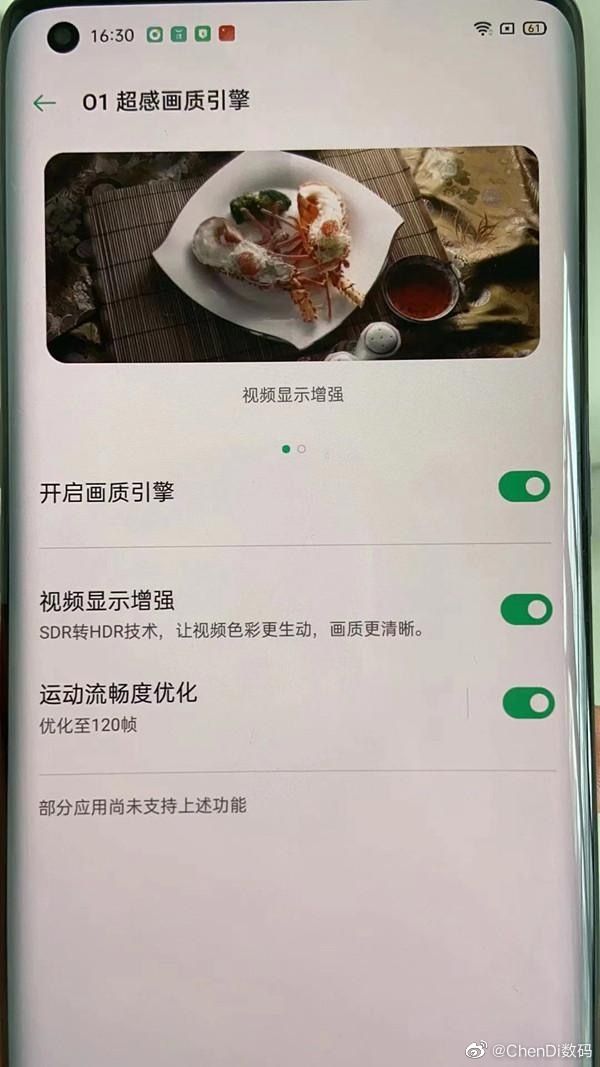
In a separate leak, a Weibo user has shared several screenshots of the display settings of the Oppo Find X2. As per the screenshots, Find X2 users will have the option to set screen resolution manually and can choose between full HD+ and QHD+.

OPPO Find X2 OPPO Find X2

The same goes for the screen refresh rate: users can manually set the refresh rate to either 60Hz or 120Hz or can select the automatic mode which dynamically changes the refresh rate depending on the content displayed on the screen. Finally, there will also be an option within the display settings which will allow users to upscale SDR content to HDR, strengthening our belief that device may come with Pixelworks’s visual processor.

Oppo is slated to launch the Find X2 on February 22 at MWC 2020 so we shouldn’t have to wait too long to learn more about the device.


Source: 1, 2, 3

The post Live images and screenshots purportedly show the OPPO Find X2’s QHD+ 120Hz display appeared first on xda-developers.


from xda-developers https://ift.tt/31GC3U0
via IFTTT

Live images and screenshots purportedly show the OPPO Find X2’s QHD+ 120Hz display

Oppo is all set to unveil its latest flagship, Oppo Find X2, at MWC this month. We first learned about the Oppo Find X2 at Oppo’s Innovation Day event late last year where the Chinese company confirmed that it would be bringing the Find series back in Q1 of 2020. The device recently got certified by Thailand’s NBTC which hinted that there could also be a Pro variant alongside the regular model. We already know the device will be powered by Qualcomm Snapdragon 865 and feature Sony’s new 2×2 On-Chip Lens Solution. Details about the other specs of the device aren’t officially confirmed but according to the well-known leaker Ice Universe, the device will sport a QHD display with 120Hz screen refresh rate and 65W fast charging support

With the official launch just a couple of weeks away, some real-life images and screenshots of the Oppo Find X2 have surfaced on Weibo which add weight to the previous leaks. As per the live images leaked on Weibo, the Oppo Find X2 will feature a curved hole-punch display with very slim bezels all around. The leak further suggests the device will have a QHD+ panel with a 120Hz screen refresh rate, a 240Hz touch sampling rate and will also feature a dedicated display chip. 

OPPO Find X2 OPPO Find X2 Oppo Find X2

In a separate leak, a Weibo user has shared several screenshots of the display settings of the Oppo Find X2. As per the screenshots, Find X2 users will have the option to set screen resolution manually and can choose between full HD+ and QHD+.

OPPO Find X2 OPPO Find X2

The same goes for the screen refresh rate: users can manually set the refresh rate to either 60Hz or 120Hz or can select the automatic mode which dynamically changes the refresh rate depending on the content displayed on the screen. Finally, there will also be an option within the display settings which will allow users to upscale SDR content to HDR, strengthening our belief that device may come with Pixelworks’s visual processor.

Oppo is slated to launch the Find X2 on February 22 at MWC 2020 so we shouldn’t have to wait too long to learn more about the device.


Source: 1, 2, 3

The post Live images and screenshots purportedly show the OPPO Find X2’s QHD+ 120Hz display appeared first on xda-developers.


from xda-developers https://ift.tt/31GC3U0
via IFTTT